 Bird Album
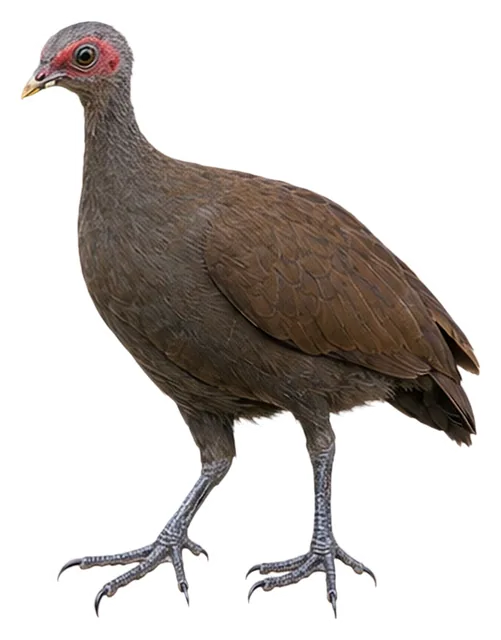
Philippine Megapode
Megapodius cumingii Dillwyn, 1853
1 kgWeight
The Philippine megapode (Megapodius cumingii), also known as the Philippine scrubfowl or the Tabon scrubfowl, is a species of bird in the family Megapodiidae.
Busiest months: July–September · Most records: Indonesia, Malaysia, Philippines
Where and when it's recorded
Busiest months: July–September · Most records: Indonesia, Malaysia, Philippines

Philippine Megapode has been recorded at 17 of the 8,276 birding hotspots we track, in 3 countries and regions.
Records by month Northern Hemisphere
Where it's recorded most
- Tangkoko Batuangus NR – Forest andIndonesia710 records
- Pulau Mantanani BesarMalaysia263 records
- Puerto Princesa Subterranean River National ParkPhilippines85 records
More places
- Sabang, Puerto PrincesaPhilippines20 records
- Dumoga-Bone (Bogani Nani Wartabone) NP – TambunIndonesia6 records
- Dumoga-Bone (Bogani Nani Wartabone) NP – TorautIndonesia5 records
- Tangkoko Batuangas NR – overlookIndonesia4 records
- Subic BayPhilippines3 records
- Lake HolonPhilippines3 records
- Sabang – Cockatoo Viewpoint, Puerto PrincesaPhilippines2 records
Countries and regions with the most records
eBird records via GBIF up to 2024-12-31. A record means someone listed it; more records partly mean more birders, not more birds.
About
The Philippine megapode (Megapodius cumingii), also known as the Philippine scrubfowl or the Tabon scrubfowl, is a species of bird in the family Megapodiidae. It is found in the Philippines, northeastern Borneo, and Sulawesi. It has a wide range of natural habitats which include tropical dry forest, tropical moist lowland forest, tropical moist montane forest and small islands.
Excerpt from Wikipedia, CC BY-SA 4.0 · authors · Read more on Wikipedia
Questions
How big is the Philippine Megapode?
The Philippine Megapode weighs around 1 kg.
Where does the Philippine Megapode live?
Its breeding range: Oriental, Australasia: Philippines, Borneo and Sulawesi. It is most often recorded in Indonesia, Malaysia and Philippines.
When is the best time to see the Philippine Megapode?
At the hotspots we track, it is recorded most in July, August and September (Northern Hemisphere).
Is the Philippine Megapode endangered?
The IUCN Red List classifies the Philippine Megapode as Least Concern.
What does the Philippine Megapode eat?
Main food: Omnivore.
What family is the Philippine Megapode in?
It belongs to the family Megapodes (Megapodiidae), order Galliformes.
At a glance
- Weight
- 1 kg
- Habitat
- Forest
- Diet
- Omnivore
- Lifestyle
- Active on the ground
- Migration
- Resident (barely migrates)
- Conservation
- Least Concern
More measurements
- Wing
- 213 mm
- Tail
- 68 mm
- Bill
- 24 mm
- Tarsus
- 63 mm
Averages from the AVONET dataset; length from field guides where available.
Range
Oriental, Australasia: Philippines, Borneo and Sulawesi
Breeding range, IOC World Bird List 15.2
Classification
- Order
- Galliformes
- Family
- Megapodes Megapodiidae
- Genus
- Megapodius
Other birds in the genus Megapodius
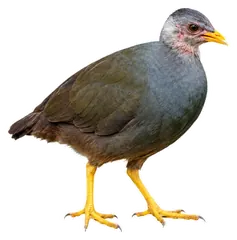 Tongan MegapodeMegapodius pritchardii
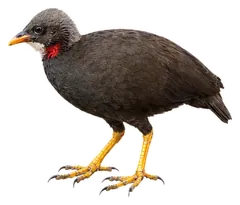 Micronesian MegapodeMegapodius laperouse
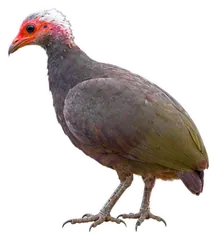 Nicobar MegapodeMegapodius nicobariensis
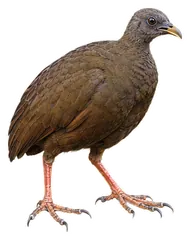 Sula MegapodeMegapodius bernsteinii
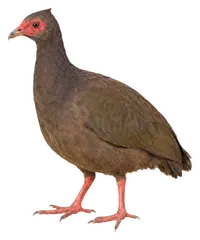 Tanimbar MegapodeMegapodius tenimberensis
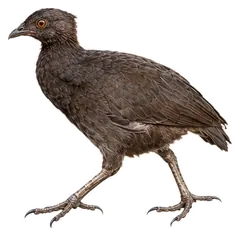 Dusky MegapodeMegapodius freycinet
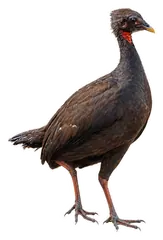 Biak ScrubfowlMegapodius geelvinkianus
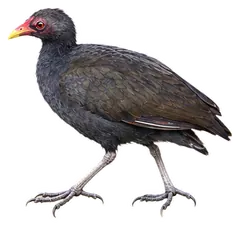 Melanesian MegapodeMegapodius eremita
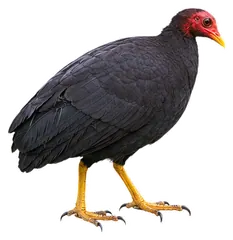 Vanuatu MegapodeMegapodius layardi
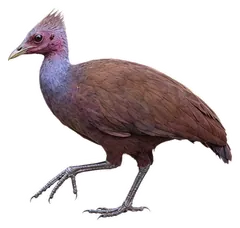 New Guinea ScrubfowlMegapodius decollatus
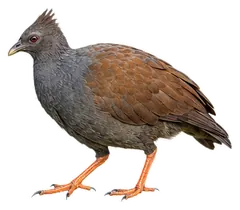 Orange-footed ScrubfowlMegapodius reinwardt
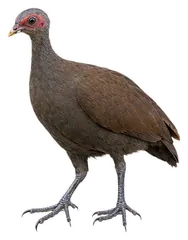
Download illustration
Free to use with credit: “Illustration: Bird Album (birdalbum.com)”. Drawn by AI from a reference photo by Rob Jansen. ↗
Heard it but can't see it? Mingji identifies birds by sound and photo, on your phone.
In other languages
- EnglishPhilippine Megapode
- 简体中文菲律宾冢雉
- 繁體中文菲律賓塚雉
- 日本語パラワンツカツクリ
- DeutschPhilippinen-Großfußhuhn
- FrançaisMégapode des Philippines
- EspañolTalégalo filipino
- Portuguêsfrango-do-mato-filipino
- ItalianoMegapodio tabon
- NederlandsFilipijns Boshoen
- РусскийФилиппинский большеног
- Svenskafilippinstorfotshöna
- DanskFilippinsk Buskhøne
- Polskinogal rdzawolicy