 Bird Album
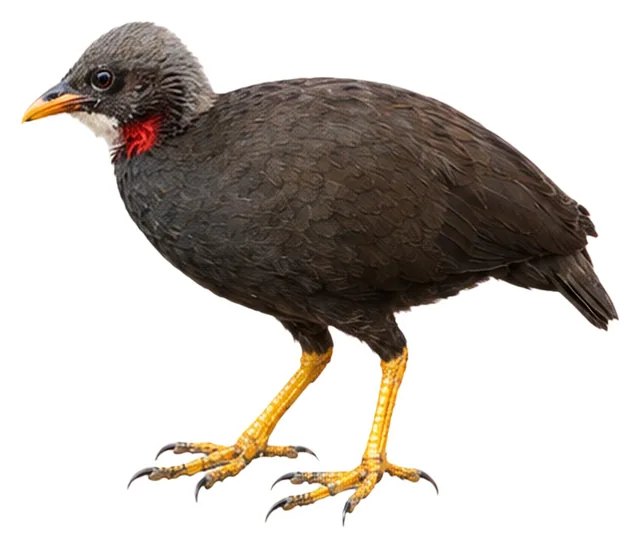
Micronesian Megapode
Megapodius laperouse Gaimard, 1823
308 gWeight
The Micronesian megapode or Micronesian scrubfowl (Megapodius laperouse) is a megapode which inhabits islands of the Western Pacific Ocean.
Busiest months: January–February, May and November · Most records: Palau, Northern Mariana Islands
Where and when it's recorded
Busiest months: January–February, May and November · Most records: Palau, Northern Mariana Islands

Micronesian Megapode has been recorded at 14 of the 8,276 birding hotspots we track, in 2 countries and regions.
Records by month Northern Hemisphere
Where it's recorded most
- Ngemelis St.1Palau118 records
- Ngeanges St.2Palau96 records
- Ulong St.2Palau92 records
More places
- Ngchus St.1Palau90 records
- Ulong St.1Palau87 records
- Ngeanges St.3Palau85 records
- Ngeanges St.1Palau74 records
- Euidelchol St.1Palau68 records
- Ngeremdiu St.1Palau39 records
- WW II MemorialsNorthern Mariana Islands19 records
Countries and regions with the most records
eBird records via GBIF up to 2024-12-31. A record means someone listed it; more records partly mean more birders, not more birds.
About
The Micronesian megapode or Micronesian scrubfowl (Megapodius laperouse) is a megapode which inhabits islands of the Western Pacific Ocean.
Excerpt from Wikipedia, CC BY-SA 4.0 · authors · Read more on Wikipedia
Questions
How big is the Micronesian Megapode?
The Micronesian Megapode weighs around 308 g.
Where does the Micronesian Megapode live?
Its breeding range: Pacific Ocean: Palau (western Caroline Islands), Northern Mariana Islands and Guam (where extinct; western Micronesia). It is most often recorded in Palau and Northern Mariana Islands.
When is the best time to see the Micronesian Megapode?
At the hotspots we track, it is recorded most in January, February, May and November (Northern Hemisphere).
Is the Micronesian Megapode endangered?
The IUCN Red List classifies the Micronesian Megapode as Near Threatened.
What does the Micronesian Megapode eat?
Main food: Omnivore.
What family is the Micronesian Megapode in?
It belongs to the family Megapodes (Megapodiidae), order Galliformes.
At a glance
- Weight
- 308 g
- Habitat
- Forest
- Diet
- Omnivore
- Lifestyle
- Active on the ground
- Migration
- Resident (barely migrates)
- Conservation
- Near Threatened
More measurements
- Wing
- 167 mm
- Tail
- 55 mm
- Bill
- 22 mm
- Tarsus
- 52 mm
Averages from the AVONET dataset; length from field guides where available.
Range
Pacific Ocean: Palau (western Caroline Islands), Northern Mariana Islands and Guam (where extinct; western Micronesia)
Breeding range, IOC World Bird List 15.2
Classification
- Order
- Galliformes
- Family
- Megapodes Megapodiidae
- Genus
- Megapodius
Other birds in the genus Megapodius
 Tongan MegapodeMegapodius pritchardii
 Nicobar MegapodeMegapodius nicobariensis
 Philippine MegapodeMegapodius cumingii
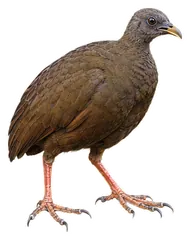 Sula MegapodeMegapodius bernsteinii
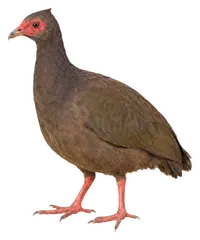 Tanimbar MegapodeMegapodius tenimberensis
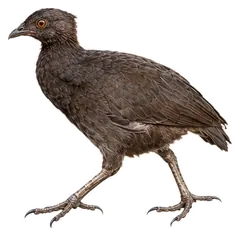 Dusky MegapodeMegapodius freycinet
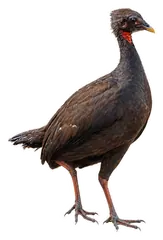 Biak ScrubfowlMegapodius geelvinkianus
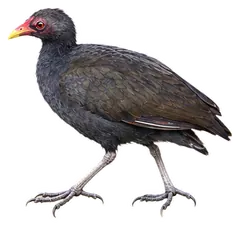 Melanesian MegapodeMegapodius eremita
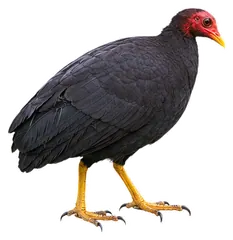 Vanuatu MegapodeMegapodius layardi
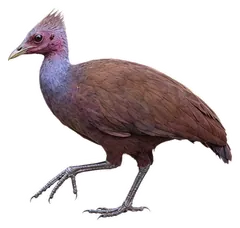 New Guinea ScrubfowlMegapodius decollatus
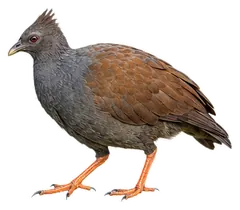 Orange-footed ScrubfowlMegapodius reinwardt
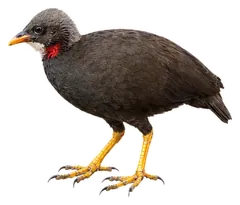
Download illustration
Free to use with credit: “Illustration: Bird Album (birdalbum.com)”. Drawn by AI from a reference photo by Michael Lusk. ↗
Heard it but can't see it? Mingji identifies birds by sound and photo, on your phone.
In other languages
- EnglishMicronesian Megapode
- 简体中文马岛冢雉
- 繁體中文密克羅尼西亞塚雉
- 日本語マリアナツカツクリ
- DeutschMarianen-Großfußhuhn
- FrançaisMégapode de La Pérouse
- EspañolTalégalo de las Marianas
- Portuguêsfrango-do-mato-micronésio
- ItalianoMegapodio di Micronesia
- NederlandsMarianenboshoen
- РусскийМикронезийский большеног
- Svenskamikronesisk storfotshöna
- DanskMarianer Buskhøne
- Polskinogal mikronezyjski