 Bird Album
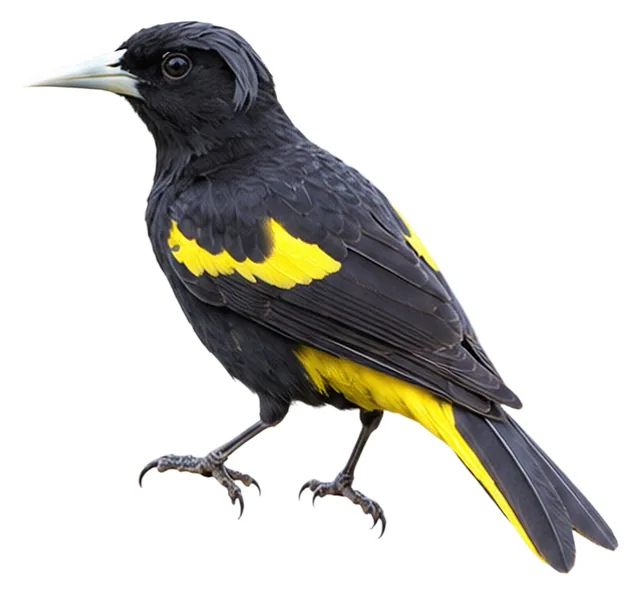
Mexican Cacique
Cassiculus melanicterus (Bonaparte, 1825)
28–32 cmLength81 gWeight
The Mexican cacique or yellow-winged cacique (Cassiculus melanicterus) is a species of bird in the family Icteridae, the oropendolas, New World orioles, and New World blackbirds.
Busiest months: January–March · Most records: Mexico
Where and when it's recorded
Busiest months: January–March · Most records: Mexico

Mexican Cacique has been recorded at 18 of the 8,276 birding hotspots we track, in 1 country or region.
Records by month Northern Hemisphere
Where it's recorded most
- Rancho PrimaveraMexico2,084 records
- Jardín Botánico VallartaMexico1,491 records
- Playa YelapaMexico743 records
More places
- Rio La TovaraMexico704 records
- Rio PitillalMexico676 records
- ChacalillaMexico656 records
- Laguna San PanchoMexico583 records
- Camino SingaytaMexico533 records
- TecuitataMexico529 records
- Boca de TomatesMexico320 records
Countries and regions with the most records
eBird records via GBIF up to 2024-12-31. A record means someone listed it; more records partly mean more birders, not more birds.
About
The Mexican cacique or yellow-winged cacique (Cassiculus melanicterus) is a species of bird in the family Icteridae, the oropendolas, New World orioles, and New World blackbirds. It is found in El Salvador,Guatemala and Mexico.
Excerpt from Wikipedia, CC BY-SA 4.0 · authors · Read more on Wikipedia
Questions
How big is the Mexican Cacique?
The Mexican Cacique is about 28–32 cm long and weighs around 81 g.
Where does the Mexican Cacique live?
Its breeding range: Middle America: western Mexico to southeastern Guatemala. It is most often recorded in Mexico.
When is the best time to see the Mexican Cacique?
At the hotspots we track, it is recorded most in January, February and March (Northern Hemisphere).
Is the Mexican Cacique endangered?
The IUCN Red List classifies the Mexican Cacique as Least Concern.
What does the Mexican Cacique eat?
Main food: Insects & other invertebrates.
What family is the Mexican Cacique in?
It belongs to the family Oropendolas, New World Orioles, Blackbirds (Icteridae), order Passerines (Passeriformes).
At a glance
- Length
- 28–32 cm
- Weight
- 81 g
- Habitat
- Shrubland
- Diet
- Insects & other invertebrates
- Lifestyle
- Perches in trees
- Migration
- Resident (barely migrates)
- Conservation
- Least Concern
More measurements
- Wing
- 146 mm
- Tail
- 132 mm
- Bill
- 40 mm
- Tarsus
- 31 mm
Averages from the AVONET dataset; length from field guides where available.
Range
Middle America: western Mexico to southeastern Guatemala
Breeding range, IOC World Bird List 15.2
Classification
- Order
- Passerines Passeriformes
- Family
- Oropendolas, New World Orioles, Blackbirds Icteridae
- Genus
- Cassiculus
More from the family Oropendolas, New World Orioles, Blackbirds
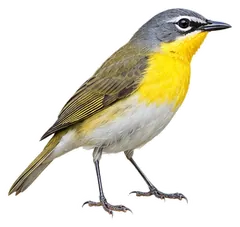 Yellow-breasted ChatIcteria virens
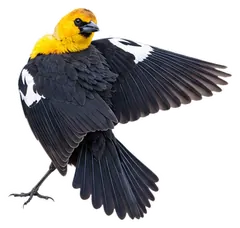 Yellow-headed BlackbirdXanthocephalus xanthocephalus
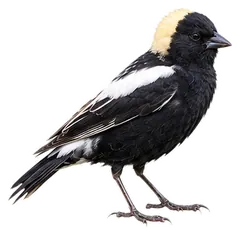 BobolinkDolichonyx oryzivorus
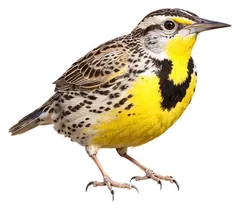 Western MeadowlarkSturnella neglecta
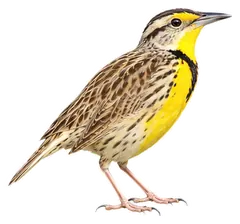 Eastern MeadowlarkSturnella magna
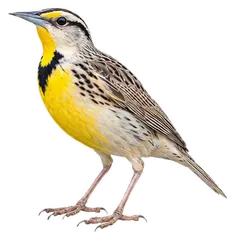 Chihuahuan MeadowlarkSturnella lilianae
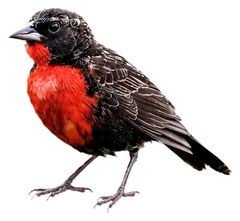 Red-breasted MeadowlarkLeistes militaris
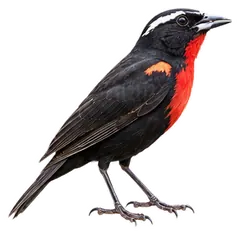 White-browed MeadowlarkLeistes superciliaris
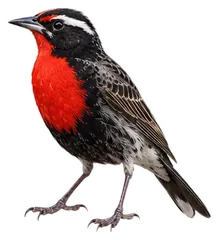 Peruvian MeadowlarkLeistes bellicosus
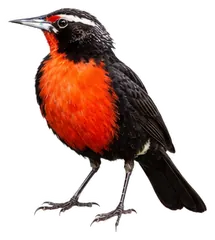 Long-tailed MeadowlarkLeistes loyca
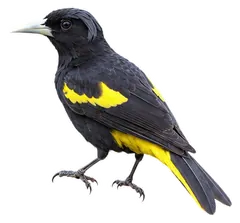
Download illustration
Free to use with credit: “Illustration: Bird Album (birdalbum.com)”. Drawn by AI from a reference photo by leewarren. ↗
Heard it but can't see it? Mingji identifies birds by sound and photo, on your phone.
In other languages
- EnglishMexican Cacique
- 简体中文黄翅酋长鹂
- 繁體中文黃翅酋長鳥
- 日本語キバネツリスドリ
- DeutschHaubenkassike
- FrançaisCassique à ailes jaunes
- EspañolCacique mexicano
- Portuguêsjapu-mexicano
- ItalianoCacicco aligialle
- NederlandsGeelvleugelbuidelspreeuw
- РусскийМексиканский кассик
- Svenskagulvingad kasik
- DanskGulvinget Pungstær
- Polskikacykowiec meksykański