 Bird Album
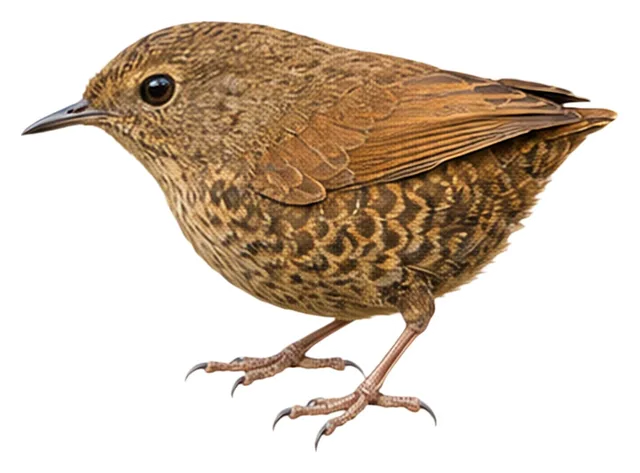
Nepal Cupwing
Pnoepyga immaculata Martens, J & Eck, 1991
10 cmLength20 gWeight
This tiny rufous-olive bird has a very short tail.
Busiest months: February · Most records: India, Nepal, China
How to identify
Field marks
- Tail extremely short
- Body rufous-olive
- Upperparts with dark scaling
- Flight feathers with pale edges
Voice
A series of thin, short, rapid whistles, gradually descending in pitch.
Where and when it's recorded

Nepal Cupwing has been recorded at 17 of the 8,171 birding hotspots we track, in 3 countries and regions.
Records by month Northern Hemisphere
Where it's recorded most
- Forest Research Institute (FRI), New Forest CampusIndia81 records
- SattalIndia39 records
- Wildlife Institute of IndiaIndia31 records
More places
- Corbett NPIndia23 records
- Corbett NP – DhikalaIndia22 records
- PangotIndia12 records
- Langtang National Park - Syabru to Lama HotelNepal11 records
- Gyirong – Jifu VillageChina6 records
- Asan Conservation ReserveIndia4 records
- Wildlife Institute of India (WII) – Nature Trail & LakeIndia4 records
Countries and regions with the most records
eBird records via GBIF up to 2024-12-31. A record means someone listed it; more records partly mean more birders, not more birds.
About
The Nepal cupwing (Pnoepyga immaculata), also known as the Nepal wren-babbler or immaculate cupwing, is a small species of passerine bird in the family Pnoepygidae. It is native to Uttarakhand, Himachal Pradesh, Tibet, and Nepal. It is found in dense montane forest in the Himalayas.
Excerpt from Wikipedia, CC BY-SA 4.0 · authors · Read more on Wikipedia
Questions
How big is the Nepal Cupwing?
The Nepal Cupwing is about 10 cm long and weighs around 20 g.
Where does the Nepal Cupwing live?
Its breeding range: Oriental: Indian Himalayas to Nepal. It is most often recorded in India, Nepal and China.
When is the best time to see the Nepal Cupwing?
At the hotspots we track, it is recorded most in February (Northern Hemisphere).
Is the Nepal Cupwing endangered?
The IUCN Red List classifies the Nepal Cupwing as Least Concern.
What does the Nepal Cupwing eat?
Main food: Insects & other invertebrates.
What family is the Nepal Cupwing in?
It belongs to the family Cupwings (Pnoepygidae), order Passerines (Passeriformes).
At a glance
- Length
- 10 cm
- Weight
- 20 g
- Habitat
- Forest
- Diet
- Insects & other invertebrates
- Lifestyle
- Active on the ground
- Migration
- Resident (barely migrates)
- Conservation
- Least Concern
More measurements
- Wing
- 56 mm
- Tail
- 15 mm
- Bill
- 13 mm
- Tarsus
- 22 mm
Averages from the AVONET dataset; length from field guides where available.
Range
Oriental: Indian Himalayas to Nepal
Breeding range, IOC World Bird List 15.2
Classification
- Order
- Passerines Passeriformes
- Family
- Cupwings Pnoepygidae
- Genus
- Pnoepyga
Other birds in the genus Pnoepyga
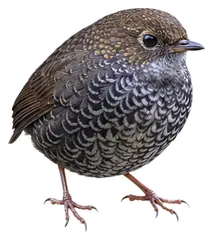 Scaly-breasted CupwingPnoepyga albiventer
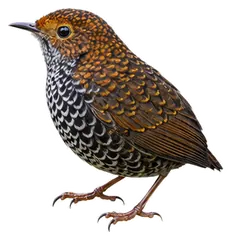 Taiwan CupwingPnoepyga formosana
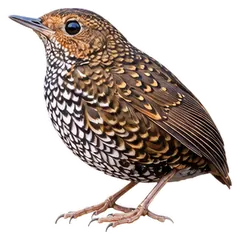 Pygmy CupwingPnoepyga pusilla
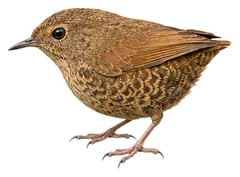
Download illustration
Free to use with credit: “Illustration: Bird Album (birdalbum.com)”. Drawn by AI from a reference photo by Vipul Ramanuj. ↗
Heard it but can't see it? Mingji identifies birds by sound and photo, on your phone.
In other languages
- EnglishNepal Cupwing
- 简体中文尼泊尔鹪鹛
- 繁體中文尼泊爾鷦鶥
- 日本語ネパールサザイチメドリ
- DeutschNepalzwergpfeifer
- FrançaisMicroure immaculée
- EspañolRatina inmaculada
- Portuguêsmicroúra-imaculada
- ItalianoGarrulo scricciolo del Nepal
- NederlandsNepalese Pnoepyga
- РусскийГималайская бесхвостка
- Svenskanepalkupvinge
- DanskNepal Skæltimalie
- Polskiskąpoogonek nepalski