 Bird Album
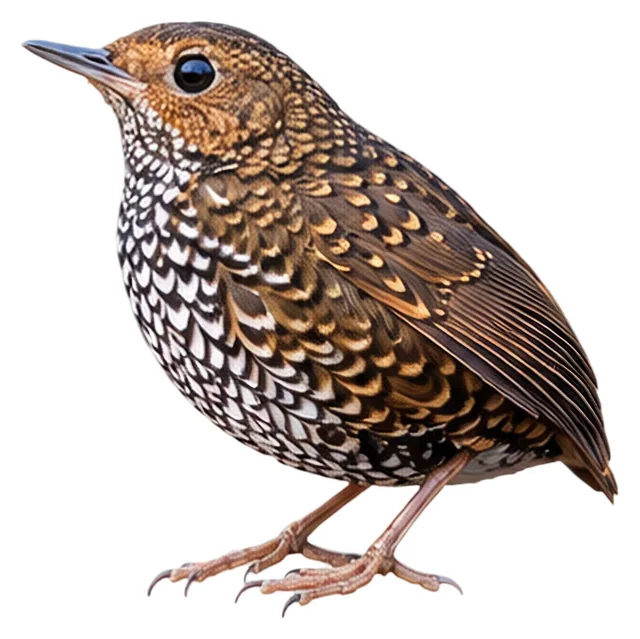
Pygmy Cupwing
Pnoepyga pusilla Hodgson, 1845
≈9.5 cmLength12 gWeight
This small bird lives in mountain woodland, alpine scrub or among roots in bamboo groves.
Busiest months: February and December · Most records: China, Thailand, Indonesia
How to identify
Where and when it's recorded
Busiest months: February and December · Most records: China, Thailand, Indonesia

Pygmy Cupwing has been recorded at 345 of the 8,276 birding hotspots we track, in 12 countries and regions.
Records by month Northern Hemisphere
Where it's recorded most
- Tai Po Kau Nature ReserveHong Kong (China)1,165 records
- Doi Inthanon NP – summitThailand960 records
- Tai Lam Country ParkHong Kong (China)666 records
More places
- Bukit FraserMalaysia630 records
- Doi Inthanon NPThailand514 records
- Doi Inthanon NP – Mae Ouam (Km 34.5)Thailand343 records
- Munsyari – Bheema WodeyarIndia267 records
- Gunung Gede Pangrango NPIndonesia264 records
- Pat Heung Catchwater, Tai LamHong Kong (China)251 records
- Gunung Gede Pangrango NP – Waterfall TrailIndonesia248 records
Countries and regions with the most records
eBird records via GBIF up to 2024-12-31. A record means someone listed it; more records partly mean more birders, not more birds.
About
The pygmy cupwing (Pnoepyga pusilla) or pygmy wren-babbler, is a species of bird in the Pnoepyga wren-babblers family, Pnoepygidae. It is found in southern and eastern Asia from the Himalayas to the Lesser Sunda Islands. Its natural habitats are subtropical or tropical moist lowland forest and subtropical or tropical moist montane forest.
Excerpt from Wikipedia, CC BY-SA 4.0 · authors · Read more on Wikipedia
Questions
How big is the Pygmy Cupwing?
The Pygmy Cupwing is about ≈9.5 cm long and weighs around 12 g.
Where does the Pygmy Cupwing live?
Its breeding range: Oriental: widespread. It is most often recorded in China, Thailand and Indonesia.
When is the best time to see the Pygmy Cupwing?
At the hotspots we track, it is recorded most in February and December (Northern Hemisphere).
Is the Pygmy Cupwing endangered?
The IUCN Red List classifies the Pygmy Cupwing as Least Concern.
What does the Pygmy Cupwing eat?
Main food: Insects & other invertebrates.
What family is the Pygmy Cupwing in?
It belongs to the family Cupwings (Pnoepygidae), order Passerines (Passeriformes).
At a glance
- Length
- ≈9.5 cm
- Weight
- 12 g
- Habitat
- Forest
- Diet
- Insects & other invertebrates
- Lifestyle
- Active on the ground
- Migration
- Resident (barely migrates)
- Conservation
- Least Concern
More measurements
- Wing
- 50 mm
- Tail
- 19 mm
- Bill
- 12 mm
- Tarsus
- 19 mm
Averages from the AVONET dataset; length from field guides where available.
Range
Oriental: widespread
Breeding range, IOC World Bird List 15.2
Subspecies · 1
- Pnoepyga pusilla pusilla c, e Himalayas and ne India to Myanmar, n Thailand, s China and n Indochina
Classification
- Order
- Passerines Passeriformes
- Family
- Cupwings Pnoepygidae
- Genus
- Pnoepyga
Other birds in the genus Pnoepyga
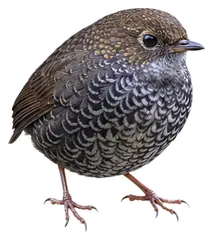 Scaly-breasted CupwingPnoepyga albiventer
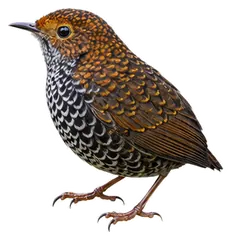 Taiwan CupwingPnoepyga formosana
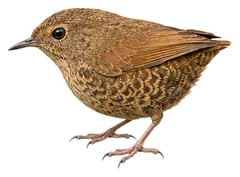 Nepal CupwingPnoepyga immaculata
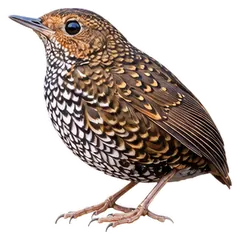
Download illustration
Free to use with credit: “Illustration: Bird Album (birdalbum.com)”. Drawn by AI from a reference photo by Oscar Ho. ↗
Heard it but can't see it? Mingji identifies birds by sound and photo, on your phone.