 Bird Album
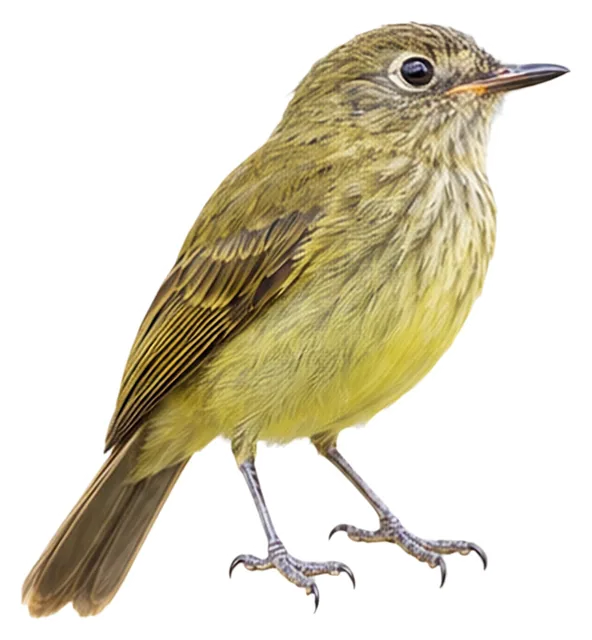
Olive-striped Flycatcher
Mionectes galbinus Bangs, 1902
13–14 cmLength15 gWeight
The olive-striped flycatcher (Mionectes galbinus) is a species of bird in the family Tyrannidae, the tyrant flycatchers.
Busiest months: January–February · Most records: Colombia, Ecuador, Panama
Where and when it's recorded
Busiest months: January–February · Most records: Colombia, Ecuador, Panama

Olive-striped Flycatcher has been recorded at 212 of the 8,276 birding hotspots we track, in 6 countries and regions.
Records by month Northern Hemisphere
Where it's recorded most
- WildSumaco LodgeEcuador870 records
- RN San Cipriano-EscalereteColombia843 records
- El Dorado ProAves ReserveColombia634 records
More places
- El Pangán ProAves reserveColombia579 records
- Un Poco del Choco – Reserve & Field StationEcuador446 records
- Rio Silanche Bird SanctuaryEcuador437 records
- RNA Proaves El Dorado – LodgeColombia379 records
- Altos del Maria – Elevación 900-1100 msnmPanama361 records
- La MesaPanama344 records
- Reserva Buenaventura – Umbrellabird Lodge and lower roadEcuador324 records
Countries and regions with the most records
eBird records via GBIF up to 2024-12-31. A record means someone listed it; more records partly mean more birders, not more birds.
About
The olive-striped flycatcher (Mionectes galbinus) is a species of bird in the family Tyrannidae, the tyrant flycatchers. It is found in Bolivia, Colombia, Ecuador, Panama, Peru, Trinidad, and Venezuela.
Excerpt from Wikipedia, CC BY-SA 4.0 · authors · Read more on Wikipedia
Questions
How big is the Olive-striped Flycatcher?
The Olive-striped Flycatcher is about 13–14 cm long and weighs around 15 g.
Where does the Olive-striped Flycatcher live?
Its breeding range: Middle America, South America: eastern Panama to western Colombia and western Ecuador; also Trinidad, northern, northwestern Venezuela and northeastern Colombia and eastern base of Andes from Colombia to northern Bolivia. It is most often recorded in Colombia, Ecuador and Panama.
When is the best time to see the Olive-striped Flycatcher?
At the hotspots we track, it is recorded most in January and February (Northern Hemisphere).
Is the Olive-striped Flycatcher endangered?
The IUCN Red List classifies the Olive-striped Flycatcher as Least Concern.
What does the Olive-striped Flycatcher eat?
Main food: Fruit.
What family is the Olive-striped Flycatcher in?
It belongs to the family Tyrant Flycatchers, Calyptura (Tyrannidae), order Passerines (Passeriformes).
At a glance
- Length
- 13–14 cm
- Weight
- 15 g
- Habitat
- Forest
- Diet
- Fruit
- Lifestyle
- Perches in trees
- Migration
- Resident (barely migrates)
- Conservation
- Least Concern
More measurements
- Wing
- 66 mm
- Tail
- 52 mm
- Bill
- 16 mm
- Tarsus
- 17 mm
Averages from the AVONET dataset; length from field guides where available.
Range
Middle America, South America: eastern Panama to western Colombia and western Ecuador; also Trinidad, northern, northwestern Venezuela and northeastern Colombia and eastern base of Andes from Colombia to northern Bolivia
Breeding range, IOC World Bird List 15.2
Classification
- Order
- Passerines Passeriformes
- Family
- Tyrant Flycatchers, Calyptura Tyrannidae
- Genus
- Mionectes
Other birds in the genus Mionectes
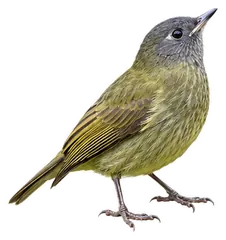 Streak-necked FlycatcherMionectes striaticollis
 Olive-streaked FlycatcherMionectes olivaceus
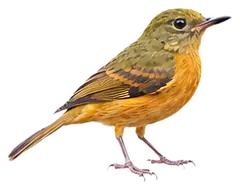 Ochre-bellied FlycatcherMionectes oleagineus
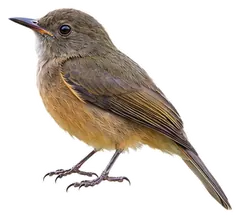 McConnell's FlycatcherMionectes macconnelli
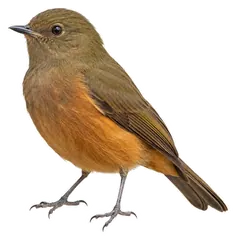 Sierra de Lema FlycatcherMionectes roraimae
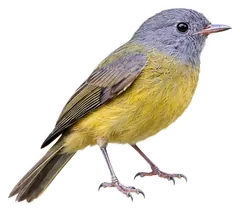 Grey-hooded FlycatcherMionectes rufiventris
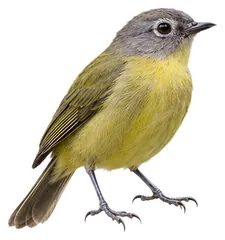 Grey-headed PipritesPiprites griseiceps
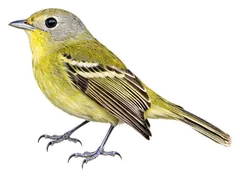 Wing-barred PipritesPiprites chloris
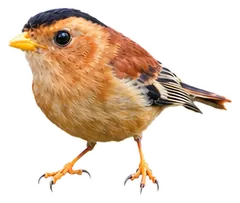 Black-capped PipritesPiprites pileata
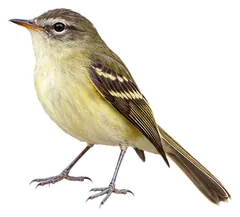 Greenish TyrannuletPhyllomyias virescens
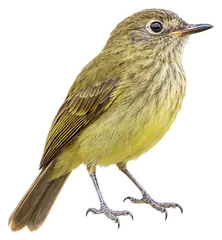
Download illustration
Free to use with credit: “Illustration: Bird Album (birdalbum.com)”. Drawn by AI from a reference photo by Don Marsille. ↗
Heard it but can't see it? Mingji identifies birds by sound and photo, on your phone.