 Bird Album
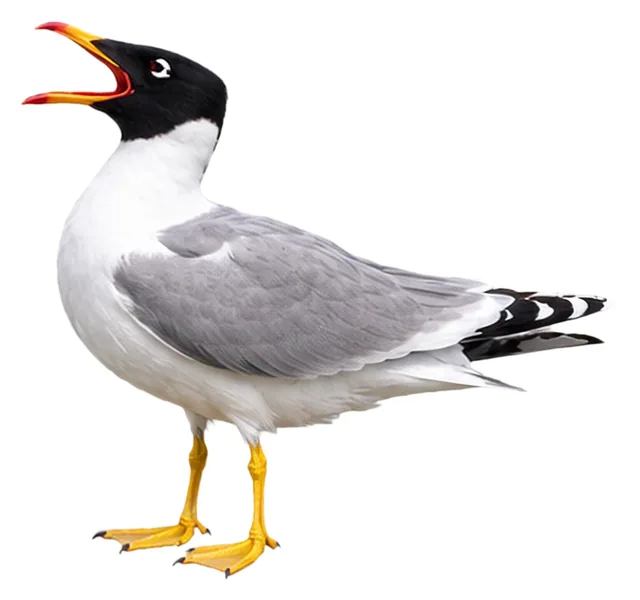
Pallas's Gull
Ichthyaetus ichthyaetus (Pallas, 1773)
55–72 cmLength160 cmWingspan1.4 kgWeight
It is a very large gull with a black hood in summer, unlike any other gull of comparable size.
Busiest months: January–March · Most records: India, China, Israel
How to identify
Field marks
- Black hood in summer plumage
- Back and wings gray; conspicuous white patches on wingtips
- Legs yellow; bill orange-yellow with a red tip
- Other plumages have a dark mask through the eye
Male, female and young
Juvenile upperparts soon turn gray; takes four years to reach maturity.
Voice
A low “aargh”; flight call is low and nasal.
Where and when it's recorded
Busiest months: January–March · Most records: India, China, Israel

Pallas's Gull has been recorded at 483 of the 8,276 birding hotspots we track, in 48 countries and regions.
Records by month Northern Hemisphere
Where it's recorded most
- Haiderpur Wetlands and Bijnor BarrageIndia726 records
- Ujani Dam – Kumbhargaon Bird SanctuaryIndia508 records
- Okhla Bird SanctuaryIndia434 records
More places
- Mai Po Nature ReserveHong Kong (China)382 records
- Nalsarovar Bird SanctuaryIndia334 records
- Besh Barmag bottleneckAzerbaijan324 records
- Asan Conservation ReserveIndia321 records
- Ugii Lake, Ugiinuur, Arkhangai, MNMongolia250 records
- Pulicat Lake – [TN Section]India214 records
- Al Jahra Reserve (Restricted access)Kuwait206 records
Countries and regions with the most records
eBird records via GBIF up to 2024-12-31. A record means someone listed it; more records partly mean more birders, not more birds.
About
Pallas's gull (Ichthyaetus ichthyaetus), also known as the great black-headed gull, is a large bird species. As is the case with many gulls, it has traditionally been placed in the genus Larus. The scientific name is from Ancient Greek.
Excerpt from Wikipedia, CC BY-SA 4.0 · authors · Read more on Wikipedia
Questions
How big is the Pallas's Gull?
The Pallas's Gull is about 55–72 cm long, with a wingspan of 160 cm and weighs around 1.4 kg.
Where does the Pallas's Gull live?
Its breeding range: Palearctic: patchily on lake islands from Crimea to Kazakhstan, western, southern Mongolia, Gansu, Qinghai and Inner Mongolia (western, central China). It is most often recorded in India, China and Israel.
When is the best time to see the Pallas's Gull?
At the hotspots we track, it is recorded most in January, February and March (Northern Hemisphere).
What does the Pallas's Gull eat?
Main food: Omnivore.
What family is the Pallas's Gull in?
It belongs to the family Gulls, Terns, Skimmers (Laridae), order Charadriiformes.
At a glance
- Length
- 55–72 cm
- Wingspan
- 160 cm
- Weight
- 1.4 kg
- Habitat
- Coast & tidal flats
- Diet
- Omnivore
- Lifestyle
- Varied
- Migration
- Migratory
More measurements
- Wing
- 471 mm
- Tail
- 173 mm
- Bill
- 73 mm
- Tarsus
- 72 mm
Averages from the AVONET dataset; length from field guides where available.
Range
Palearctic: patchily on lake islands from Crimea to Kazakhstan, western, southern Mongolia, Gansu, Qinghai and Inner Mongolia (western, central China)
Breeding range, IOC World Bird List 15.2
Classification
- Order
- Charadriiformes
- Family
- Gulls, Terns, Skimmers Laridae
- Genus
- Ichthyaetus
Other birds in the genus Ichthyaetus
 Relict GullIchthyaetus relictus
 Audouin's GullIchthyaetus audouinii
 Mediterranean GullIchthyaetus melanocephalus
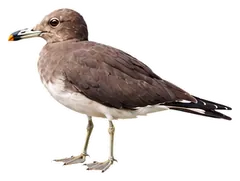 Sooty GullIchthyaetus hemprichii
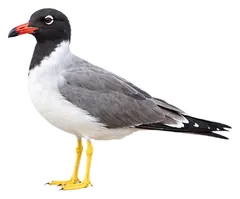 White-eyed GullIchthyaetus leucophthalmus
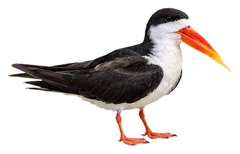 African SkimmerRynchops flavirostris
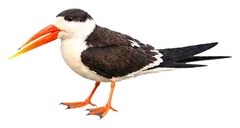 Indian SkimmerRynchops albicollis
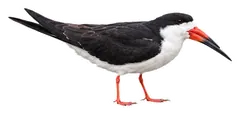 Black SkimmerRynchops niger
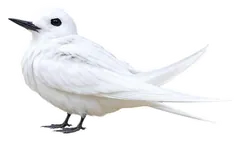 Atlantic White TernGygis alba
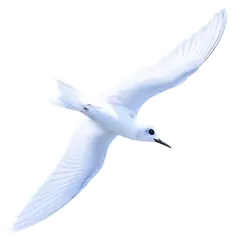 Little White TernGygis microrhyncha
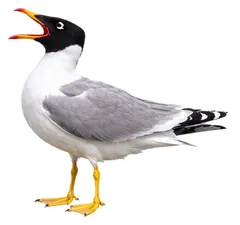
Download illustration
Free to use with credit: “Illustration: Bird Album (birdalbum.com)”. Drawn by AI from a reference photo by Dmitry Mikhirev. ↗

Heard it but can't see it? Mingji identifies birds by sound and photo, on your phone.
In other languages
- EnglishPallas's Gull
- 简体中文渔鸥
- 繁體中文漁鷗
- 日本語オオズグロカモメ
- 한국어큰검은머리갈매기
- DeutschFischmöwe
- FrançaisGoéland ichthyaète
- EspañolGavión cabecinegro
- Portuguêsgaivotão-de-cabeça-preta
- ItalianoGabbiano di Pallas
- NederlandsReuzenzwartkopmeeuw
- РусскийЧерноголовый хохотун
- Svenskasvarthuvad trut
- DanskStor Sorthovedet Måge
- Polski(mewa) orlica