 Bird Album
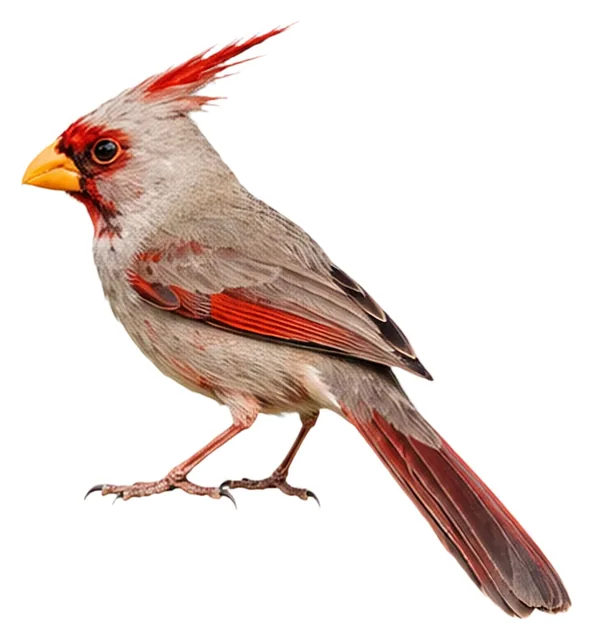
Pyrrhuloxia
Cardinalis sinuatus Bonaparte, 1838
21 cmLength35 gWeight
The pyrrhuloxia or desert cardinal (Cardinalis sinuatus) is a medium-sized North American songbird found in the American southwest and northern Mexico.
Busiest months: January–March · Most records: United States, Mexico
Where and when it's recorded
Busiest months: January–March · Most records: United States, Mexico

Pyrrhuloxia has been recorded at 91 of the 8,276 birding hotspots we track, in 2 countries and regions.
Records by month Northern Hemisphere
Where it's recorded most
- Paton Center for HummingbirdsUnited States5,987 records
- Catalina SPUnited States4,345 records
- Ash Canyon Bird SanctuaryUnited States4,174 records
More places
- Falcon State Park—SE portion (Starr Co.)United States3,954 records
- Sweetwater WetlandsUnited States3,568 records
- Patagonia Lake SP – Birding TrailUnited States2,953 records
- PortalUnited States2,794 records
- Portal – Cave Creek RanchUnited States2,713 records
- Patagonia Lake State ParkUnited States2,625 records
- Sierra Vista EOPUnited States2,599 records
Countries and regions with the most records
eBird records via GBIF up to 2024-12-31. A record means someone listed it; more records partly mean more birders, not more birds.
About
The pyrrhuloxia or desert cardinal (Cardinalis sinuatus) is a medium-sized North American songbird found in the American southwest and northern Mexico. This distinctive species with a short, stout bill, red crest, and red wings closely resembles the northern cardinal and the vermilion cardinal, which are in the same genus.
Excerpt from Wikipedia, CC BY-SA 4.0 · authors · Read more on Wikipedia
Questions
How big is the Pyrrhuloxia?
The Pyrrhuloxia is about 21 cm long and weighs around 35 g.
Where does the Pyrrhuloxia live?
Its breeding range: North America, Middle America: southwestern USA and Mexico. It is most often recorded in United States and Mexico.
When is the best time to see the Pyrrhuloxia?
At the hotspots we track, it is recorded most in January, February and March (Northern Hemisphere).
Is the Pyrrhuloxia endangered?
The IUCN Red List classifies the Pyrrhuloxia as Least Concern.
What does the Pyrrhuloxia eat?
Main food: Omnivore.
What family is the Pyrrhuloxia in?
It belongs to the family Cardinals & Allies (Cardinalidae), order Passerines (Passeriformes).
At a glance
- Length
- 21 cm
- Weight
- 35 g
- Habitat
- Shrubland
- Diet
- Omnivore
- Lifestyle
- Varied
- Migration
- Resident (barely migrates)
- Conservation
- Least Concern
More measurements
- Wing
- 93 mm
- Tail
- 103 mm
- Bill
- 15 mm
- Tarsus
- 24 mm
Averages from the AVONET dataset; length from field guides where available.
Range
North America, Middle America: southwestern USA and Mexico
Breeding range, IOC World Bird List 15.2
Classification
- Order
- Passerines Passeriformes
- Family
- Cardinals & Allies Cardinalidae
- Genus
- Cardinalis
Other birds in the genus Cardinalis
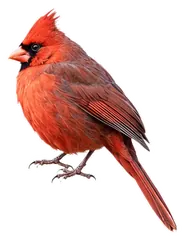 Northern CardinalCardinalis cardinalis
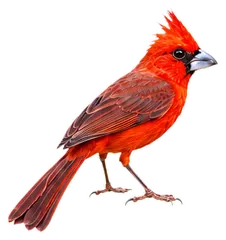 Vermilion CardinalCardinalis phoeniceus
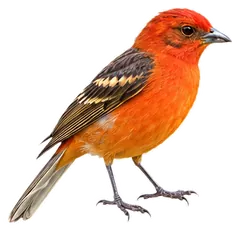 Flame-colored TanagerPiranga bidentata
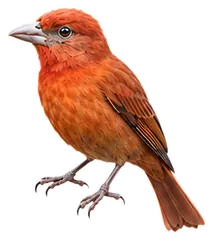 Tooth-billed TanagerPiranga lutea
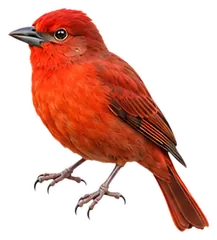 Red TanagerPiranga flava
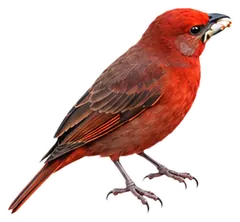 Hepatic TanagerPiranga hepatica
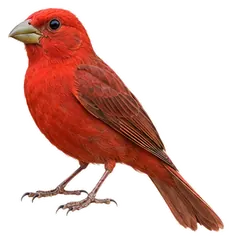 Summer TanagerPiranga rubra
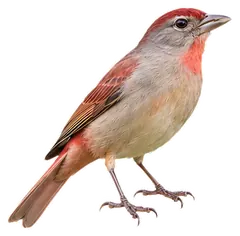 Rose-throated TanagerPiranga roseogularis
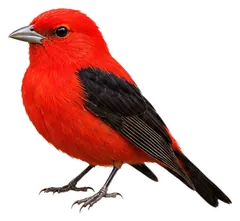 Scarlet TanagerPiranga olivacea
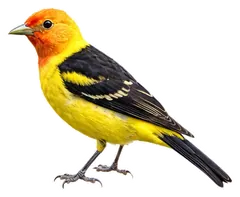 Western TanagerPiranga ludoviciana
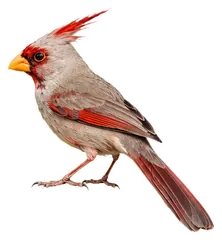
Download illustration
Free to use with credit: “Illustration: Bird Album (birdalbum.com)”. Drawn by AI from a reference photo by thausler. ↗
Heard it but can't see it? Mingji identifies birds by sound and photo, on your phone.