 Bird Album
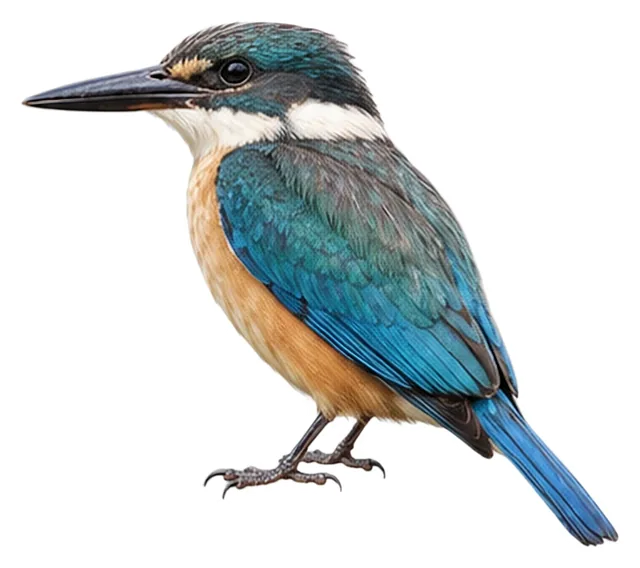
Sacred Kingfisher
Todiramphus sanctus (Vigors & Horsfield, 1827)
20–23 cmLength53 gWeight
The sacred kingfisher (Todiramphus sanctus) is a medium-sized woodland kingfisher that inhabits mangroves, woodlands, forests and river valleys in Australia, New Zealand and other parts of the western Pacific.
Busiest months: October–November · Most records: Australia, New Zealand, Papua New Guinea
Where and when it's recorded

Sacred Kingfisher has been recorded at 443 of the 8,171 birding hotspots we track, in 12 countries and regions.
Records by month Southern Hemisphere
Where it's recorded most
- Sandy Camp Road WetlandsAustralia4,650 records
- Oxley Creek CommonAustralia2,945 records
- Cairns EsplanadeAustralia2,374 records
More places
- Tinchi Tamba Wetlands ReserveAustralia1,724 records
- Bowra Wildlife SanctuaryAustralia1,724 records
- Jerrabomberra Wetlands Nature ReserveAustralia1,564 records
- Lake Samsonvale – Golds Scrub LaneAustralia1,505 records
- Dowse LagoonAustralia1,275 records
- Eagleby WetlandsAustralia1,105 records
- Daintree Village Boat CruiseAustralia1,066 records
Countries and regions with the most records
eBird records via GBIF up to 2024-12-31. A record means someone listed it; more records partly mean more birders, not more birds.
About
The sacred kingfisher (Todiramphus sanctus) is a medium-sized woodland kingfisher that inhabits mangroves, woodlands, forests and river valleys in Australia, New Zealand and other parts of the western Pacific.
Excerpt from Wikipedia, CC BY-SA 4.0 · authors · Read more on Wikipedia
Questions
How big is the Sacred Kingfisher?
The Sacred Kingfisher is about 20–23 cm long and weighs around 53 g.
Where does the Sacred Kingfisher live?
Its breeding range: Oriental, Australasia: Australia, New Caledonia including Loyalty Islands, Lord Howe, Norfolk Island, New Zealand and eastern Solomon Islands. It is most often recorded in Australia, New Zealand and Papua New Guinea.
When is the best time to see the Sacred Kingfisher?
At the hotspots we track, it is recorded most in October and November (Southern Hemisphere).
Is the Sacred Kingfisher endangered?
The IUCN Red List classifies the Sacred Kingfisher as Least Concern.
What does the Sacred Kingfisher eat?
Main food: Insects & other invertebrates.
What family is the Sacred Kingfisher in?
It belongs to the family Kingfishers (Alcedinidae), order Coraciiformes.
At a glance
- Length
- 20–23 cm
- Weight
- 53 g
- Habitat
- Woodland
- Diet
- Insects & other invertebrates
- Lifestyle
- Perches in trees
- Migration
- Migratory
- Conservation
- Least Concern
More measurements
- Wing
- 91 mm
- Tail
- 60 mm
- Bill
- 43 mm
- Tarsus
- 13 mm
Averages from the AVONET dataset; length from field guides where available.
Range
Oriental, Australasia: Australia, New Caledonia including Loyalty Islands, Lord Howe, Norfolk Island, New Zealand and eastern Solomon Islands
Breeding range, IOC World Bird List 15.2
Classification
- Order
- Coraciiformes
- Family
- Kingfishers Alcedinidae
- Genus
- Todiramphus
Other birds in the genus Todiramphus
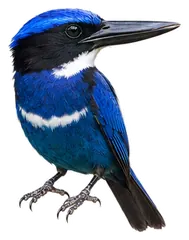 Blue-black KingfisherTodiramphus nigrocyaneus
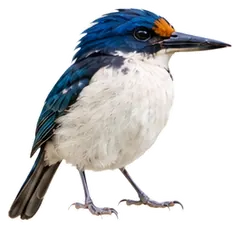 Rufous-lored KingfisherTodiramphus winchelli
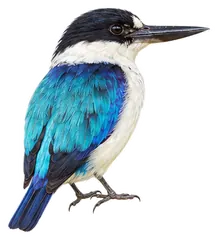 Blue-and-white KingfisherTodiramphus diops
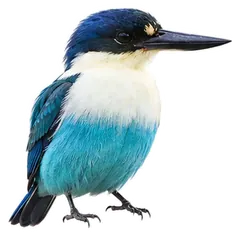 Lazuli KingfisherTodiramphus lazuli
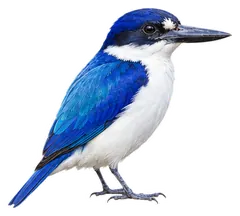 Forest KingfisherTodiramphus macleayii
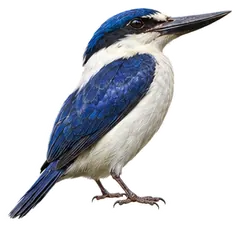 White-mantled KingfisherTodiramphus albonotatus
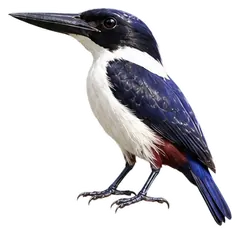 Ultramarine KingfisherTodiramphus leucopygius
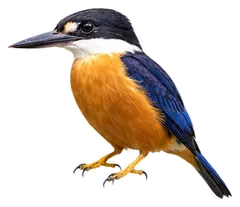 Vanuatu KingfisherTodiramphus farquhari
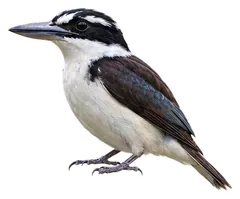 Sombre KingfisherTodiramphus funebris
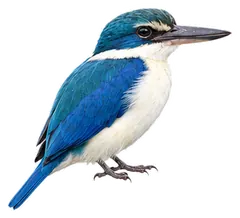 Collared KingfisherTodiramphus chloris
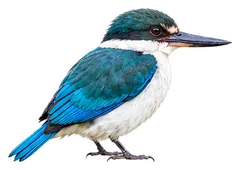 Torresian KingfisherTodiramphus sordidus
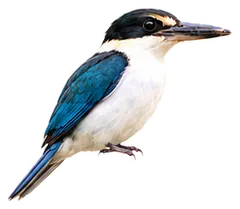 Islet KingfisherTodiramphus colonus
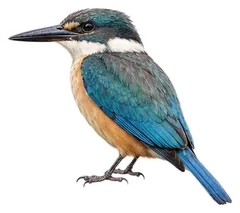
Download illustration
Free to use with credit: “Illustration: Bird Album (birdalbum.com)”. Drawn by AI from a reference photo by Jacqui Geux. ↗
Heard it but can't see it? Mingji identifies birds by sound and photo, on your phone.