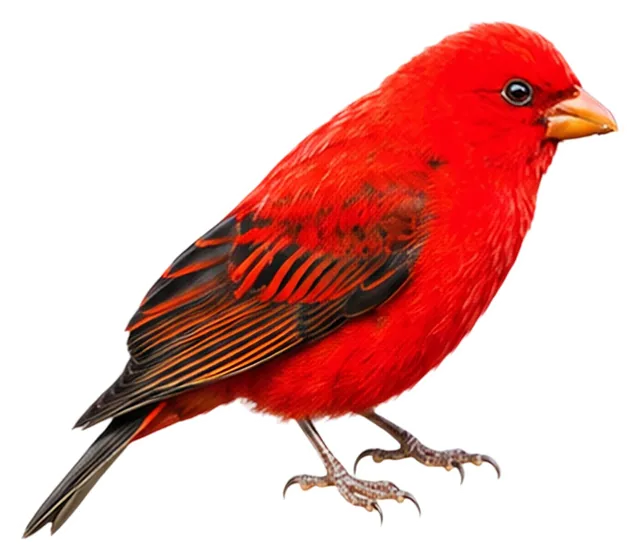
Scarlet Finch
Carpodacus sipahi (Hodgson, 1836)
≈18 cmLength40 gWeight
This mountain finch favors pine and fir forest, small trees at woodland edges, and scrub with scattered trees on hillsides.
Busiest months: January and April · Most records: Bhutan, China, Thailand
How to identify
Where and when it's recorded
Busiest months: January and April · Most records: Bhutan, China, Thailand

Scarlet Finch has been recorded at 75 of the 8,276 birding hotspots we track, in 6 countries and regions.
Records by month Northern Hemisphere
Where it's recorded most
- Baihualing [General Area]China130 records
- Yongkhola campBhutan62 records
- Mahananda WLS – LatpancharIndia62 records
More places
- Doi Pha Hom Pok NP – Doi Lang (W), AKA Doi San JuThailand56 records
- Lingmethang Rd – Namling mid-elevation forestBhutan22 records
- Doi Pha Hom Pok NP – Doi Lang (E)Thailand19 records
- Tingtibi campBhutan18 records
- Dochula – Royal Botanical ParkBhutan18 records
- Husa DongshanChina14 records
- Doi Pha Hom Pok NP – Doi Lang (W) level part / "Oasis"Thailand13 records
Countries and regions with the most records
eBird records via GBIF up to 2024-12-31. A record means someone listed it; more records partly mean more birders, not more birds.
Questions
How big is the Scarlet Finch?
The Scarlet Finch is about ≈18 cm long and weighs around 40 g.
Where does the Scarlet Finch live?
Its breeding range: Oriental: south-central Palearctic-n Oriental region in Himalayan montane forest: Uttarakhand through southeastern Tibet, northeastern India, western, northern Myanmar and northwestern Yunnan (south-central China). It is most often recorded in Bhutan, China and Thailand.
When is the best time to see the Scarlet Finch?
At the hotspots we track, it is recorded most in January and April (Northern Hemisphere).
Is the Scarlet Finch endangered?
The IUCN Red List classifies the Scarlet Finch as Least Concern.
What does the Scarlet Finch eat?
Main food: Omnivore.
What family is the Scarlet Finch in?
It belongs to the family Finches, Euphonias (Fringillidae), order Passerines (Passeriformes).
At a glance
- Length
- ≈18 cm
- Weight
- 40 g
- Habitat
- Forest
- Diet
- Omnivore
- Lifestyle
- Perches in trees
- Migration
- Resident (barely migrates)
- Conservation
- Least Concern
More measurements
- Wing
- 100 mm
- Tail
- 68 mm
- Bill
- 16 mm
- Tarsus
- 18 mm
Averages from the AVONET dataset; length from field guides where available.
Range
Oriental: south-central Palearctic-n Oriental region in Himalayan montane forest: Uttarakhand through southeastern Tibet, northeastern India, western, northern Myanmar and northwestern Yunnan (south-central China)
Breeding range, IOC World Bird List 15.2
Classification
- Order
- Passerines Passeriformes
- Family
- Finches, Euphonias Fringillidae
- Genus
- Carpodacus
Other birds in the genus Carpodacus
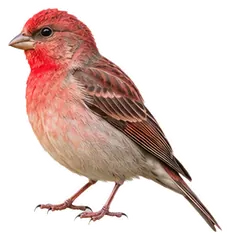 Common RosefinchCarpodacus erythrinus
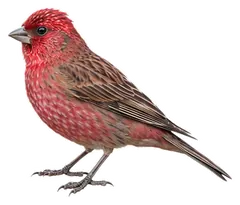 Streaked RosefinchCarpodacus rubicilloides
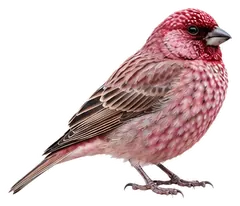 Great RosefinchCarpodacus rubicilla
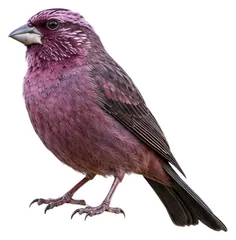 Blyth's RosefinchCarpodacus grandis
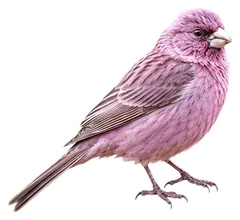 Red-mantled RosefinchCarpodacus rhodochlamys
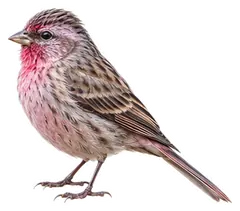 Himalayan Beautiful RosefinchCarpodacus pulcherrimus
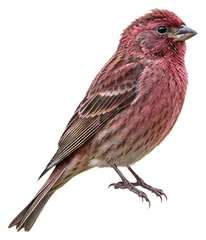 Chinese Beautiful RosefinchCarpodacus davidianus
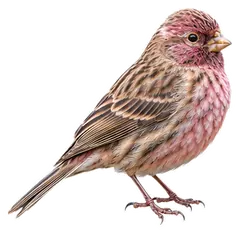 Pink-rumped RosefinchCarpodacus waltoni
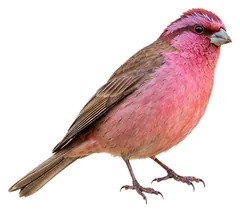 Pink-browed RosefinchCarpodacus rodochroa
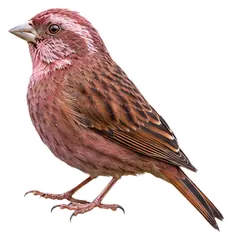 Dark-rumped RosefinchCarpodacus edwardsii
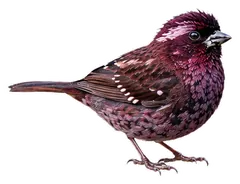 Spot-winged RosefinchCarpodacus rodopeplus
 Sharpe's RosefinchCarpodacus verreauxii
Download illustration
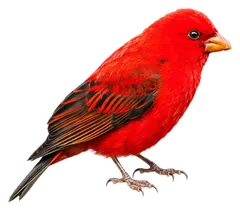
Free to use with credit: “Illustration: Bird Album (birdalbum.com)”. Drawn by AI from a reference photo by Tshulthrim Wildlifer. ↗
Heard it but can't see it? Mingji identifies birds by sound and photo, on your phone.