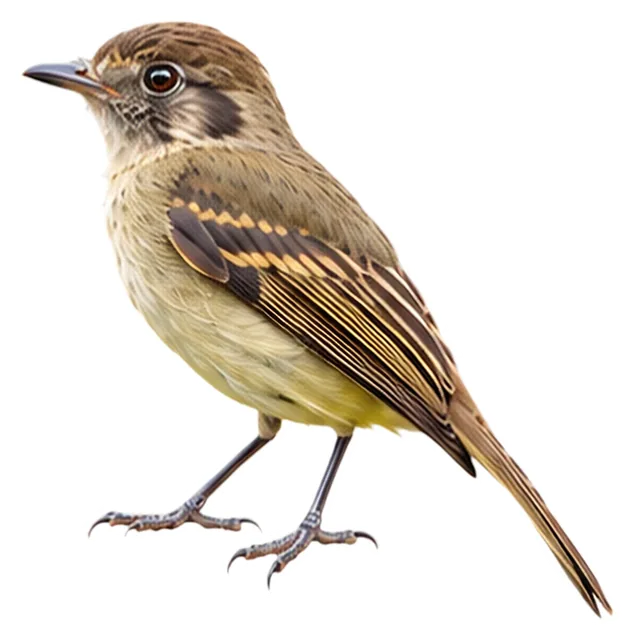
Sepia-capped Flycatcher
Leptopogon amaurocephalus Cabanis, 1846
12–14 cmLength12 gWeight
The sepia-capped flycatcher (Leptopogon amaurocephalus) is a species of bird in the family Tyrannidae, the tyrant flycatchers.
Busiest months: October · Most records: Brazil, Argentina, Peru
Where and when it's recorded
Busiest months: October · Most records: Brazil, Argentina, Peru

Sepia-capped Flycatcher has been recorded at 331 of the 8,276 birding hotspots we track, in 16 countries and regions.
Records by month Southern Hemisphere
Where it's recorded most
- PE IntervalesBrazil913 records
- PP Urugua-í – Seccional UruzúArgentina651 records
- El Paujil Proaves ReserveColombia640 records
More places
- PN Tikal – sitio arqueológicoGuatemala609 records
- Floresta Estadual Edmundo Navarro de AndradeBrazil442 records
- RN Cañon del Río ClaroColombia439 records
- PP de la AraucariaArgentina394 records
- Tapiraí – Trilha dos Tucanos LodgeBrazil393 records
- Black Rock LodgeBelize354 records
- Los Amigos Biological StationPeru353 records
Countries and regions with the most records
eBird records via GBIF up to 2024-12-31. A record means someone listed it; more records partly mean more birders, not more birds.
About
The sepia-capped flycatcher (Leptopogon amaurocephalus) is a species of bird in the family Tyrannidae, the tyrant flycatchers. It is found in Mexico, every Central American country except El Salvador, and every mainland South American country except Chile; it is known in Uruguay as a vagrant.
Excerpt from Wikipedia, CC BY-SA 4.0 · authors · Read more on Wikipedia
Questions
How big is the Sepia-capped Flycatcher?
The Sepia-capped Flycatcher is about 12–14 cm long and weighs around 12 g.
Where does the Sepia-capped Flycatcher live?
Its breeding range: Middle America, South America: widespread. It is most often recorded in Brazil, Argentina and Peru.
When is the best time to see the Sepia-capped Flycatcher?
At the hotspots we track, it is recorded most in October (Southern Hemisphere).
Is the Sepia-capped Flycatcher endangered?
The IUCN Red List classifies the Sepia-capped Flycatcher as Least Concern.
What does the Sepia-capped Flycatcher eat?
Main food: Insects & other invertebrates.
What family is the Sepia-capped Flycatcher in?
It belongs to the family Tyrant Flycatchers, Calyptura (Tyrannidae), order Passerines (Passeriformes).
At a glance
- Length
- 12–14 cm
- Weight
- 12 g
- Habitat
- Forest
- Diet
- Insects & other invertebrates
- Lifestyle
- Perches in trees
- Migration
- Resident (barely migrates)
- Conservation
- Least Concern
More measurements
- Wing
- 63 mm
- Tail
- 55 mm
- Bill
- 14 mm
- Tarsus
- 14 mm
Averages from the AVONET dataset; length from field guides where available.
Range
Middle America, South America: widespread
Breeding range, IOC World Bird List 15.2
Classification
- Order
- Passerines Passeriformes
- Family
- Tyrant Flycatchers, Calyptura Tyrannidae
- Genus
- Leptopogon
Other birds in the genus Leptopogon
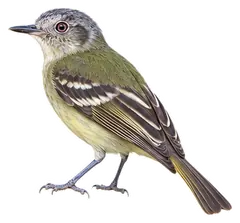 Slaty-capped FlycatcherLeptopogon superciliaris
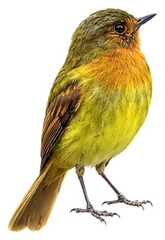 Rufous-breasted FlycatcherLeptopogon rufipectus
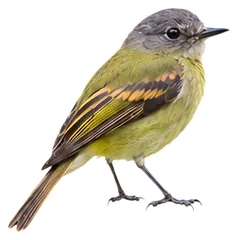 Inca FlycatcherLeptopogon taczanowskii
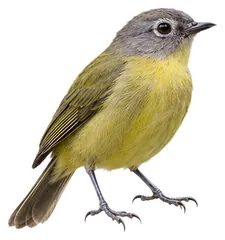 Grey-headed PipritesPiprites griseiceps
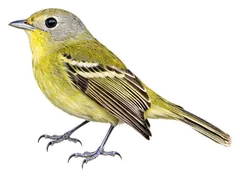 Wing-barred PipritesPiprites chloris
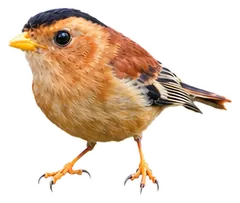 Black-capped PipritesPiprites pileata
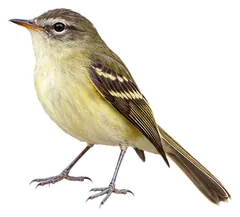 Greenish TyrannuletPhyllomyias virescens
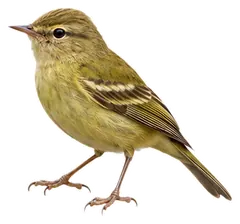 Reiser's TyrannuletPhyllomyias reiseri
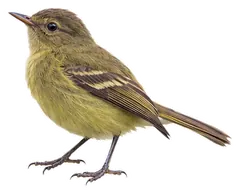 Urich's TyrannuletPhyllomyias urichi
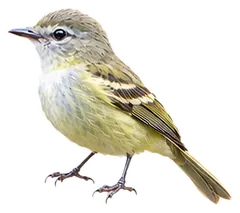 Sclater's TyrannuletPhyllomyias sclateri
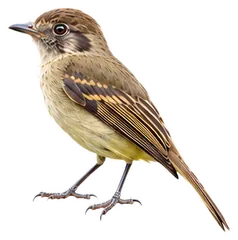
Download illustration
Free to use with credit: “Illustration: Bird Album (birdalbum.com)”. Drawn by AI from a reference photo by Joao Quental. ↗
Heard it but can't see it? Mingji identifies birds by sound and photo, on your phone.
In other languages
- EnglishSepia-capped Flycatcher
- 简体中文棕顶窄嘴霸鹟
- 繁體中文棕頂窄嘴霸鶲
- 日本語チャボウシハエトリ
- DeutschBraunkappen-Laubtyrann
- FrançaisPipromorphe à tête brune
- EspañolOrejero coronipardo
- Portuguêscabeçudo
- ItalianoPigliamosche caposeppia
- NederlandsBruinkapleptopogon
- РусскийБуроголовый ореджеро
- Svenskasepiakronad tyrann
- DanskBrunisset Leptopogon
- Polskimuchotyranik brązowogłowy