 Bird Album
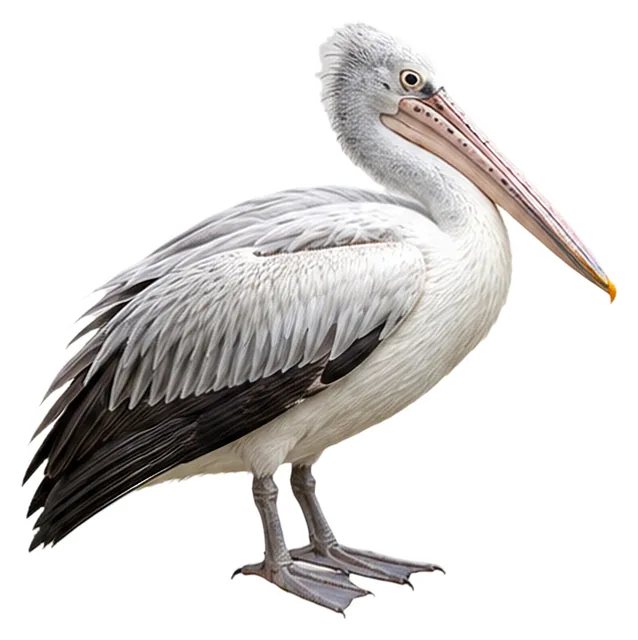
Spot-billed Pelican
Pelecanus philippensis Gmelin, JF, 1789
125–152 cmLength230 cmWingspan5 kgWeight
The adult has spots along the sides of the upper mandible and a pink to purple gular pouch.
Busiest months: January–February · Most records: India, Sri Lanka, Cambodia
How to identify
Field marks
- Spots along both sides of the upper mandible
- Pink to purple gular pouch with pale spots
- Curled nape feathers form a gray crest
- Bill tip yellow to orange
Male, female and young
Bill spots appear only after one year of age, and full adult breeding plumage develops in the third year.
Voice
Usually very quiet; hisses and grunts beside the nest and also snaps its bill shut.
Where and when it's recorded

Spot-billed Pelican has been recorded at 200 of the 8,171 birding hotspots we track, in 10 countries and regions.
Records by month Northern Hemisphere
To protect this bird from disturbance, we don't list exact sites.
Countries and regions with the most records
eBird records via GBIF up to 2024-12-31. A record means someone listed it; more records partly mean more birders, not more birds.
About
The spot-billed pelican (Pelecanus philippensis) or gray pelican is a member of the pelican family. It breeds in southern Asia from southern Iran across India east to Indonesia. It is a bird of large inland and coastal waters, especially large lakes.
Excerpt from Wikipedia, CC BY-SA 4.0 · authors · Read more on Wikipedia
Questions
How big is the Spot-billed Pelican?
The Spot-billed Pelican is about 125–152 cm long, with a wingspan of 230 cm and weighs around 5 kg.
Where does the Spot-billed Pelican live?
Its breeding range: Oriental: inland southeastern India, Sri Lanka, Cambodia and (?) Sumatra; extinct Philippines. It is most often recorded in India, Sri Lanka and Cambodia.
When is the best time to see the Spot-billed Pelican?
At the hotspots we track, it is recorded most in January and February (Northern Hemisphere).
Is the Spot-billed Pelican endangered?
The IUCN Red List classifies the Spot-billed Pelican as Near Threatened.
What does the Spot-billed Pelican eat?
Main food: Fish, shrimp & shellfish.
What family is the Spot-billed Pelican in?
It belongs to the family Pelicans (Pelecanidae), order Pelecaniformes.
At a glance
- Length
- 125–152 cm
- Wingspan
- 230 cm
- Weight
- 5 kg
- Habitat
- Wetland
- Diet
- Fish, shrimp & shellfish
- Lifestyle
- On the water surface
- Migration
- Resident (barely migrates)
- Conservation
- Near Threatened
More measurements
- Wing
- 563 mm
- Tail
- 174 mm
- Bill
- 334 mm
- Tarsus
- 87 mm
Averages from the AVONET dataset; length from field guides where available.
Range
Oriental: inland southeastern India, Sri Lanka, Cambodia and (?) Sumatra; extinct Philippines
Breeding range, IOC World Bird List 15.2
Classification
- Order
- Pelecaniformes
- Family
- Pelicans Pelecanidae
- Genus
- Pelecanus
Other birds in the genus Pelecanus
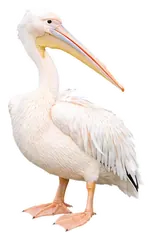 Great White PelicanPelecanus onocrotalus
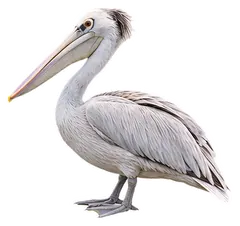 Pink-backed PelicanPelecanus rufescens
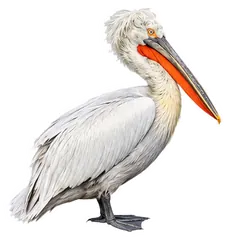 Dalmatian PelicanPelecanus crispus
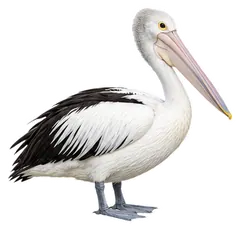 Australian PelicanPelecanus conspicillatus
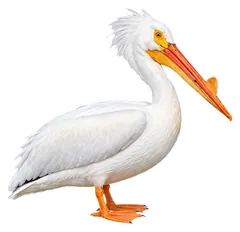 American White PelicanPelecanus erythrorhynchos
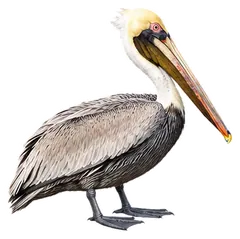 Brown PelicanPelecanus occidentalis
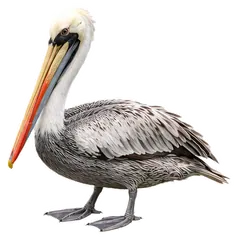 Peruvian PelicanPelecanus thagus
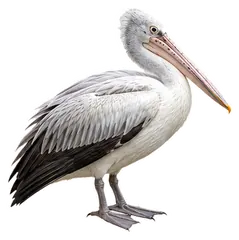
Download illustration
Free to use with credit: “Illustration: Bird Album (birdalbum.com)”. Drawn by AI from a reference photo by ralphaba. ↗
Heard it but can't see it? Mingji identifies birds by sound and photo, on your phone.
In other languages
- EnglishSpot-billed Pelican
- 简体中文斑嘴鹈鹕
- 繁體中文斑嘴鵜鶘
- 日本語ホシバシペリカン
- DeutschGraupelikan
- FrançaisPélican à bec tacheté
- EspañolPelícano oriental
- Portuguêspelicano-de-bico-pintado
- ItalianoPellicano beccomacchiato
- NederlandsGrijze Pelikaan
- РусскийПестроклювый пеликан
- Svenskafläcknäbbad pelikan
- DanskGrå Pelikan
- Polskipelikan indyjski