 Bird Album
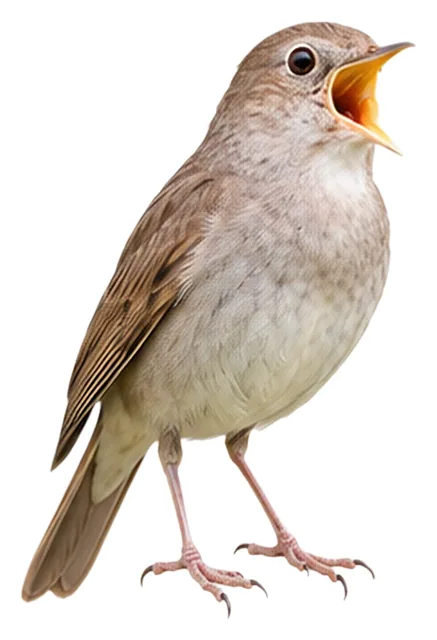
Thrush Nightingale
Luscinia luscinia (Linnaeus, 1758)
24 gWeight
The thrush nightingale (Luscinia luscinia), also known as the sprosser, is a small passerine bird in the Old World flycatcher family.
Busiest months: May · Most records: Israel, Sweden, Türkiye
Where and when it's recorded

Thrush Nightingale has been recorded at 464 of the 8,171 birding hotspots we track, in 62 countries and regions.
Records by month Northern Hemisphere
Where it's recorded most
- Jerusalem Bird ObservatoryIsrael1,648 records
- Aras Kuş Halkalama İstasyonuTürkiye797 records
- International Birding and Research Center Eilat (IBRCE)Israel646 records
More places
- Tsavo West NP – Ngulia LodgeKenya317 records
- Gazelle ValleyIsrael289 records
- Espoo – Laajalahti MaariFinland204 records
- Lotoshino Fish FarmRussia203 records
- Kvismaren NRSweden182 records
- Yeruham LakeIsrael182 records
- Gedser OddeDenmark181 records
Countries and regions with the most records
eBird records via GBIF up to 2024-12-31. A record means someone listed it; more records partly mean more birders, not more birds.
About
The thrush nightingale (Luscinia luscinia), also known as the sprosser, is a small passerine bird in the Old World flycatcher family. It is a migratory species breeding in forests in Europe and the Palearctic and overwintering in Africa. An insectivore, it nests near the ground in dense undergrowth.
Excerpt from Wikipedia, CC BY-SA 4.0 · authors · Read more on Wikipedia
Questions
How big is the Thrush Nightingale?
The Thrush Nightingale weighs around 24 g.
Where does the Thrush Nightingale live?
Its breeding range: Palearctic: northern, central Europe to central Russia. It is most often recorded in Israel, Sweden and Türkiye.
When is the best time to see the Thrush Nightingale?
At the hotspots we track, it is recorded most in May (Northern Hemisphere).
Is the Thrush Nightingale endangered?
The IUCN Red List classifies the Thrush Nightingale as Least Concern.
What does the Thrush Nightingale eat?
Main food: Insects & other invertebrates.
What family is the Thrush Nightingale in?
It belongs to the family Chats, Old World Flycatchers (Muscicapidae), order Passerines (Passeriformes).
At a glance
- Weight
- 24 g
- Habitat
- Shrubland
- Diet
- Insects & other invertebrates
- Lifestyle
- Varied
- Migration
- Migratory
- Conservation
- Least Concern
More measurements
- Wing
- 89 mm
- Tail
- 68 mm
- Bill
- 17 mm
- Tarsus
- 26 mm
Averages from the AVONET dataset; length from field guides where available.
Range
Palearctic: northern, central Europe to central Russia
Breeding range, IOC World Bird List 15.2
Classification
- Order
- Passerines Passeriformes
- Family
- Chats, Old World Flycatchers Muscicapidae
- Genus
- Luscinia
Other birds in the genus Luscinia
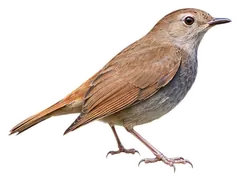 Common NightingaleLuscinia megarhynchos
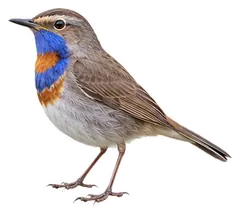 BluethroatLuscinia svecica
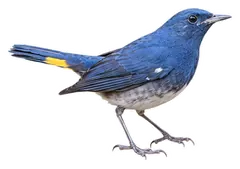 White-bellied RedstartLuscinia phaenicuroides
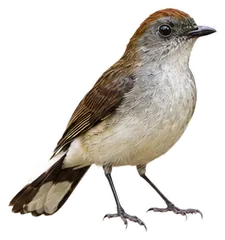 White-tailed AletheAlethe diademata
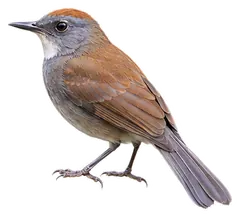 Fire-crested AletheAlethe castanea
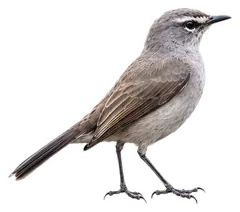 Karoo Scrub RobinTychaedon coryphoeus
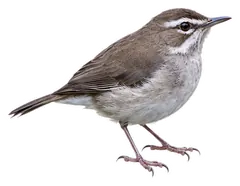 Brown Scrub RobinTychaedon signata
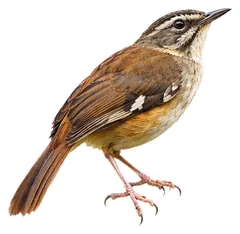 Forest Scrub RobinTychaedon leucosticta
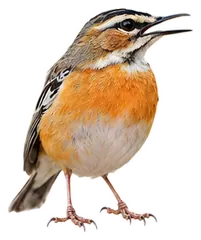 Bearded Scrub RobinTychaedon quadrivirgata
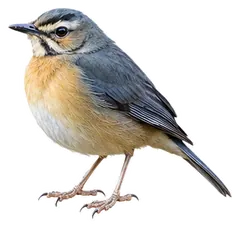 Miombo Scrub RobinTychaedon barbata
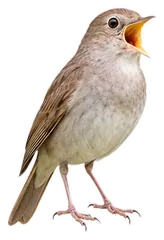
Download illustration
Free to use with credit: “Illustration: Bird Album (birdalbum.com)”. Drawn by AI from a reference photo by Mikhail Ezdakov. ↗
Heard it but can't see it? Mingji identifies birds by sound and photo, on your phone.