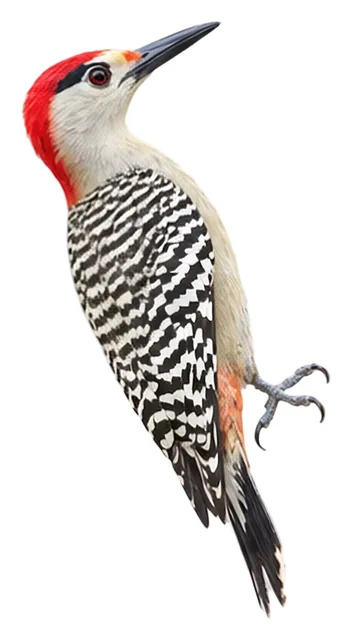
West Indian Woodpecker
Melanerpes superciliaris (Temminck, 1827)
27–32 cmLength77 gWeight
The West Indian woodpecker (Melanerpes superciliaris) is a species of bird in subfamily Picinae of the woodpecker family Picidae.
Busiest months: February–March · Most records: Cuba, Cayman Islands, Bahamas
Where and when it's recorded
Busiest months: February–March · Most records: Cuba, Cayman Islands, Bahamas

West Indian Woodpecker has been recorded at 38 of the 8,276 birding hotspots we track, in 3 countries and regions.
Records by month Northern Hemisphere
Where it's recorded most
- Refugio de Fauna BermejaCuba966 records
- Queen Elizabeth II Botanic Park - IBA, National TrustCayman Islands759 records
- Soplillar – Sabanas de PalpiteCuba735 records
More places
- Reserva de la Biosfera Sierra del Rosario – Las TerrazasCuba644 records
- PN Ciénaga de Zapata – Santo TomasCuba478 records
- Patricks Island Roost and DykesCayman Islands471 records
- Criadero de CocodrilosCuba432 records
- Casa Ana BirdingCuba386 records
- Canaan Land RoadCayman Islands336 records
- Hacienda CortinaCuba334 records
Countries and regions with the most records
eBird records via GBIF up to 2024-12-31. A record means someone listed it; more records partly mean more birders, not more birds.
About
The West Indian woodpecker (Melanerpes superciliaris) is a species of bird in subfamily Picinae of the woodpecker family Picidae. It is found in the Bahamas, the Cayman Islands and Cuba.
Excerpt from Wikipedia, CC BY-SA 4.0 · authors · Read more on Wikipedia
Questions
How big is the West Indian Woodpecker?
The West Indian Woodpecker is about 27–32 cm long and weighs around 77 g.
Where does the West Indian Woodpecker live?
Its breeding range: North America: Bahamas, Cuba and Cayman Islands. It is most often recorded in Cuba, Cayman Islands and Bahamas.
When is the best time to see the West Indian Woodpecker?
At the hotspots we track, it is recorded most in February and March (Northern Hemisphere).
Is the West Indian Woodpecker endangered?
The IUCN Red List classifies the West Indian Woodpecker as Least Concern.
What does the West Indian Woodpecker eat?
Main food: Insects & other invertebrates.
What family is the West Indian Woodpecker in?
It belongs to the family Woodpeckers (Picidae), order Piciformes.
At a glance
- Length
- 27–32 cm
- Weight
- 77 g
- Habitat
- Forest
- Diet
- Insects & other invertebrates
- Lifestyle
- Perches in trees
- Migration
- Resident (barely migrates)
- Conservation
- Least Concern
More measurements
- Wing
- 142 mm
- Tail
- 104 mm
- Bill
- 38 mm
- Tarsus
- 24 mm
Averages from the AVONET dataset; length from field guides where available.
Range
North America: Bahamas, Cuba and Cayman Islands
Breeding range, IOC World Bird List 15.2
Classification
- Order
- Piciformes
- Family
- Woodpeckers Picidae
- Genus
- Melanerpes
Other birds in the genus Melanerpes
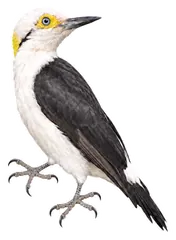 White WoodpeckerMelanerpes candidus
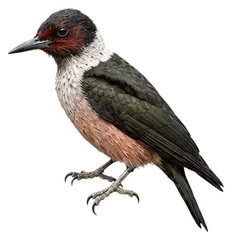 Lewis's WoodpeckerMelanerpes lewis
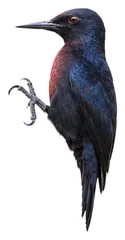 Guadeloupe WoodpeckerMelanerpes herminieri
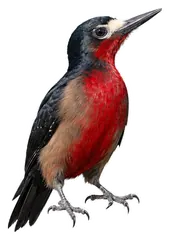 Puerto Rican WoodpeckerMelanerpes portoricensis
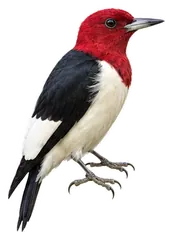 Red-headed WoodpeckerMelanerpes erythrocephalus
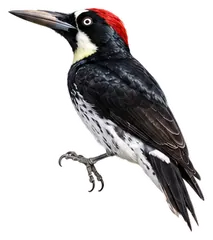 Acorn WoodpeckerMelanerpes formicivorus
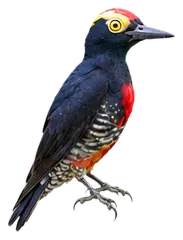 Yellow-tufted WoodpeckerMelanerpes cruentatus
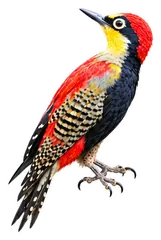 Yellow-fronted WoodpeckerMelanerpes flavifrons
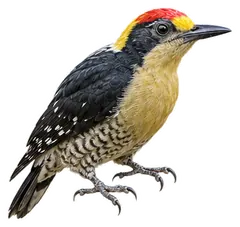 Golden-naped WoodpeckerMelanerpes chrysauchen
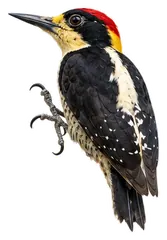 Beautiful WoodpeckerMelanerpes pulcher
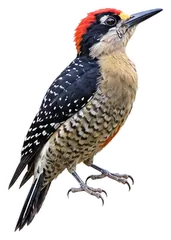 Black-cheeked WoodpeckerMelanerpes pucherani
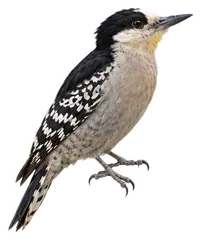 White-fronted WoodpeckerMelanerpes cactorum
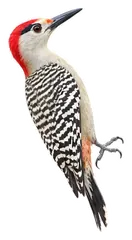
Download illustration
Free to use with credit: “Illustration: Bird Album (birdalbum.com)”. Drawn by AI from a reference photo by egorbirder. ↗
Heard it but can't see it? Mingji identifies birds by sound and photo, on your phone.
In other languages
- EnglishWest Indian Woodpecker
- 简体中文大红腹啄木鸟
- 繁體中文西印度紅腹啄木
- 日本語マユグロシマセゲラ
- DeutschBahamaspecht
- FrançaisPic à sourcils noirs
- EspañolCarpintero antillano
- Portuguêspica-pau-das-antilhas
- ItalianoPicchio delle Indie Occidentali
- NederlandsBahamaspecht
- РусскийБагамский дятел
- Svenskakaribspett
- DanskVestindisk Spætte
- Polskidzięciur antylski