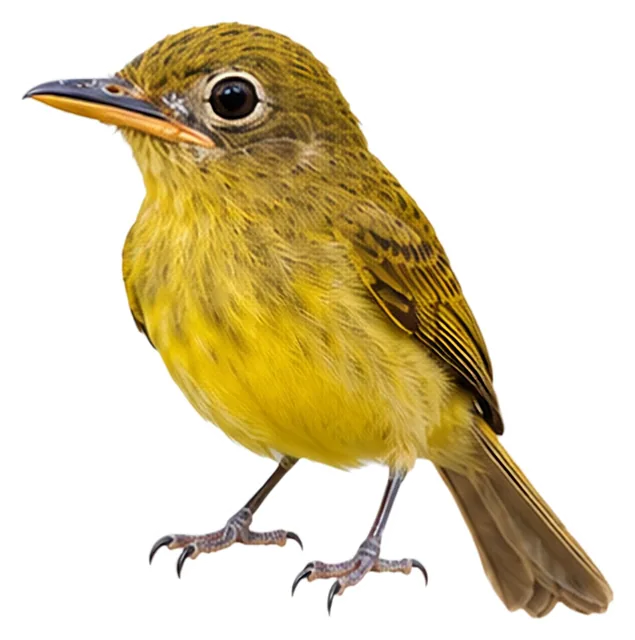
Western Olivaceous Flatbill
Rhynchocyclus aequinoctialis (Sclater, PL, 1858)
21 gWeight
The western olivaceous flatbill (Rhynchocyclus aequinoctialis) is a species of bird in the family Tyrannidae, the tyrant flycatchers.
Busiest months: February–March · Most records: Panama, Colombia, Peru
Where and when it's recorded
Busiest months: February–March · Most records: Panama, Colombia, Peru

Western Olivaceous Flatbill has been recorded at 110 of the 8,276 birding hotspots we track, in 7 countries and regions.
Records by month Northern Hemisphere
Where it's recorded most
- Pipeline Road (Camino del Oleoducto)Panama1,537 records
- RN Cañon del Río ClaroColombia1,045 records
- Pipeline Road – Parque Nacional SoberaníaPanama987 records
More places
- Plantation Road – Parque Nacional SoberaníaPanama716 records
- Semaphore Hill Road – Parque Nacional SoberaníaPanama692 records
- Pipeline RoadPanama569 records
- Panama Rainforest Discovery CenterPanama548 records
- Canopy TowerPanama276 records
- Reserva San FranciscoPanama253 records
- Canopy CampPanama129 records
Countries and regions with the most records
eBird records via GBIF up to 2024-12-31. A record means someone listed it; more records partly mean more birders, not more birds.
About
The western olivaceous flatbill (Rhynchocyclus aequinoctialis) is a species of bird in the family Tyrannidae, the tyrant flycatchers. It is found in Bolivia, Brazil, Colombia, Ecuador, Panama, Peru, and Venezuela.
Excerpt from Wikipedia, CC BY-SA 4.0 · authors · Read more on Wikipedia
Questions
How big is the Western Olivaceous Flatbill?
The Western Olivaceous Flatbill weighs around 21 g.
Where does the Western Olivaceous Flatbill live?
Its breeding range: Middle America, South America: eastern Panama and northern, central Colombia to northeastern Venezuela south to western Amazonia from south-central Colombia to eastern Peru and northern Bolivia. It is most often recorded in Panama, Colombia and Peru.
When is the best time to see the Western Olivaceous Flatbill?
At the hotspots we track, it is recorded most in February and March (Northern Hemisphere).
Is the Western Olivaceous Flatbill endangered?
The IUCN Red List classifies the Western Olivaceous Flatbill as Least Concern.
What does the Western Olivaceous Flatbill eat?
Main food: Insects & other invertebrates.
What family is the Western Olivaceous Flatbill in?
It belongs to the family Tyrant Flycatchers, Calyptura (Tyrannidae), order Passerines (Passeriformes).
At a glance
- Weight
- 21 g
- Habitat
- Forest
- Diet
- Insects & other invertebrates
- Lifestyle
- Perches in trees
- Migration
- Resident (barely migrates)
- Conservation
- Least Concern
More measurements
- Wing
- 69 mm
- Tail
- 56 mm
- Bill
- 15 mm
- Tarsus
- 20 mm
Averages from the AVONET dataset; length from field guides where available.
Range
Middle America, South America: eastern Panama and northern, central Colombia to northeastern Venezuela south to western Amazonia from south-central Colombia to eastern Peru and northern Bolivia
Breeding range, IOC World Bird List 15.2
Classification
- Order
- Passerines Passeriformes
- Family
- Tyrant Flycatchers, Calyptura Tyrannidae
- Genus
- Rhynchocyclus
Other birds in the genus Rhynchocyclus
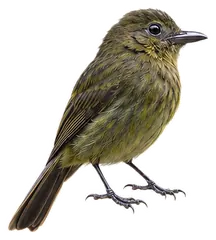 Pacific FlatbillRhynchocyclus pacificus
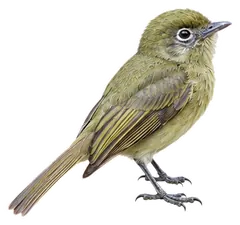 Eye-ringed FlatbillRhynchocyclus brevirostris
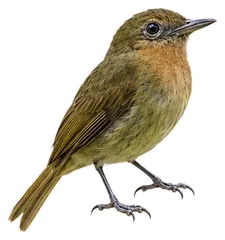 Fulvous-breasted FlatbillRhynchocyclus fulvipectus
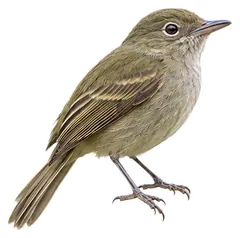 Eastern Olivaceous FlatbillRhynchocyclus olivaceus
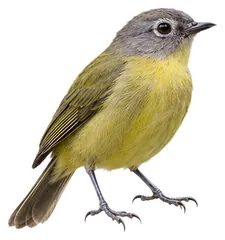 Grey-headed PipritesPiprites griseiceps
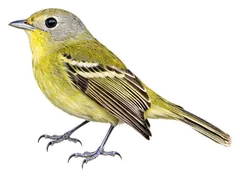 Wing-barred PipritesPiprites chloris
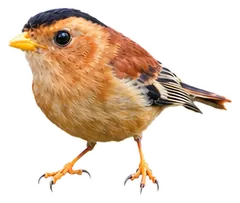 Black-capped PipritesPiprites pileata
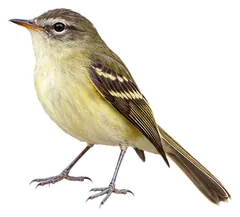 Greenish TyrannuletPhyllomyias virescens
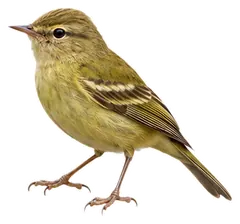 Reiser's TyrannuletPhyllomyias reiseri
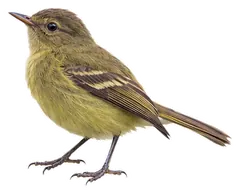 Urich's TyrannuletPhyllomyias urichi
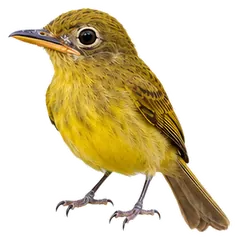
Download illustration
Free to use with credit: “Illustration: Bird Album (birdalbum.com)”. Drawn by AI from a reference photo by pawel115. ↗
Heard it but can't see it? Mingji identifies birds by sound and photo, on your phone.