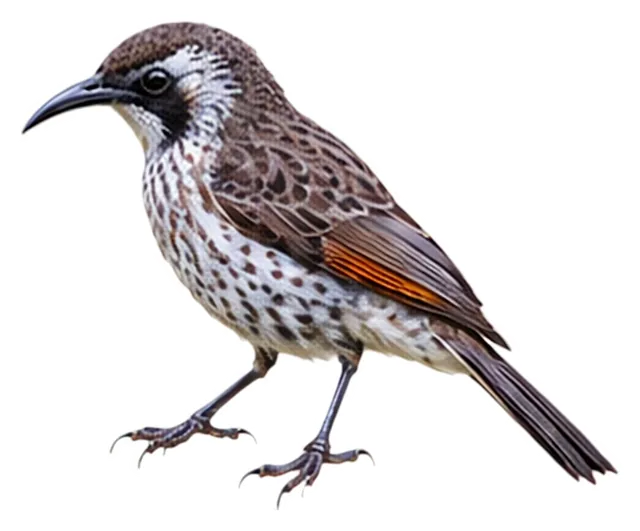
Western Wattlebird
Anthochaera lunulata Gould, 1838
29–33 cmLength62 gWeight
The western wattlebird (Anthochaera lunulata) is a passerine bird in the honeyeater family, Meliphagidae.
Busiest months: February and September–October · Most records: Australia
Where and when it's recorded
Busiest months: February and September–October · Most records: Australia

Western Wattlebird has been recorded at 7 of the 8,276 birding hotspots we track, in 1 country or region.
Records by month Southern Hemisphere
Where it's recorded most
- Victoria Dam – Access road, track and picnic areaAustralia355 records
- Bibra LakeAustralia157 records
- North LakeAustralia27 records
More places
- Herdsman LakeAustralia24 records
- Alfred Cove Nature ReserveAustralia19 records
- Lake Monger ReserveAustralia14 records
- Lake McLarty Nature ReserveAustralia6 records
Countries and regions with the most records
eBird records via GBIF up to 2024-12-31. A record means someone listed it; more records partly mean more birders, not more birds.
About
The western wattlebird (Anthochaera lunulata) is a passerine bird in the honeyeater family, Meliphagidae. It is restricted to south-western Australia.
Excerpt from Wikipedia, CC BY-SA 4.0 · authors · Read more on Wikipedia
Questions
How big is the Western Wattlebird?
The Western Wattlebird is about 29–33 cm long and weighs around 62 g.
Where does the Western Wattlebird live?
Its breeding range: Australasia: southwestern Western Australia (southwestern Australia). It is most often recorded in Australia.
When is the best time to see the Western Wattlebird?
At the hotspots we track, it is recorded most in February, September and October (Southern Hemisphere).
Is the Western Wattlebird endangered?
The IUCN Red List classifies the Western Wattlebird as Least Concern.
What does the Western Wattlebird eat?
Main food: Nectar.
What family is the Western Wattlebird in?
It belongs to the family Honeyeaters (Meliphagidae), order Passerines (Passeriformes).
At a glance
- Length
- 29–33 cm
- Weight
- 62 g
- Habitat
- Shrubland
- Diet
- Nectar
- Lifestyle
- Perches in trees
- Migration
- Resident (barely migrates)
- Conservation
- Least Concern
More measurements
- Wing
- 122 mm
- Tail
- 136 mm
- Bill
- 32 mm
- Tarsus
- 26 mm
Averages from the AVONET dataset; length from field guides where available.
Range
Australasia: southwestern Western Australia (southwestern Australia)
Breeding range, IOC World Bird List 15.2
Classification
- Order
- Passerines Passeriformes
- Family
- Honeyeaters Meliphagidae
- Genus
- Anthochaera
Other birds in the genus Anthochaera
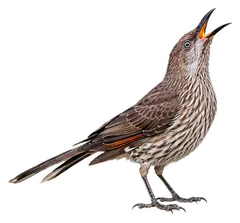 Little WattlebirdAnthochaera chrysoptera
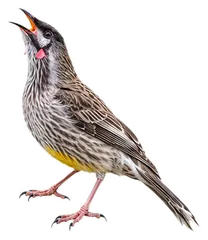 Red WattlebirdAnthochaera carunculata
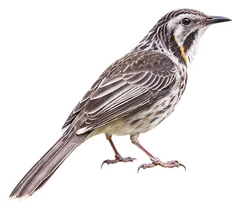 Yellow WattlebirdAnthochaera paradoxa
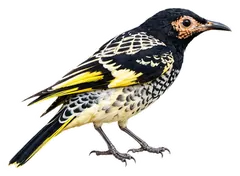 Regent HoneyeaterAnthochaera phrygia
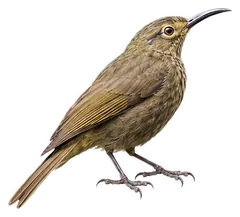 Dark-eared MyzaMyza celebensis
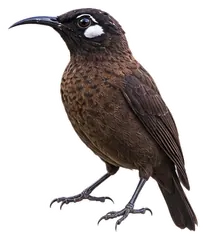 White-eared MyzaMyza sarasinorum
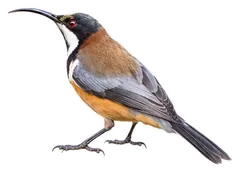 Eastern SpinebillAcanthorhynchus tenuirostris
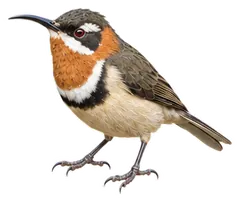 Western SpinebillAcanthorhynchus superciliosus
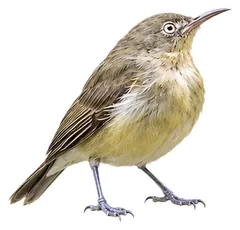 Green-backed HoneyeaterGlycichaera fallax
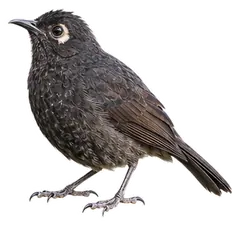 Sooty HoneyeaterMelionyx fuscus
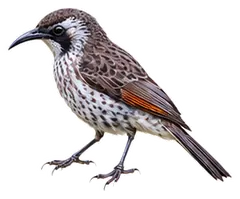
Download illustration
Free to use with credit: “Illustration: Bird Album (birdalbum.com)”. Drawn by AI from a reference photo by lancelot239. ↗
Heard it but can't see it? Mingji identifies birds by sound and photo, on your phone.
In other languages
- EnglishWestern Wattlebird
- 简体中文小垂蜜鸟
- 繁體中文西方垂蜜鳥
- 日本語ギンホオミツスイ
- DeutschZwerghonigfresser
- FrançaisMéliphage mineur
- EspañolMielero lunulado
- Portuguêspapa-mel-lunulado
- ItalianoBargigliuto minore
- NederlandsWestelijke Lelhoningeter
- РусскийТемнозобый серёжкоух
- Svenskadryandrahonungsfågel
- DanskLille Honningæder
- Polskikoralicowiec mały