 Bird Album
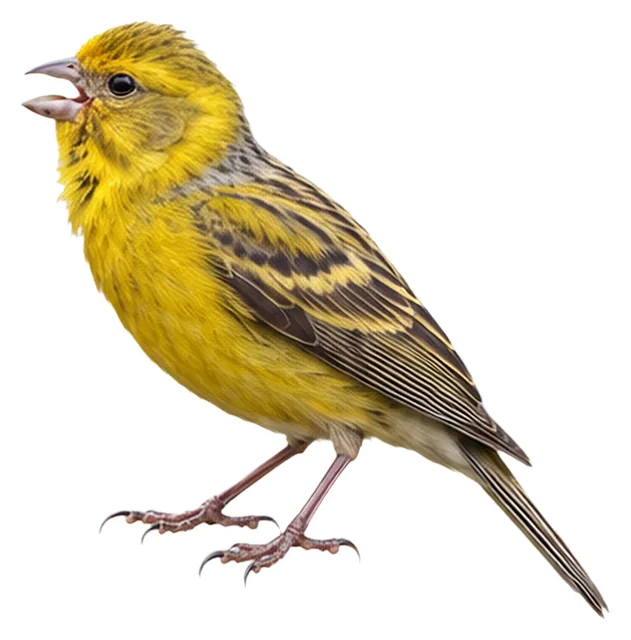
Atlantic Canary
Serinus canaria (Linnaeus, 1758)
24 gWeight
The Atlantic canary (Serinus canaria), known worldwide simply as the wild canary and also called the island canary, common canary, or canary, is a small passerine bird belonging to the genus Serinus in the true finch family, Fringillidae.
Busiest months: January and October · Most records: Portugal, U.S. Outlying Islands, Spain
Where and when it's recorded
Busiest months: January and October · Most records: Portugal, U.S. Outlying Islands, Spain

Atlantic Canary has been recorded at 38 of the 8,276 birding hotspots we track, in 13 countries and regions.
Records by month Northern Hemisphere
Where it's recorded most
- Paul do Cabo da PraiaPortugal2,263 records
- Paul da Praia da VitóriaPortugal1,249 records
- Charca de MaspalomasSpain791 records
More places
- Midway Atoll – Water Catchment AreaU.S. Outlying Islands686 records
- Midway Atoll NWR – Sand IslandU.S. Outlying Islands578 records
- Midway Atoll – Brackish SeepU.S. Outlying Islands160 records
- Midway Atoll – Cargo PierU.S. Outlying Islands20 records
- Midway Atoll NWR – Frigate PointU.S. Outlying Islands14 records
- Midway Atoll – NAF Hangar areaU.S. Outlying Islands12 records
- Midway Atoll – Spit IslandU.S. Outlying Islands12 records
Countries and regions with the most records
eBird records via GBIF up to 2024-12-31. A record means someone listed it; more records partly mean more birders, not more birds.
About
The Atlantic canary (Serinus canaria), known worldwide simply as the wild canary and also called the island canary, common canary, or canary, is a small passerine bird belonging to the genus Serinus in the true finch family, Fringillidae. It is native to the Canary Islands, the Azores, and Madeira. Wild birds are mostly yellow-green, with brownish streaking on the back.
Excerpt from Wikipedia, CC BY-SA 4.0 · authors · Read more on Wikipedia
Questions
How big is the Atlantic Canary?
The Atlantic Canary weighs around 24 g.
Where does the Atlantic Canary live?
Its breeding range: Africa: insular southwestern Palearctic in all habitats: Azores, Madeira and western, central Canary Islands (northwestern to central Macaronesia, northwest of northern Africa). It is most often recorded in Portugal, U.S. Outlying Islands and Spain.
When is the best time to see the Atlantic Canary?
At the hotspots we track, it is recorded most in January and October (Northern Hemisphere).
Is the Atlantic Canary endangered?
The IUCN Red List classifies the Atlantic Canary as Least Concern.
What does the Atlantic Canary eat?
Main food: Seeds.
What family is the Atlantic Canary in?
It belongs to the family Finches, Euphonias (Fringillidae), order Passerines (Passeriformes).
At a glance
- Weight
- 24 g
- Habitat
- Woodland
- Diet
- Seeds
- Lifestyle
- Varied
- Migration
- Resident (barely migrates)
- Conservation
- Least Concern
More measurements
- Wing
- 71 mm
- Tail
- 58 mm
- Bill
- 12 mm
- Tarsus
- 17 mm
Averages from the AVONET dataset; length from field guides where available.
Range
Africa: insular southwestern Palearctic in all habitats: Azores, Madeira and western, central Canary Islands (northwestern to central Macaronesia, northwest of northern Africa)
Breeding range, IOC World Bird List 15.2
Classification
- Order
- Passerines Passeriformes
- Family
- Finches, Euphonias Fringillidae
- Genus
- Serinus
Other birds in the genus Serinus
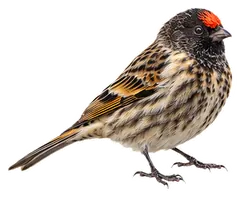 Red-fronted SerinSerinus pusillus
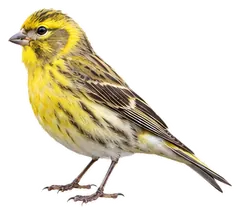 European SerinSerinus serinus
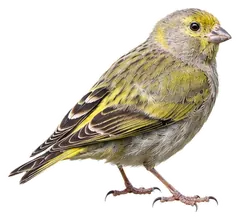 Syrian SerinSerinus syriacus
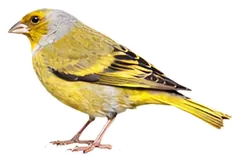 Cape CanarySerinus canicollis
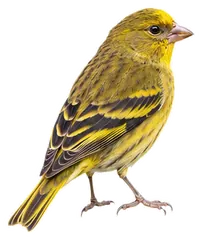 Yellow-crowned CanarySerinus flavivertex
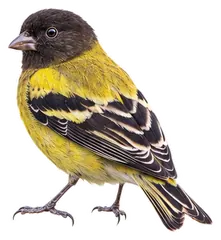 Ethiopian SiskinSerinus nigriceps
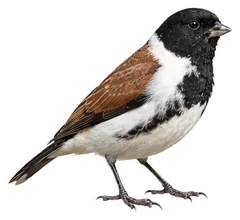 Black-headed CanarySerinus alario
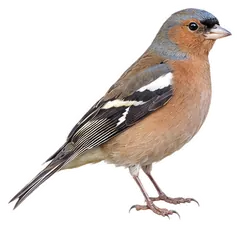 Eurasian ChaffinchFringilla coelebs
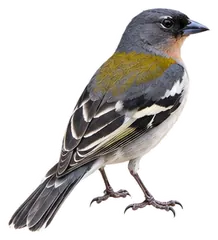 African ChaffinchFringilla spodiogenys
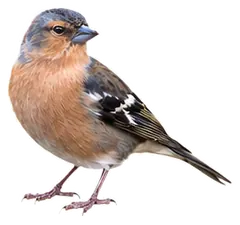 Azores ChaffinchFringilla moreletti
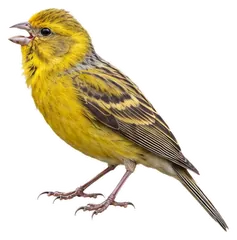
Download illustration
Free to use with credit: “Illustration: Bird Album (birdalbum.com)”. Drawn by AI from a reference photo by Leif Moritz. ↗
Heard it but can't see it? Mingji identifies birds by sound and photo, on your phone.