 Bird Album
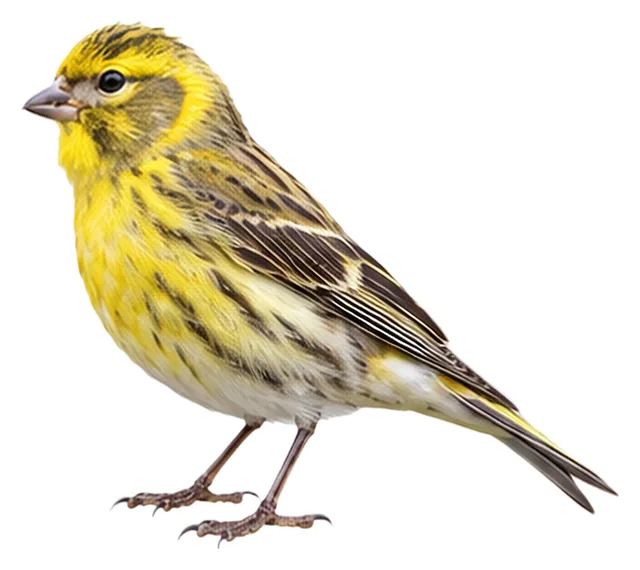
European Serin
Serinus serinus (Linnaeus, 1766)
11–12 cmLength11 gWeight
The European serin, or simply the serin (Serinus serinus), is the smallest species of the family of finches (Fringillidae) and is closely related to the Atlantic canary.
Busiest months: April · Most records: Spain, Portugal, France
Where and when it's recorded
Busiest months: April · Most records: Spain, Portugal, France

European Serin has been recorded at 865 of the 8,276 birding hotspots we track, in 58 countries and regions.
Records by month Northern Hemisphere
Where it's recorded most
- Desembocadura del Guadalhorce – ÁreaSpain3,448 records
- Zamora – Río DueroSpain1,870 records
- Urdaibai RB – bird center y laguna de OruetaSpain1,601 records
More places
- Marjal dels Moros – ÁreaSpain1,460 records
- Sureste PNat – Soto de las JuntasSpain1,426 records
- Parque El Retiro-MadridSpain1,420 records
- Lezíria Grande de Vila Franca de Xira – área geralPortugal1,303 records
- Madrid – Parque Forestal ValdebebasSpain1,282 records
- Aiguamolls de Molins de ReiSpain1,275 records
- Sureste PNat – Miralrío, Velilla de San AntonioSpain1,273 records
Countries and regions with the most records
eBird records via GBIF up to 2024-12-31. A record means someone listed it; more records partly mean more birders, not more birds.
About
The European serin, or simply the serin (Serinus serinus), is the smallest species of the family of finches (Fringillidae) and is closely related to the Atlantic canary. Its diet consists mainly of a combination of buds and seeds.
Excerpt from Wikipedia, CC BY-SA 4.0 · authors · Read more on Wikipedia
Questions
How big is the European Serin?
The European Serin is about 11–12 cm long and weighs around 11 g.
Where does the European Serin live?
Its breeding range: Palearctic, Africa: temperate to subtropical western Palearctic in woods, gardens, scrub: northern France to far southern Scandinavia and to northern Estonia and far western Russia; south to Iberian Peninsula, Tenerife and Gran Canaria (central Canary Islands, Macaronesia, west of northern Africa) and Morocco to western Libya (northwestern, north-central Africa) through Mediterranean to Turkey and Cyprus. It is most often recorded in Spain, Portugal and France.
When is the best time to see the European Serin?
At the hotspots we track, it is recorded most in April (Northern Hemisphere).
Is the European Serin endangered?
The IUCN Red List classifies the European Serin as Least Concern.
What does the European Serin eat?
Main food: Seeds.
What family is the European Serin in?
It belongs to the family Finches, Euphonias (Fringillidae), order Passerines (Passeriformes).
At a glance
- Length
- 11–12 cm
- Weight
- 11 g
- Habitat
- Forest
- Diet
- Seeds
- Lifestyle
- Varied
- Migration
- Partial migrant
- Conservation
- Least Concern
More measurements
- Wing
- 71 mm
- Tail
- 46 mm
- Bill
- 9 mm
- Tarsus
- 14 mm
Averages from the AVONET dataset; length from field guides where available.
Range
Palearctic, Africa: temperate to subtropical western Palearctic in woods, gardens, scrub: northern France to far southern Scandinavia and to northern Estonia and far western Russia; south to Iberian Peninsula, Tenerife and Gran Canaria (central Canary Islands, Macaronesia, west of northern Africa) and Morocco to western Libya (northwestern, north-central Africa) through Mediterranean to Turkey and Cyprus
Breeding range, IOC World Bird List 15.2
Classification
- Order
- Passerines Passeriformes
- Family
- Finches, Euphonias Fringillidae
- Genus
- Serinus
Other birds in the genus Serinus
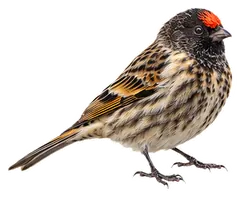 Red-fronted SerinSerinus pusillus
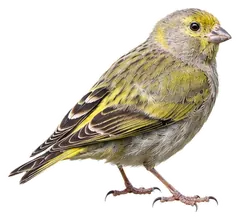 Syrian SerinSerinus syriacus
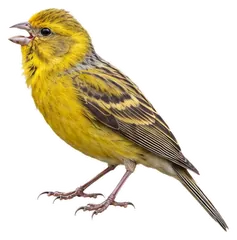 Atlantic CanarySerinus canaria
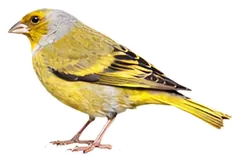 Cape CanarySerinus canicollis
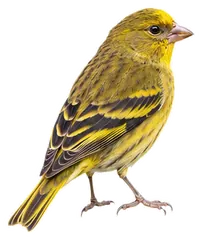 Yellow-crowned CanarySerinus flavivertex
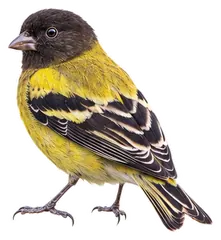 Ethiopian SiskinSerinus nigriceps
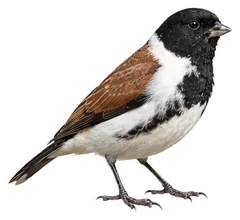 Black-headed CanarySerinus alario
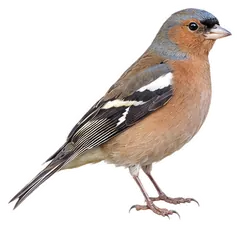 Eurasian ChaffinchFringilla coelebs
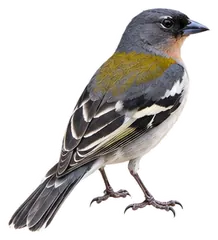 African ChaffinchFringilla spodiogenys
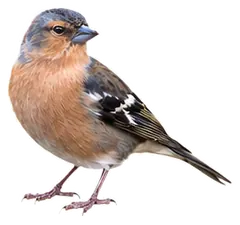 Azores ChaffinchFringilla moreletti
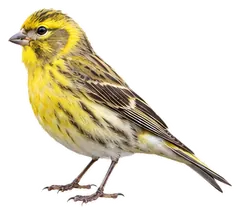
Download illustration
Free to use with credit: “Illustration: Bird Album (birdalbum.com)”. Drawn by AI from a reference photo by Giuseppe Citino. ↗
Heard it but can't see it? Mingji identifies birds by sound and photo, on your phone.