 Bird Album
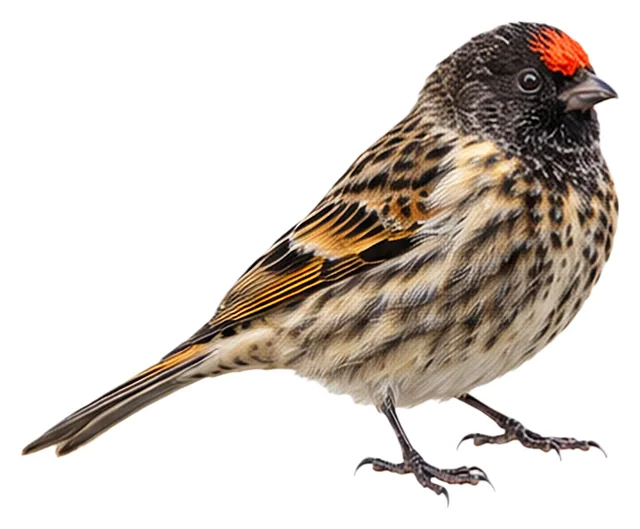
Red-fronted Serin
Serinus pusillus (Pallas, 1811)
11–12 cmLength12 gWeight
This small finch has a red forehead and a smoky-black forebody, and forages in small flocks among thistles in the non-breeding season.
Busiest months: May · Most records: Georgia, Kazakhstan, China
How to identify
Field marks
- Forehead red
- Forebody, including head and breast, smoky-black
- Very small, with a body length of 11–12 cm
Male, female and young
Juvenile has a pale yellowish-brown head.
Voice
A rapid, shrill “titihihihihihi”.
Where and when it's recorded
Busiest months: May · Most records: Georgia, Kazakhstan, China

Red-fronted Serin has been recorded at 55 of the 8,276 birding hotspots we track, in 13 countries and regions.
Records by month Northern Hemisphere
Where it's recorded most
- Mt. Kuro slopesGeorgia490 records
- Ile Alatau NP – Big Almaty LakeKazakhstan141 records
- Ile-Alatau NP – Tien-Shan Astronomical ObservatoryKazakhstan77 records
More places
- Ile-Alatau NPKazakhstan70 records
- West Aspen ValleyChina68 records
- Besh Barmag bottleneckAzerbaijan56 records
- Ponichala ReserveGeorgia44 records
- Kumisi ReservoirGeorgia29 records
- Aras Kuş Halkalama İstasyonuTürkiye26 records
- PangotIndia26 records
Countries and regions with the most records
eBird records via GBIF up to 2024-12-31. A record means someone listed it; more records partly mean more birders, not more birds.
About
The red-fronted serin or fire-fronted serin (Serinus pusillus) is a small passerine bird in the finch family Fringillidae. It prefers high mountain regions and is 11–12 cm (4.3–4.7 in) long.
Excerpt from Wikipedia, CC BY-SA 4.0 · authors · Read more on Wikipedia
Questions
How big is the Red-fronted Serin?
The Red-fronted Serin is about 11–12 cm long and weighs around 12 g.
Where does the Red-fronted Serin live?
Its breeding range: Palearctic: south-central temperate Palearctic in montane forest edge and alpine scrub: Turkey and Caucasus through northern Iran and southern Turkmenistan, Afghanistan, Tajikistan, Kyrgyzstan and southeastern Kazakhstan to northwestern Xinjiang (northwestern China) and southwestern Mongolia; in south to south-central Iran, northern Baluchistan (north-central Pakistan) and western Himalayas to southwestern Tibet and west-central Nepal. It is most often recorded in Georgia, Kazakhstan and China.
When is the best time to see the Red-fronted Serin?
At the hotspots we track, it is recorded most in May (Northern Hemisphere).
Is the Red-fronted Serin endangered?
The IUCN Red List classifies the Red-fronted Serin as Least Concern.
What does the Red-fronted Serin eat?
Main food: Seeds.
What family is the Red-fronted Serin in?
It belongs to the family Finches, Euphonias (Fringillidae), order Passerines (Passeriformes).
At a glance
- Length
- 11–12 cm
- Weight
- 12 g
- Habitat
- Rocky terrain
- Diet
- Seeds
- Lifestyle
- Active on the ground
- Migration
- Partial migrant
- Conservation
- Least Concern
More measurements
- Wing
- 73 mm
- Tail
- 51 mm
- Bill
- 10 mm
- Tarsus
- 14 mm
Averages from the AVONET dataset; length from field guides where available.
Range
Palearctic: south-central temperate Palearctic in montane forest edge and alpine scrub: Turkey and Caucasus through northern Iran and southern Turkmenistan, Afghanistan, Tajikistan, Kyrgyzstan and southeastern Kazakhstan to northwestern Xinjiang (northwestern China) and southwestern Mongolia; in south to south-central Iran, northern Baluchistan (north-central Pakistan) and western Himalayas to southwestern Tibet and west-central Nepal
Breeding range, IOC World Bird List 15.2
Classification
- Order
- Passerines Passeriformes
- Family
- Finches, Euphonias Fringillidae
- Genus
- Serinus
Other birds in the genus Serinus
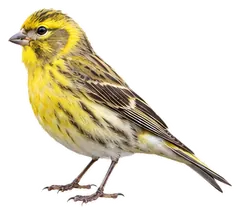 European SerinSerinus serinus
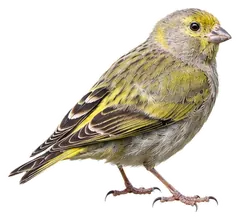 Syrian SerinSerinus syriacus
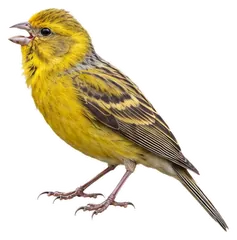 Atlantic CanarySerinus canaria
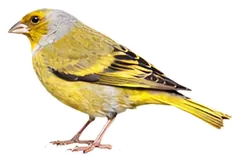 Cape CanarySerinus canicollis
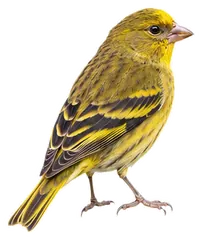 Yellow-crowned CanarySerinus flavivertex
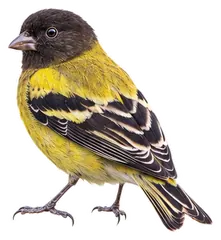 Ethiopian SiskinSerinus nigriceps
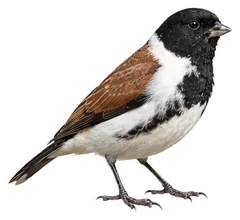 Black-headed CanarySerinus alario
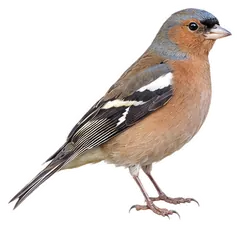 Eurasian ChaffinchFringilla coelebs
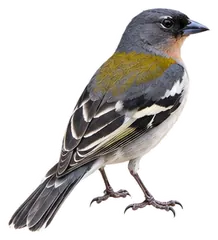 African ChaffinchFringilla spodiogenys
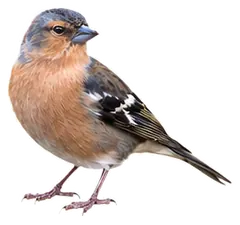 Azores ChaffinchFringilla moreletti
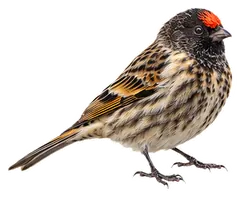
Download illustration
Free to use with credit: “Illustration: Bird Album (birdalbum.com)”. Drawn by AI from a reference photo by Vyacheslav Luzanov. ↗
Heard it but can't see it? Mingji identifies birds by sound and photo, on your phone.
In other languages
- EnglishRed-fronted Serin
- 简体中文金额丝雀
- 繁體中文金額絲雀
- 日本語ベニヒタイセリン
- DeutschRotstirngirlitz
- FrançaisSerin à front d’or
- EspañolSerín frentirrojo
- Portuguêsmilheirinha-de-testa-vermelha
- ItalianoVerzellino fronterossa
- NederlandsRoodvoorhoofdkanarie
- РусскийКрасношапочный вьюрок
- Svenskarödpannad gulhämpling
- DanskRødpandet Irisk
- Polskikulczyk królewski