 Bird Album
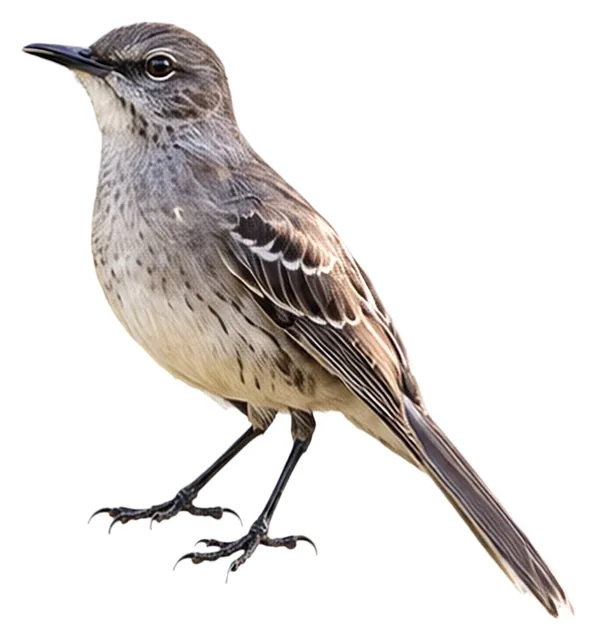
Bahama Mockingbird
Mimus gundlachii Cabanis, 1855
28 cmLength67 gWeight
The Bahama mockingbird (Mimus gundlachii) is a species of bird in the family Mimidae.
Busiest months: March · Most records: Bahamas, Cuba, Turks & Caicos Islands
Where and when it's recorded

Bahama Mockingbird has been recorded at 32 of the 8,171 birding hotspots we track, in 5 countries and regions.
Records by month Northern Hemisphere
Where it's recorded most
- The Retreat National ParkBahamas249 records
- Gerace Research CenterBahamas211 records
- Cayo GuillermoCuba111 records
More places
- Cayo CocoCuba109 records
- Cayo Paredon GrandeCuba97 records
- Pine CayTurks & Caicos Islands80 records
- Lake West of Bridge road opposite Lighthouse roadBahamas60 records
- Water CayTurks & Caicos Islands49 records
- Lakeview Drive PondsBahamas41 records
- Fort De Soto ParkUnited States40 records
Countries and regions with the most records
eBird records via GBIF up to 2024-12-31. A record means someone listed it; more records partly mean more birders, not more birds.
About
The Bahama mockingbird (Mimus gundlachii) is a species of bird in the family Mimidae. It is found in the Bahamas, Cuba, Jamaica and the Turks and Caicos Islands, and is a vagrant to Florida.
Excerpt from Wikipedia, CC BY-SA 4.0 · authors · Read more on Wikipedia
Questions
How big is the Bahama Mockingbird?
The Bahama Mockingbird is about 28 cm long and weighs around 67 g.
Where does the Bahama Mockingbird live?
Its breeding range: North America: Bahamas and Jamaica. It is most often recorded in Bahamas, Cuba and Turks & Caicos Islands.
When is the best time to see the Bahama Mockingbird?
At the hotspots we track, it is recorded most in March (Northern Hemisphere).
Is the Bahama Mockingbird endangered?
The IUCN Red List classifies the Bahama Mockingbird as Least Concern.
What does the Bahama Mockingbird eat?
Main food: Omnivore.
What family is the Bahama Mockingbird in?
It belongs to the family Mockingbirds, Thrashers (Mimidae), order Passerines (Passeriformes).
At a glance
- Length
- 28 cm
- Weight
- 67 g
- Habitat
- Shrubland
- Diet
- Omnivore
- Lifestyle
- Varied
- Migration
- Resident (barely migrates)
- Conservation
- Least Concern
More measurements
- Wing
- 111 mm
- Tail
- 120 mm
- Bill
- 25 mm
- Tarsus
- 38 mm
Averages from the AVONET dataset; length from field guides where available.
Range
North America: Bahamas and Jamaica
Breeding range, IOC World Bird List 15.2
Classification
- Order
- Passerines Passeriformes
- Family
- Mockingbirds, Thrashers Mimidae
- Genus
- Mimus
Other birds in the genus Mimus
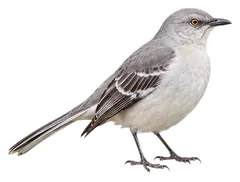 Northern MockingbirdMimus polyglottos
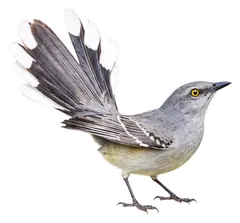 Tropical MockingbirdMimus gilvus
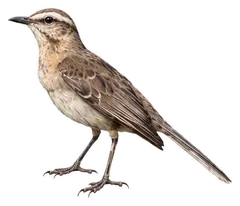 Chilean MockingbirdMimus thenca
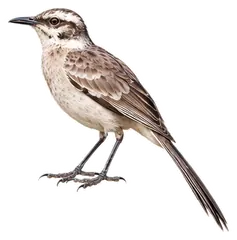 Long-tailed MockingbirdMimus longicaudatus
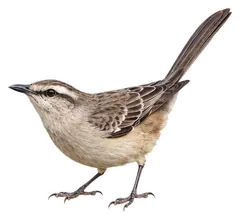 Chalk-browed MockingbirdMimus saturninus
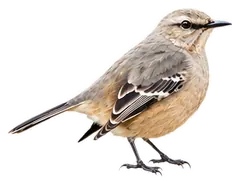 Patagonian MockingbirdMimus patagonicus
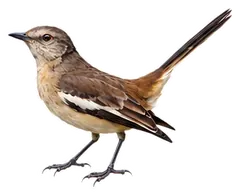 White-banded MockingbirdMimus triurus
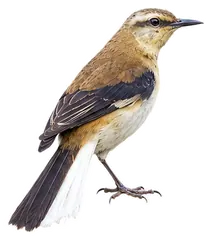 Brown-backed MockingbirdMimus dorsalis
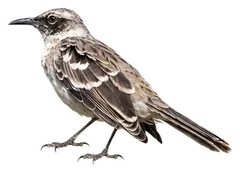 Galapagos MockingbirdMimus parvulus
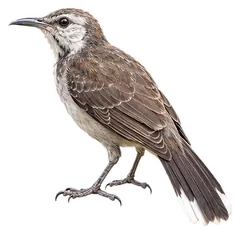 Floreana MockingbirdMimus trifasciatus
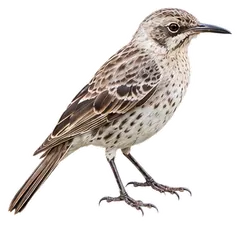 Espanola MockingbirdMimus macdonaldi
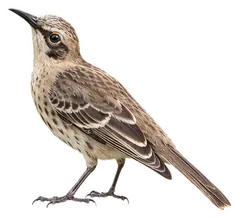 San Cristobal MockingbirdMimus melanotis
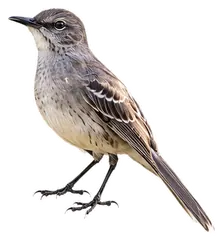
Download illustration
Free to use with credit: “Illustration: Bird Album (birdalbum.com)”. Drawn by AI from a reference photo by Laura Gooch. ↗
Heard it but can't see it? Mingji identifies birds by sound and photo, on your phone.
In other languages
- EnglishBahama Mockingbird
- 简体中文巴哈马小嘲鸫
- 繁體中文巴哈馬小嘲鶇
- 日本語バハママネシツグミ
- DeutschGundlachspottdrossel
- FrançaisMoqueur des Bahamas
- EspañolSinsonte de las Bahamas
- Portuguêssabiá-das-baamas
- ItalianoMimo delle Bahama
- NederlandsBahamaspotlijster
- РусскийБагамский пересмешник
- Svenskabahamahärmtrast
- DanskBahama Spottedrossel
- Polskiprzedrzeźniacz karaibski