 Bird Album
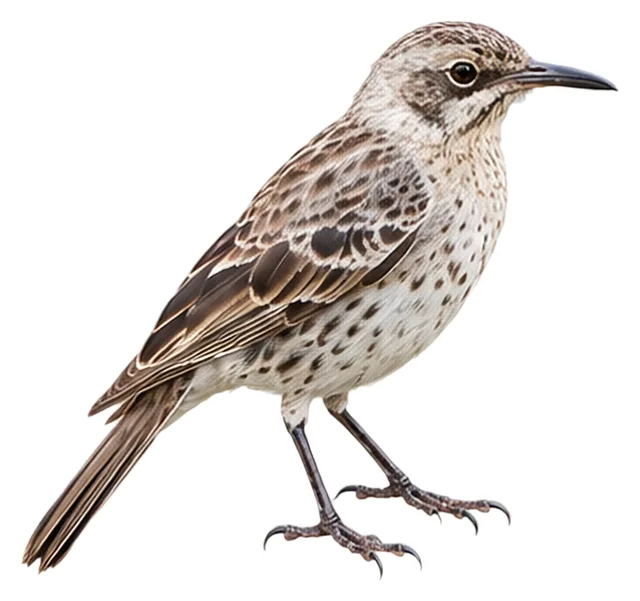
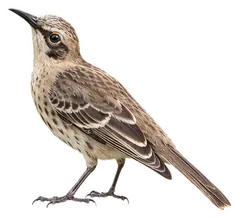
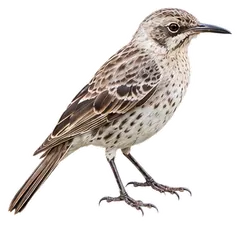
Espanola Mockingbird
Mimus macdonaldi (Ridgway, 1890)
70 gWeight
The Española mockingbird (Mimus macdonaldi), also known as the Hood mockingbird, is a species of bird in the family Mimidae.
Busiest months: June–July · Most records: Ecuador
Where and when it's recorded

Espanola Mockingbird has been recorded at 1 of the 8,171 birding hotspots we track, in 1 country or region.
Records by month Southern Hemisphere
Where it's recorded most
- Española – Punta SuárezEcuador1,395 records
Countries and regions with the most records
eBird records via GBIF up to 2024-12-31. A record means someone listed it; more records partly mean more birders, not more birds.
About
The Española mockingbird (Mimus macdonaldi), also known as the Hood mockingbird, is a species of bird in the family Mimidae. It is endemic to Española Island in the Galápagos Islands, Ecuador, and it is one of four closely related mockingbird species endemic to the Galápagos archipelago. It is found in dry forests and is omnivorous, though it primarily is a carnivore or scavenger.
Excerpt from Wikipedia, CC BY-SA 4.0 · authors · Read more on Wikipedia
Questions
How big is the Espanola Mockingbird?
The Espanola Mockingbird weighs around 70 g.
Where does the Espanola Mockingbird live?
Its breeding range: South America: Española and Gardner de Española islands (southeastern Galápagos). It is most often recorded in Ecuador.
When is the best time to see the Espanola Mockingbird?
At the hotspots we track, it is recorded most in June and July (Southern Hemisphere).
Is the Espanola Mockingbird endangered?
The IUCN Red List classifies the Espanola Mockingbird as Vulnerable.
What does the Espanola Mockingbird eat?
Main food: Omnivore.
What family is the Espanola Mockingbird in?
It belongs to the family Mockingbirds, Thrashers (Mimidae), order Passerines (Passeriformes).
At a glance
- Weight
- 70 g
- Habitat
- Shrubland
- Diet
- Omnivore
- Lifestyle
- Varied
- Migration
- Resident (barely migrates)
- Conservation
- Vulnerable
More measurements
- Wing
- 116 mm
- Tail
- 108 mm
- Bill
- 37 mm
- Tarsus
- 37 mm
Averages from the AVONET dataset; length from field guides where available.
Range
South America: Española and Gardner de Española islands (southeastern Galápagos)
Breeding range, IOC World Bird List 15.2
Classification
- Order
- Passerines Passeriformes
- Family
- Mockingbirds, Thrashers Mimidae
- Genus
- Mimus
Other birds in the genus Mimus
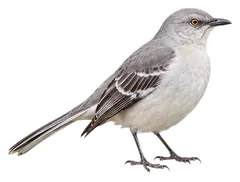 Northern MockingbirdMimus polyglottos
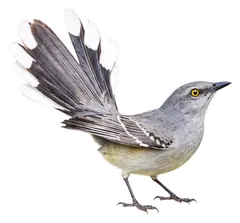 Tropical MockingbirdMimus gilvus
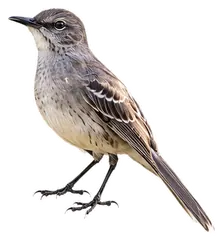 Bahama MockingbirdMimus gundlachii
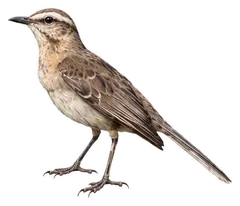 Chilean MockingbirdMimus thenca
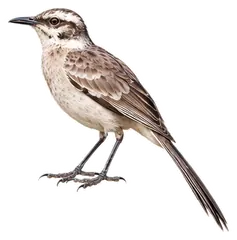 Long-tailed MockingbirdMimus longicaudatus
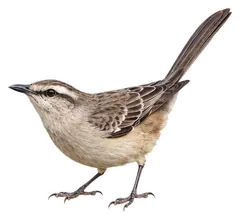 Chalk-browed MockingbirdMimus saturninus
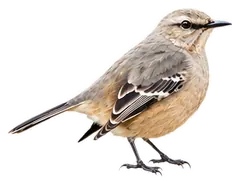 Patagonian MockingbirdMimus patagonicus
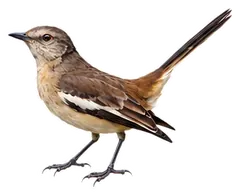 White-banded MockingbirdMimus triurus
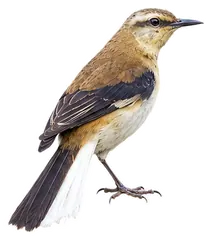 Brown-backed MockingbirdMimus dorsalis
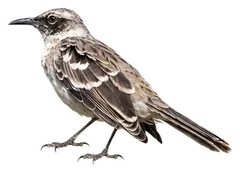 Galapagos MockingbirdMimus parvulus
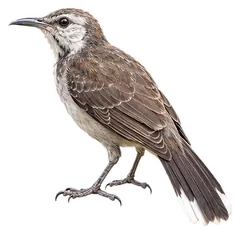 Floreana MockingbirdMimus trifasciatus
 San Cristobal MockingbirdMimus melanotis
Download illustration
Free to use with credit: “Illustration: Bird Album (birdalbum.com)”. Drawn by AI from a reference photo by Greg Lasley. ↗
Heard it but can't see it? Mingji identifies birds by sound and photo, on your phone.
In other languages
- EnglishEspanola Mockingbird
- 简体中文冠嘲鸫
- 繁體中文領嘲鶇
- 日本語フッドマネシツグミ
- DeutschEspañolaspottdrossel
- FrançaisMoqueur d’Espanola
- EspañolSinsonte de Española
- Portuguêssabiá-da-espanhola
- ItalianoMimo di Espanola
- NederlandsEspañolaspotlijster
- РусскийЭспаньольский пересмешник
- Svenskaespañolahärmtrast
- DanskEspañola Spottedrossel
- Polskiprzedrzeźniacz hakodzioby