 Bird Album
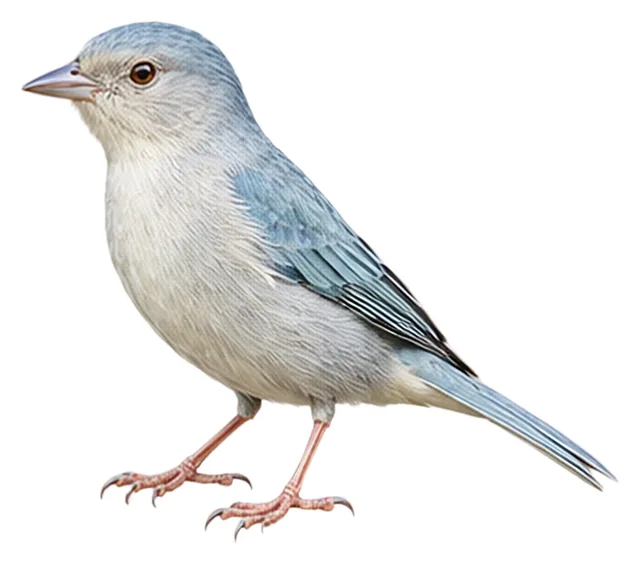
Bicolored Conebill
Conirostrum bicolor (Vieillot, 1809)
10 gWeight
The bicolored conebill (Conirostrum bicolor) is a small passerine bird.
Busiest months: December–January · Most records: Trinidad & Tobago, Colombia, Brazil
Where and when it's recorded
Busiest months: December–January · Most records: Trinidad & Tobago, Colombia, Brazil

Bicolored Conebill has been recorded at 52 of the 8,276 birding hotspots we track, in 9 countries and regions.
Records by month Northern Hemisphere
Where it's recorded most
- Via Parque Isla de Salamanca – Centro Administrativo Los CocosColombia1,141 records
- Caroni SwampTrinidad & Tobago898 records
- Peruíbe – GuaraúBrazil332 records
More places
- Isla de Coche – Laguna El SacoVenezuela215 records
- Nariva SwampTrinidad & Tobago161 records
- Orange ValleyTrinidad & Tobago111 records
- Niterói – Rio João MendesBrazil98 records
- Caroni Bird Sanctuary visitor centreTrinidad & Tobago95 records
- Asa Wright Nature CenterTrinidad & Tobago88 records
- Weg Naar ZeeSuriname47 records
Countries and regions with the most records
eBird records via GBIF up to 2024-12-31. A record means someone listed it; more records partly mean more birders, not more birds.
About
The bicolored conebill (Conirostrum bicolor) is a small passerine bird. This member of the tanager family is a resident breeder in South America from Colombia, Venezuela and Trinidad south and east to the Guianas, northeast Peru and Brazil.
Excerpt from Wikipedia, CC BY-SA 4.0 · authors · Read more on Wikipedia
Questions
How big is the Bicolored Conebill?
The Bicolored Conebill weighs around 10 g.
Where does the Bicolored Conebill live?
Its breeding range: South America: Amazonia. It is most often recorded in Trinidad & Tobago, Colombia and Brazil.
When is the best time to see the Bicolored Conebill?
At the hotspots we track, it is recorded most in January and December (Northern Hemisphere).
Is the Bicolored Conebill endangered?
The IUCN Red List classifies the Bicolored Conebill as Near Threatened.
What does the Bicolored Conebill eat?
Main food: Insects & other invertebrates.
What family is the Bicolored Conebill in?
It belongs to the family Tanagers & Allies (Thraupidae), order Passerines (Passeriformes).
At a glance
- Weight
- 10 g
- Habitat
- Woodland
- Diet
- Insects & other invertebrates
- Lifestyle
- Perches in trees
- Migration
- Resident (barely migrates)
- Conservation
- Near Threatened
More measurements
- Wing
- 62 mm
- Tail
- 47 mm
- Bill
- 14 mm
- Tarsus
- 18 mm
Averages from the AVONET dataset; length from field guides where available.
Range
South America: Amazonia
Breeding range, IOC World Bird List 15.2
Classification
- Order
- Passerines Passeriformes
- Family
- Tanagers & Allies Thraupidae
- Genus
- Conirostrum
Other birds in the genus Conirostrum
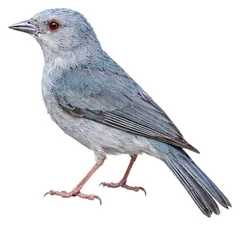 Pearly-breasted ConebillConirostrum margaritae
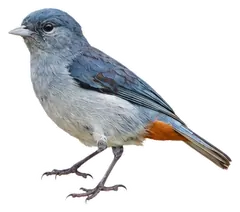 Chestnut-vented ConebillConirostrum speciosum
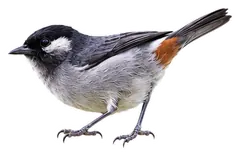 White-eared ConebillConirostrum leucogenys
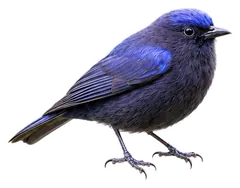 Capped ConebillConirostrum albifrons
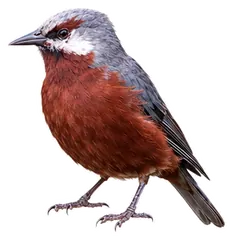 Giant ConebillConirostrum binghami
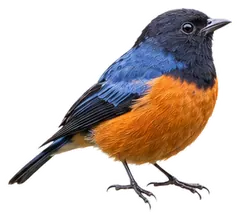 Blue-backed ConebillConirostrum sitticolor
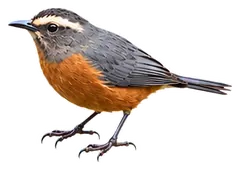 White-browed ConebillConirostrum ferrugineiventre
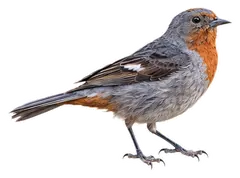 Tamarugo ConebillConirostrum tamarugense
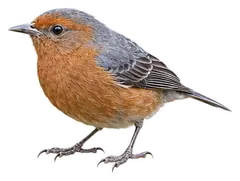 Rufous-browed ConebillConirostrum rufum
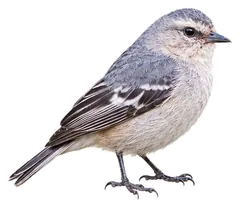 Cinereous ConebillConirostrum cinereum
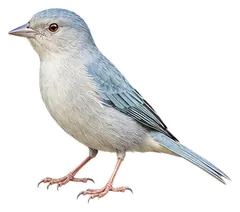
Download illustration
Free to use with credit: “Illustration: Bird Album (birdalbum.com)”. Drawn by AI from a reference photo by Ingeborg van Leeuwen. ↗
Heard it but can't see it? Mingji identifies birds by sound and photo, on your phone.
In other languages
- EnglishBicolored Conebill
- 简体中文灰黄锥嘴雀
- 繁體中文灰黃錐嘴森鶯
- 日本語セアオマルハシミツドリ
- DeutschZweifarben-Spitzschnabel
- FrançaisConirostre bicolore
- EspañolConirrostro bicolor
- Portuguêsfiguinha-do-mangue
- ItalianoConibecco bicolore
- NederlandsTweekleurige Spitssnavel
- РусскийДвухцветный конусоклюв
- Svenskablågrå kägelnäbb
- DanskBlågrå Keglenæb
- Polskiprostodziobek dwubarwny