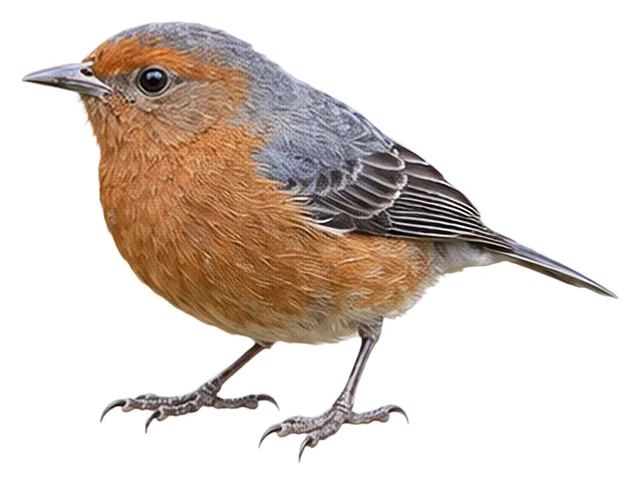
Rufous-browed Conebill
Conirostrum rufum Lafresnaye, 1843
11 gWeight
The rufous-browed conebill (Conirostrum rufum) is a species of bird in the family Thraupidae.
Busiest months: January, March and October–November · Most records: Colombia
Where and when it's recorded
Busiest months: January, March and October–November · Most records: Colombia

Rufous-browed Conebill has been recorded at 15 of the 8,276 birding hotspots we track, in 1 country or region.
Records by month Northern Hemisphere
Where it's recorded most
- Parque La FloridaColombia718 records
- PNN Sumapaz – Laguna ChisacáColombia590 records
- Parque Metropolitano Simón BolivarColombia458 records
More places
- Jardin Botánico José Celestino MutisColombia427 records
- Parque Natural ChicaqueColombia296 records
- RFP Bosque Oriental de Bogotá – Cerro MonserrateColombia276 records
- Humedal Córdoba Sector 3 / RAMSARColombia226 records
- Observatorio de ColibriesColombia120 records
- Reinita Cielo Azul ProAves ReserveColombia7 records
- Laguna El TabacalColombia3 records
Countries and regions with the most records
eBird records via GBIF up to 2024-12-31. A record means someone listed it; more records partly mean more birders, not more birds.
About
The rufous-browed conebill (Conirostrum rufum) is a species of bird in the family Thraupidae.
Excerpt from Wikipedia, CC BY-SA 4.0 · authors · Read more on Wikipedia
Questions
How big is the Rufous-browed Conebill?
The Rufous-browed Conebill weighs around 11 g.
Where does the Rufous-browed Conebill live?
Its breeding range: South America: Colombia. It is most often recorded in Colombia.
When is the best time to see the Rufous-browed Conebill?
At the hotspots we track, it is recorded most in January, March, October and November (Northern Hemisphere).
Is the Rufous-browed Conebill endangered?
The IUCN Red List classifies the Rufous-browed Conebill as Least Concern.
What does the Rufous-browed Conebill eat?
Main food: Insects & other invertebrates.
What family is the Rufous-browed Conebill in?
It belongs to the family Tanagers & Allies (Thraupidae), order Passerines (Passeriformes).
At a glance
- Weight
- 11 g
- Habitat
- Shrubland
- Diet
- Insects & other invertebrates
- Lifestyle
- Perches in trees
- Migration
- Resident (barely migrates)
- Conservation
- Least Concern
More measurements
- Wing
- 63 mm
- Tail
- 54 mm
- Bill
- 13 mm
- Tarsus
- 19 mm
Averages from the AVONET dataset; length from field guides where available.
Range
South America: Colombia
Breeding range, IOC World Bird List 15.2
Classification
- Order
- Passerines Passeriformes
- Family
- Tanagers & Allies Thraupidae
- Genus
- Conirostrum
Other birds in the genus Conirostrum
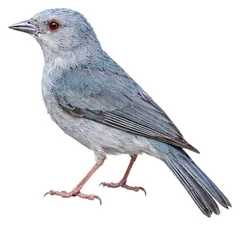 Pearly-breasted ConebillConirostrum margaritae
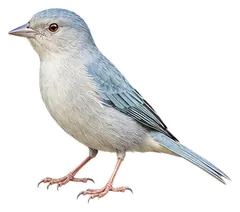 Bicolored ConebillConirostrum bicolor
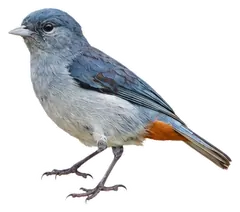 Chestnut-vented ConebillConirostrum speciosum
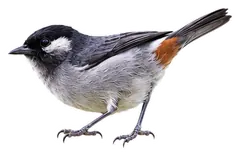 White-eared ConebillConirostrum leucogenys
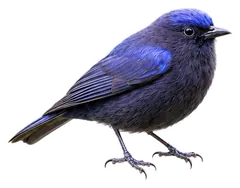 Capped ConebillConirostrum albifrons
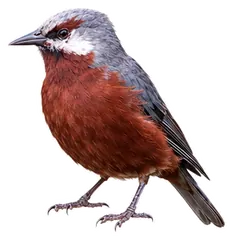 Giant ConebillConirostrum binghami
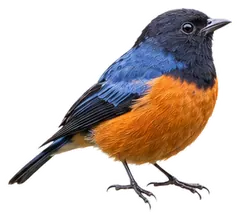 Blue-backed ConebillConirostrum sitticolor
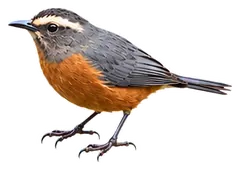 White-browed ConebillConirostrum ferrugineiventre
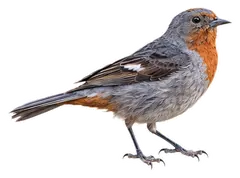 Tamarugo ConebillConirostrum tamarugense
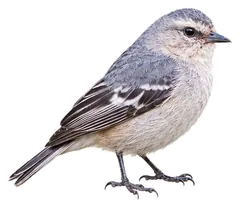 Cinereous ConebillConirostrum cinereum
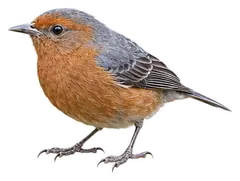
Download illustration
Free to use with credit: “Illustration: Bird Album (birdalbum.com)”. Drawn by AI from a reference photo by Christoph Moning. ↗
Heard it but can't see it? Mingji identifies birds by sound and photo, on your phone.
In other languages
- EnglishRufous-browed Conebill
- 简体中文棕眉锥嘴雀
- 繁體中文棕眉錐嘴森鶯
- 日本語アカマユマルハシミツドリ
- DeutschRotbrauen-Spitzschnabel
- FrançaisConirostre roux
- EspañolConirrostro rufo
- Portuguêsfiguinha-ruiva
- ItalianoConibecco cigliarossicce
- NederlandsRoodbrauwspitssnavel
- РусскийРыжебровый конусоклюв
- Svenskarostbrynad kägelnäbb
- DanskKastanjebuget Keglenæb
- Polskiprostodziobek rdzawy