 Bird Album
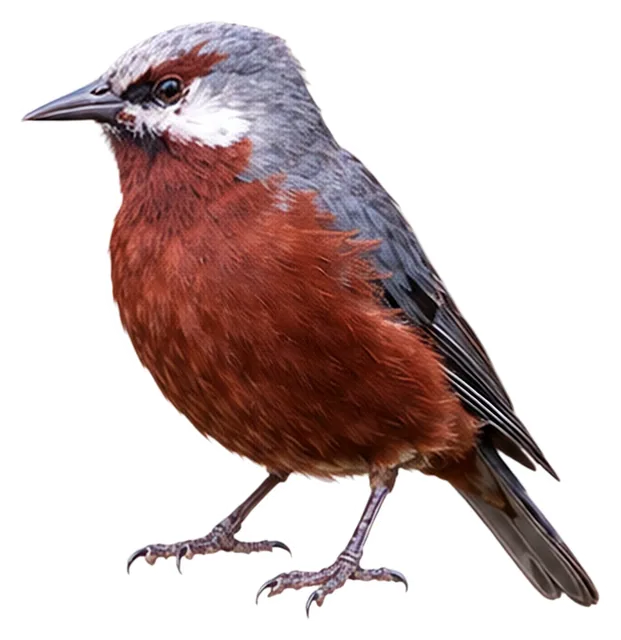
Giant Conebill
Conirostrum binghami (Chapman, 1919)
25 gWeight
The giant conebill (Conirostrum binghami) is a small passerine bird, one of the tanager family.
Busiest months: October–November · Most records: Ecuador, Peru, Bolivia
Where and when it's recorded

Giant Conebill has been recorded at 17 of the 8,171 birding hotspots we track, in 4 countries and regions.
Records by month Southern Hemisphere
Where it's recorded most
- ACP Abra Málaga Thastayoc Royal CinclodesPeru244 records
- Papallacta – La Virgen y alrededores inmediatosEcuador212 records
- San Miguel Polylepis forestBolivia107 records
More places
- Papallacta – radio antennasEcuador75 records
- Reserva YanacochaEcuador47 records
- Cerro TunariBolivia34 records
- Papallacta – hot springs and road to Cayambe-CocaEcuador20 records
- PN Lauca – Lago ChungaráChile12 records
- Guango LodgeEcuador11 records
- PN El Cajas – Laguna Llaviucu, entrada y alrededoresEcuador8 records
Countries and regions with the most records
eBird records via GBIF up to 2024-12-31. A record means someone listed it; more records partly mean more birders, not more birds.
About
The giant conebill (Conirostrum binghami) is a small passerine bird, one of the tanager family. It is closely related to the regular conebills Conirostrum though it differs in its larger size and nuthatch-like foraging habits.
Excerpt from Wikipedia, CC BY-SA 4.0 · authors · Read more on Wikipedia
Questions
How big is the Giant Conebill?
The Giant Conebill weighs around 25 g.
Where does the Giant Conebill live?
Its breeding range: South America: high Andean Colombia to Bolivia, northern Chile and northwestern Argentina. It is most often recorded in Ecuador, Peru and Bolivia.
When is the best time to see the Giant Conebill?
At the hotspots we track, it is recorded most in October and November (Southern Hemisphere).
Is the Giant Conebill endangered?
The IUCN Red List classifies the Giant Conebill as Near Threatened.
What does the Giant Conebill eat?
Main food: Insects & other invertebrates.
What family is the Giant Conebill in?
It belongs to the family Tanagers & Allies (Thraupidae), order Passerines (Passeriformes).
At a glance
- Weight
- 25 g
- Habitat
- Forest
- Diet
- Insects & other invertebrates
- Lifestyle
- Perches in trees
- Migration
- Resident (barely migrates)
- Conservation
- Near Threatened
More measurements
- Wing
- 86 mm
- Tail
- 57 mm
- Bill
- 23 mm
- Tarsus
- 21 mm
Averages from the AVONET dataset; length from field guides where available.
Range
South America: high Andean Colombia to Bolivia, northern Chile and northwestern Argentina
Breeding range, IOC World Bird List 15.2
Classification
- Order
- Passerines Passeriformes
- Family
- Tanagers & Allies Thraupidae
- Genus
- Conirostrum
Other birds in the genus Conirostrum
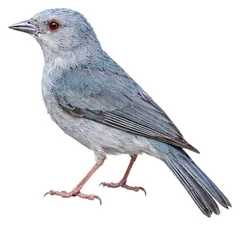 Pearly-breasted ConebillConirostrum margaritae
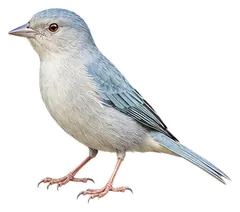 Bicolored ConebillConirostrum bicolor
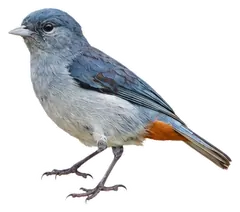 Chestnut-vented ConebillConirostrum speciosum
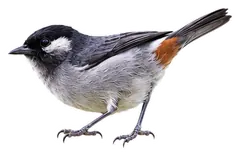 White-eared ConebillConirostrum leucogenys
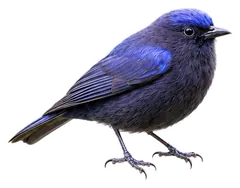 Capped ConebillConirostrum albifrons
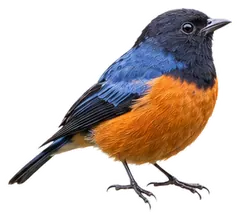 Blue-backed ConebillConirostrum sitticolor
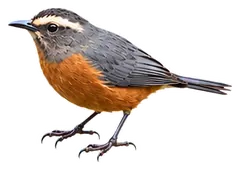 White-browed ConebillConirostrum ferrugineiventre
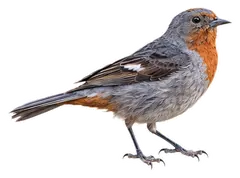 Tamarugo ConebillConirostrum tamarugense
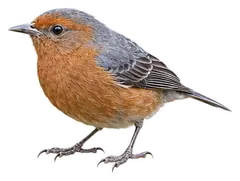 Rufous-browed ConebillConirostrum rufum
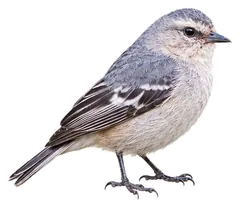 Cinereous ConebillConirostrum cinereum
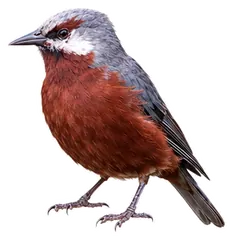
Download illustration
Free to use with credit: “Illustration: Bird Album (birdalbum.com)”. Drawn by AI from a reference photo by Stephen John Davies. ↗
Heard it but can't see it? Mingji identifies birds by sound and photo, on your phone.