 Bird Album
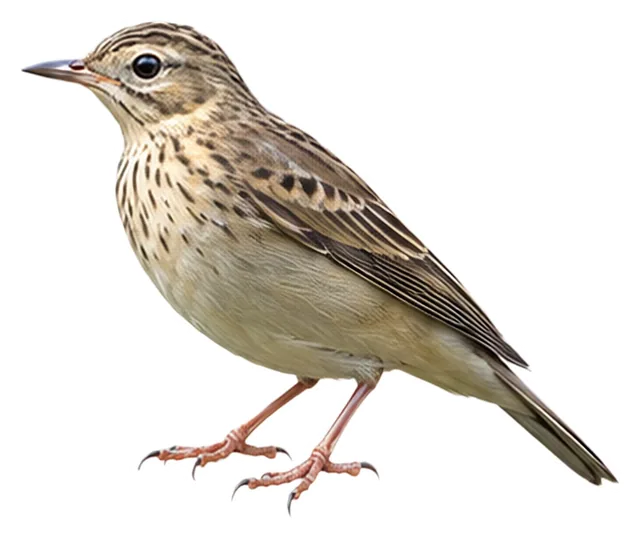
Blyth's Pipit
Anthus godlewskii (Taczanowski, 1876)
≈17 cmLength25 gWeight
It has mainly brown upperparts, pale underparts and a strong, direct flight.
Busiest months: October–January · Most records: India, Mongolia, China
How to identify
Field marks
- Upperparts mainly brown; underparts pale
- Bill dark
Voice
The typical call is like “pshee”.
Where and when it's recorded
Busiest months: October–January · Most records: India, Mongolia, China

Blyth's Pipit has been recorded at 325 of the 8,276 birding hotspots we track, in 33 countries and regions.
Records by month Northern Hemisphere
Where it's recorded most
- Hessaraghatta KereIndia320 records
- Dubai Pivot FieldsUnited Arab Emirates196 records
- Wamm FarmsUnited Arab Emirates186 records
More places
- Jayamangali Blackbuck Conservation ReserveIndia150 records
- Madayi ParaIndia125 records
- KattampallyIndia111 records
- Ma ChangChina101 records
- Ugii Lake, Ugiinuur, Arkhangai, MNMongolia99 records
- Kenjar Wetlands, MangaloreIndia92 records
- Uda Walawe NPSri Lanka91 records
Countries and regions with the most records
eBird records via GBIF up to 2024-12-31. A record means someone listed it; more records partly mean more birders, not more birds.
About
Blyth's pipit (Anthus godlewskii) is a medium-sized passerine bird which breeds in Mongolia and neighbouring areas of China, Tibet and India. It is a long distance migrant moving to open lowlands in Southern Asia. It is a very rare vagrant to western Europe.
Excerpt from Wikipedia, CC BY-SA 4.0 · authors · Read more on Wikipedia
Questions
How big is the Blyth's Pipit?
The Blyth's Pipit is about ≈17 cm long and weighs around 25 g.
Where does the Blyth's Pipit live?
Its breeding range: Palearctic: southern Russia, Mongolia and northern China. It is most often recorded in India, Mongolia and China.
When is the best time to see the Blyth's Pipit?
At the hotspots we track, it is recorded most in January, October, November and December (Northern Hemisphere).
Is the Blyth's Pipit endangered?
The IUCN Red List classifies the Blyth's Pipit as Least Concern.
What does the Blyth's Pipit eat?
Main food: Insects & other invertebrates.
What family is the Blyth's Pipit in?
It belongs to the family Wagtails, Pipits (Motacillidae), order Passerines (Passeriformes).
At a glance
- Length
- ≈17 cm
- Weight
- 25 g
- Habitat
- Rocky terrain
- Diet
- Insects & other invertebrates
- Lifestyle
- Active on the ground
- Migration
- Migratory
- Conservation
- Least Concern
More measurements
- Wing
- 90 mm
- Tail
- 71 mm
- Bill
- 15 mm
- Tarsus
- 26 mm
Averages from the AVONET dataset; length from field guides where available.
Range
Palearctic: southern Russia, Mongolia and northern China
Breeding range, IOC World Bird List 15.2
Classification
- Order
- Passerines Passeriformes
- Family
- Wagtails, Pipits Motacillidae
- Genus
- Anthus
Other birds in the genus Anthus
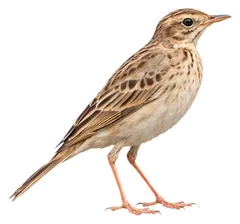 Richard's PipitAnthus richardi
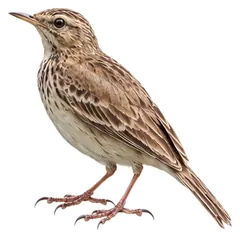 Paddyfield PipitAnthus rufulus
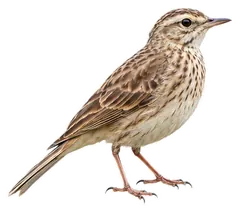 Australian PipitAnthus australis
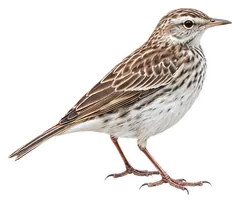 New Zealand PipitAnthus novaeseelandiae
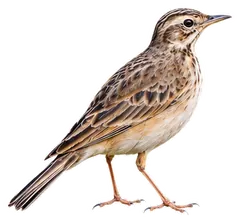 African PipitAnthus cinnamomeus
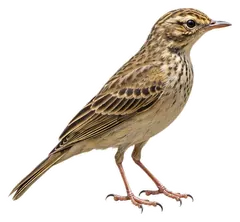 Mountain PipitAnthus hoeschi
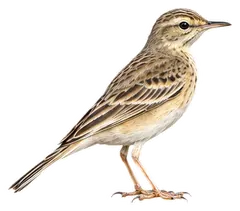 Tawny PipitAnthus campestris
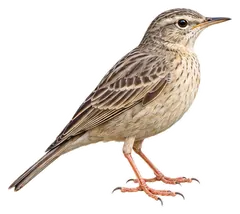 Long-billed PipitAnthus similis
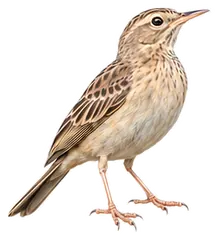 Nicholson's PipitAnthus nicholsoni
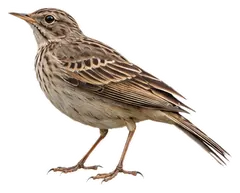 Wood PipitAnthus nyassae
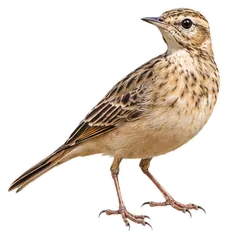 Buffy PipitAnthus vaalensis
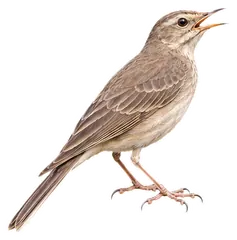 Plain-backed PipitAnthus leucophrys
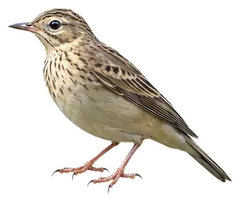
Download illustration
Free to use with credit: “Illustration: Bird Album (birdalbum.com)”. Drawn by AI from a reference photo by Prashantha Krishna M C. ↗
Heard it but can't see it? Mingji identifies birds by sound and photo, on your phone.