 Bird Album
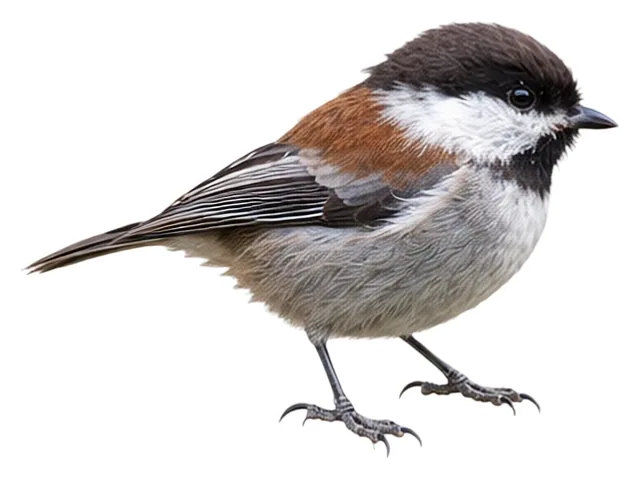
Chestnut-backed Chickadee
Poecile rufescens (Townsend, JK, 1837)
9.4 gWeight
The chestnut-backed chickadee (Poecile rufescens) is a small passerine bird in the tit family, native to western North America.
Busiest months: September · Most records: United States, Canada
Where and when it's recorded

Chestnut-backed Chickadee has been recorded at 118 of the 8,171 birding hotspots we track, in 2 countries and regions.
Records by month Northern Hemisphere
Where it's recorded most
- Discovery ParkUnited States10,091 records
- Pt. Reyes Bird Observatory – PalomarinUnited States9,915 records
- Victoria – Swan Lake Nature SanctuaryCanada9,639 records
More places
- Billy Frank Jr. Nisqually NWRUnited States7,575 records
- Rocky Point Bird ObservatoryCanada7,524 records
- Mt. Tabor ParkUnited States6,807 records
- Marymoor ParkUnited States5,858 records
- Rodeo LagoonUnited States5,400 records
- Natural Bridges SBUnited States5,295 records
- 230 Goward RdCanada5,219 records
Countries and regions with the most records
eBird records via GBIF up to 2024-12-31. A record means someone listed it; more records partly mean more birders, not more birds.
About
The chestnut-backed chickadee (Poecile rufescens) is a small passerine bird in the tit family, native to western North America.
Excerpt from Wikipedia, CC BY-SA 4.0 · authors · Read more on Wikipedia
Questions
How big is the Chestnut-backed Chickadee?
The Chestnut-backed Chickadee weighs around 9.4 g.
Where does the Chestnut-backed Chickadee live?
Its breeding range: North America: western. It is most often recorded in United States and Canada.
When is the best time to see the Chestnut-backed Chickadee?
At the hotspots we track, it is recorded most in September (Northern Hemisphere).
Is the Chestnut-backed Chickadee endangered?
The IUCN Red List classifies the Chestnut-backed Chickadee as Least Concern.
What does the Chestnut-backed Chickadee eat?
Main food: Insects & other invertebrates.
What family is the Chestnut-backed Chickadee in?
It belongs to the family Tits, Chickadees (Paridae), order Passerines (Passeriformes).
At a glance
- Weight
- 9.4 g
- Habitat
- Forest
- Diet
- Insects & other invertebrates
- Lifestyle
- Perches in trees
- Migration
- Resident (barely migrates)
- Conservation
- Least Concern
More measurements
- Wing
- 61 mm
- Tail
- 47 mm
- Bill
- 11 mm
- Tarsus
- 16 mm
Averages from the AVONET dataset; length from field guides where available.
Range
North America: western
Breeding range, IOC World Bird List 15.2
Classification
- Order
- Passerines Passeriformes
- Family
- Tits, Chickadees Paridae
- Genus
- Poecile
Other birds in the genus Poecile
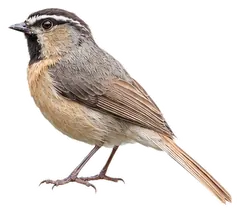 White-browed TitPoecile superciliosus
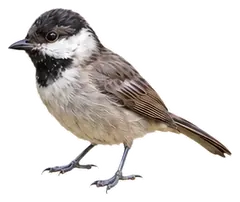 Sombre TitPoecile lugubris
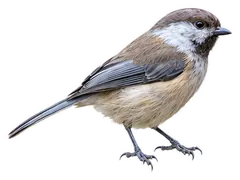 Grey-headed ChickadeePoecile cinctus
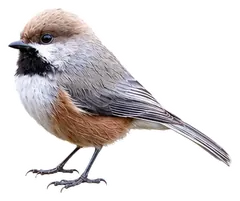 Boreal ChickadeePoecile hudsonicus
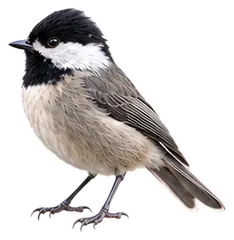 Mexican ChickadeePoecile sclateri
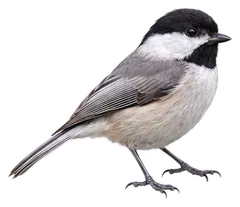 Carolina ChickadeePoecile carolinensis
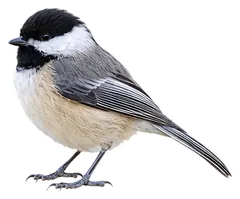 Black-capped ChickadeePoecile atricapillus
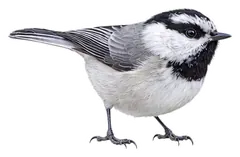 Mountain ChickadeePoecile gambeli
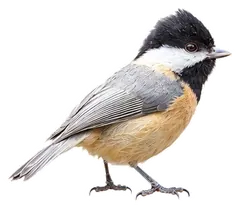 Pere David's TitPoecile davidi
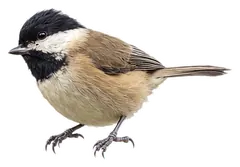 Black-bibbed TitPoecile hypermelaenus
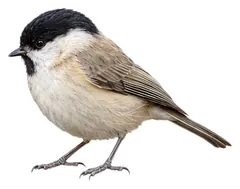 Marsh TitPoecile palustris
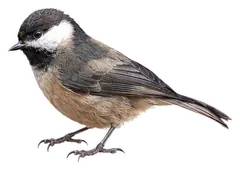 Sichuan TitPoecile weigoldicus
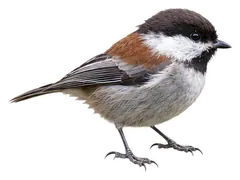
Download illustration
Free to use with credit: “Illustration: Bird Album (birdalbum.com)”. Drawn by AI from a reference photo by Maggie.Smith. ↗
Heard it but can't see it? Mingji identifies birds by sound and photo, on your phone.
In other languages
- EnglishChestnut-backed Chickadee
- 简体中文栗背山雀
- 繁體中文栗背山雀
- 日本語クロイロコガラ
- DeutschRotrückenmeise
- FrançaisMésange à dos marron
- EspañolCarbonero dorsicastaño
- Portuguêschapim-de-dorso-castanho
- ItalianoCincia dorsocastano
- NederlandsKastanjerugmees
- РусскийКаштановоспинная гаичка
- Svenskarostmes
- DanskKastanjerygget Mejse
- Polskisikora brunatna