 Bird Album
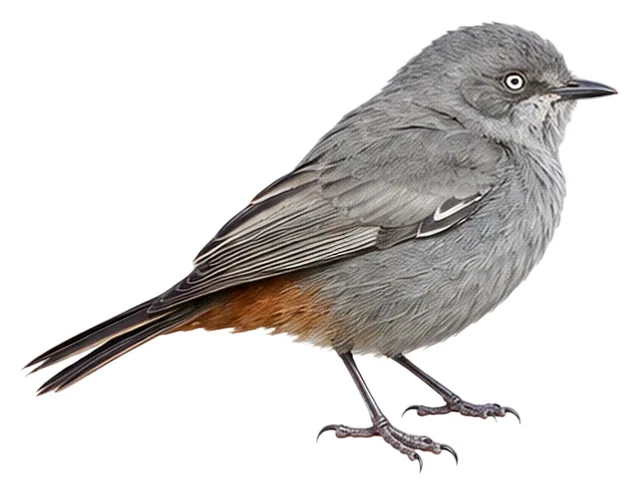
Chestnut-vented Warbler
Curruca subcoerulea (Vieillot, 1817)
14–15 cmLength15 gWeight
The chestnut-vented warbler, chestnut-vented tit-babbler or rufous-vented warbler (Curruca subcoerulea) is an Old World warbler of the family Sylviidae.
Busiest months: November · Most records: South Africa, Namibia, Botswana
Where and when it's recorded

Chestnut-vented Warbler has been recorded at 84 of the 8,276 birding hotspots we track, in 6 countries and regions.
Records by month Southern Hemisphere
Where it's recorded most
- Avis DamNamibia539 records
- Zaagkuildrift RdSouth Africa439 records
- West Coast NPSouth Africa404 records
More places
- Etosha NP – Okaukuejo CampNamibia402 records
- Spitzkoppe Nature ReserveNamibia302 records
- Suikerbosrand NRSouth Africa275 records
- Polokwane GRSouth Africa260 records
- Benfontein NRSouth Africa258 records
- Pilanesberg NPSouth Africa222 records
- Rietvlei NRSouth Africa207 records
Countries and regions with the most records
eBird records via GBIF up to 2024-12-31. A record means someone listed it; more records partly mean more birders, not more birds.
About
The chestnut-vented warbler, chestnut-vented tit-babbler or rufous-vented warbler (Curruca subcoerulea) is an Old World warbler of the family Sylviidae.
Excerpt from Wikipedia, CC BY-SA 4.0 · authors · Read more on Wikipedia
Questions
How big is the Chestnut-vented Warbler?
The Chestnut-vented Warbler is about 14–15 cm long and weighs around 15 g.
Where does the Chestnut-vented Warbler live?
Its breeding range: Africa: southern. It is most often recorded in South Africa, Namibia and Botswana.
When is the best time to see the Chestnut-vented Warbler?
At the hotspots we track, it is recorded most in November (Southern Hemisphere).
Is the Chestnut-vented Warbler endangered?
The IUCN Red List classifies the Chestnut-vented Warbler as Least Concern.
What does the Chestnut-vented Warbler eat?
Main food: Insects & other invertebrates.
What family is the Chestnut-vented Warbler in?
It belongs to the family Sylviid Babblers (Sylviidae), order Passerines (Passeriformes).
At a glance
- Length
- 14–15 cm
- Weight
- 15 g
- Habitat
- Shrubland
- Diet
- Insects & other invertebrates
- Lifestyle
- Perches in trees
- Migration
- Resident (barely migrates)
- Conservation
- Least Concern
More measurements
- Wing
- 66 mm
- Tail
- 69 mm
- Bill
- 13 mm
- Tarsus
- 20 mm
Averages from the AVONET dataset; length from field guides where available.
Range
Africa: southern
Breeding range, IOC World Bird List 15.2
Classification
- Order
- Passerines Passeriformes
- Family
- Sylviid Babblers Sylviidae
- Genus
- Curruca
Other birds in the genus Curruca
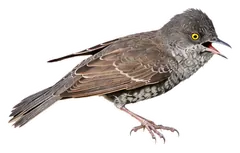 Barred WarblerCurruca nisoria
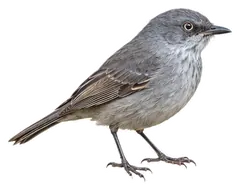 Layard's WarblerCurruca layardi
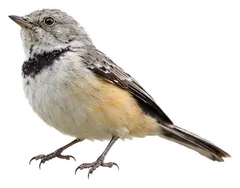 Banded ParisomaCurruca boehmi
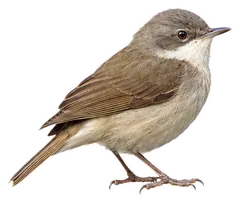 Lesser WhitethroatCurruca curruca
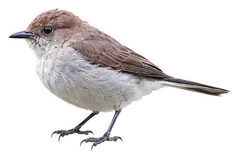 Brown ParisomaCurruca lugens
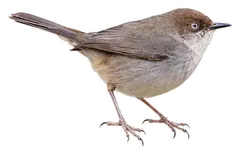 Yemen WarblerCurruca buryi
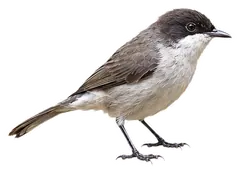 Arabian WarblerCurruca leucomelaena
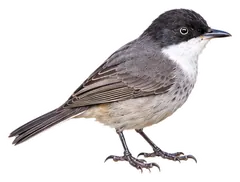 Western Orphean WarblerCurruca hortensis
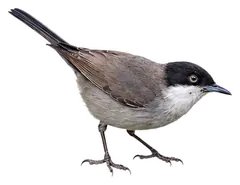 Eastern Orphean WarblerCurruca crassirostris
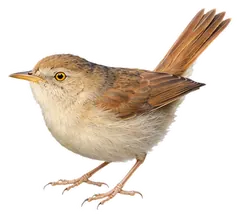 African Desert WarblerCurruca deserti
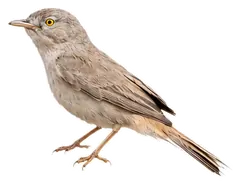 Asian Desert WarblerCurruca nana
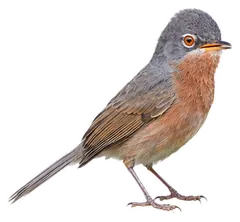 Tristram's WarblerCurruca deserticola
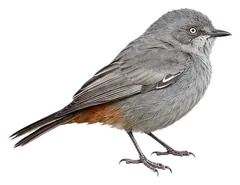
Download illustration
Free to use with credit: “Illustration: Bird Album (birdalbum.com)”. Drawn by AI from a reference photo by ianrijsdijk. ↗
Heard it but can't see it? Mingji identifies birds by sound and photo, on your phone.
In other languages
- EnglishChestnut-vented Warbler
- 简体中文棕臀林莺
- 繁體中文紅臀林鶯
- 日本語ケープカラムシクイ
- DeutschMeisengrasmücke
- FrançaisFauvette grignette
- EspañolCurruca azulada
- Portuguêsfelosa-chapim-das-matas
- ItalianoSilvia culorossiccio
- NederlandsKaapse Meeszanger
- РусскийКапская синицевая славка
- Svenskarostgumpad sångare
- DanskBrunbuget Kapsanger
- Polskipokrzewka złowroga