 Bird Album
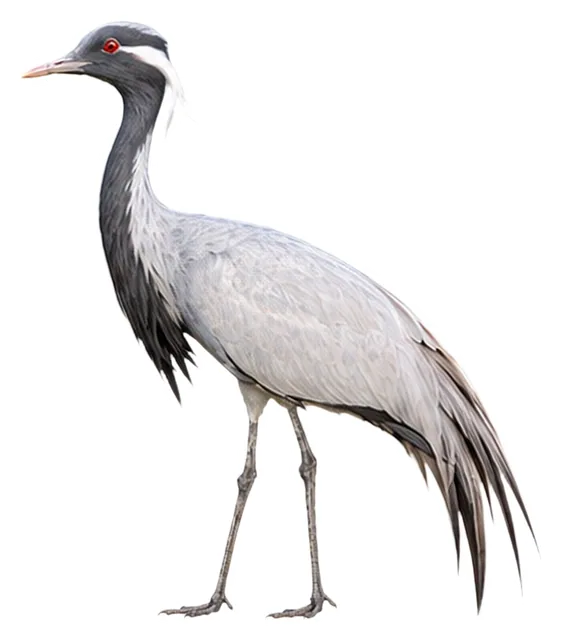
Demoiselle Crane
Grus virgo (Linnaeus, 1758)
85–100 cmLength170 cmWingspan2.4 kgWeight
Black feathers on the front of the neck hang down over the breast like a long beard.
Busiest months: May · Most records: Mongolia, India, Kazakhstan
How to identify
Field marks
- Black feathers on the front of the neck hang down over the breast
Male, female and young
Chick has pale rufous upperparts and grayish-white underparts.
Voice
Loud, trumpet-like calls, higher in pitch than those of Common Crane.
Where and when it's recorded

Demoiselle Crane has been recorded at 206 of the 8,171 birding hotspots we track, in 35 countries and regions.
Records by month Northern Hemisphere
Where it's recorded most
- Tal Chhapar SanctuaryIndia456 records
- Ugii Lake, Ugiinuur, Arkhangai, MNMongolia367 records
- Gun Galuut NRMongolia252 records
More places
- Nalsarovar Bird SanctuaryIndia214 records
- Khurkh Bird Ringing Station, Khentii, MNMongolia157 records
- Nalsarovar OutskirtsIndia155 records
- Khijadiya Bird SanctuaryIndia128 records
- Boon Tsagan NuurMongolia120 records
- Thol Bird SanctuaryIndia120 records
- Bayan Lake, Bayannuur, Bulgan, MNMongolia119 records
Countries and regions with the most records
eBird records via GBIF up to 2024-12-31. A record means someone listed it; more records partly mean more birders, not more birds.
Questions
How big is the Demoiselle Crane?
The Demoiselle Crane is about 85–100 cm long, with a wingspan of 170 cm and weighs around 2.4 kg.
Where does the Demoiselle Crane live?
Its breeding range: Palearctic: northwestern Africa, eastern Turkey, southwestern Russia to northern China. It is most often recorded in Mongolia, India and Kazakhstan.
When is the best time to see the Demoiselle Crane?
At the hotspots we track, it is recorded most in May (Northern Hemisphere).
Is the Demoiselle Crane endangered?
The IUCN Red List classifies the Demoiselle Crane as Least Concern.
What does the Demoiselle Crane eat?
Main food: Omnivore.
What family is the Demoiselle Crane in?
It belongs to the family Cranes (Gruidae), order Gruiformes.
At a glance
- Length
- 85–100 cm
- Wingspan
- 170 cm
- Weight
- 2.4 kg
- Habitat
- Grassland
- Diet
- Omnivore
- Lifestyle
- Active on the ground
- Migration
- Migratory
- Conservation
- Least Concern
More measurements
- Wing
- 485 mm
- Tail
- 175 mm
- Bill
- 70 mm
- Tarsus
- 181 mm
Averages from the AVONET dataset; length from field guides where available.
Range
Palearctic: northwestern Africa, eastern Turkey, southwestern Russia to northern China
Breeding range, IOC World Bird List 15.2
Classification
- Order
- Gruiformes
- Family
- Cranes Gruidae
- Genus
- Grus
Other birds in the genus Grus
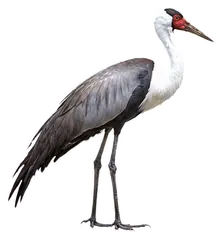 Wattled CraneGrus carunculata
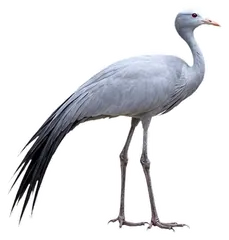 Blue CraneGrus paradisea
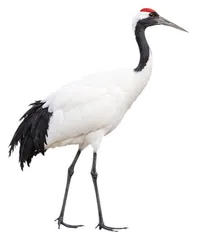 Red-crowned CraneGrus japonensis
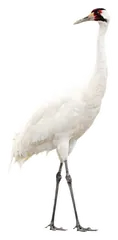 Whooping CraneGrus americana
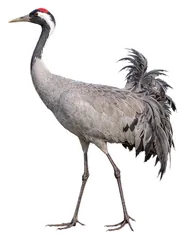 Common CraneGrus grus
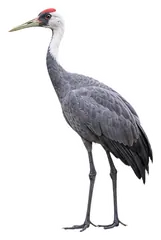 Hooded CraneGrus monacha
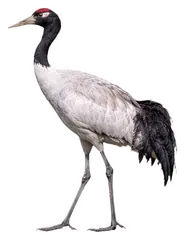 Black-necked CraneGrus nigricollis
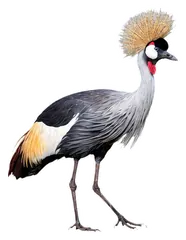 Grey Crowned CraneBalearica regulorum
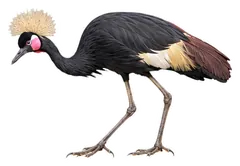 Black Crowned CraneBalearica pavonina
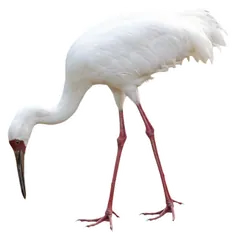 Siberian CraneLeucogeranus leucogeranus
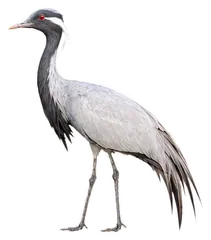
Download illustration
Free to use with credit: “Illustration: Bird Album (birdalbum.com)”. Drawn by AI from a reference photo by Avinash Bhagat. ↗
Heard it but can't see it? Mingji identifies birds by sound and photo, on your phone.