 Bird Album
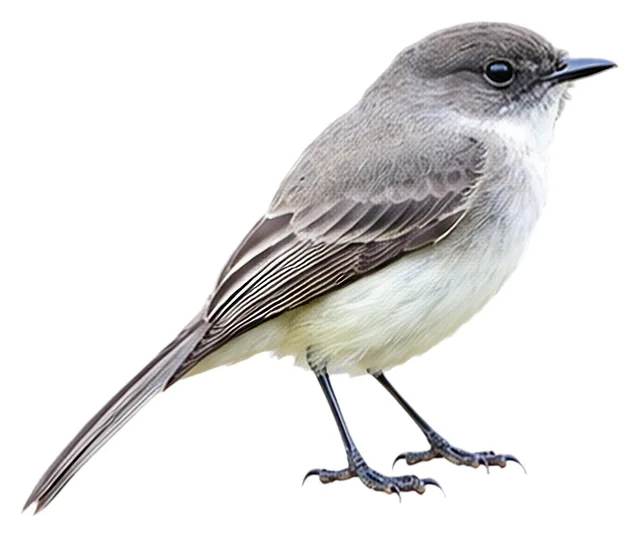
Eastern Phoebe
Sayornis phoebe (Latham, 1790)
14–17 cmLength20 gWeight
The eastern phoebe (Sayornis phoebe) is a small passerine bird.
Busiest months: April–May and October · Most records: United States, Canada, Mexico
Where and when it's recorded

Eastern Phoebe has been recorded at 667 of the 8,171 birding hotspots we track, in 8 countries and regions.
Records by month Northern Hemisphere
Where it's recorded most
- Estero Llano Grande SP WBCUnited States12,260 records
- Hornsby BendUnited States10,771 records
- Prospect ParkUnited States8,909 records
More places
- Santa Ana NWRUnited States8,806 records
- Sweetwater Wetlands ParkUnited States8,502 records
- Commons Ford Ranch Metro ParkUnited States8,283 records
- Mitchell Lake Audubon CenterUnited States7,917 records
- HUNTLEY MEADOWS PARKUnited States7,793 records
- Conestee Nature PreserveUnited States7,457 records
- Hagerman NWRUnited States7,183 records
Countries and regions with the most records
eBird records via GBIF up to 2024-12-31. A record means someone listed it; more records partly mean more birders, not more birds.
About
The eastern phoebe (Sayornis phoebe) is a small passerine bird. The genus name Sayornis is constructed from the specific part of Charles Lucien Bonaparte's name for Say's phoebe, Muscicapa saya, and Ancient Greek ornis, "bird". Phoebe is an alternative name for the Roman moon goddess Diana, but it may also have been chosen to imitate the bird's call.
Excerpt from Wikipedia, CC BY-SA 4.0 · authors · Read more on Wikipedia
Questions
How big is the Eastern Phoebe?
The Eastern Phoebe is about 14–17 cm long and weighs around 20 g.
Where does the Eastern Phoebe live?
Its breeding range: North America: north-central Canada to south-central, southeastern USA. It is most often recorded in United States, Canada and Mexico.
When is the best time to see the Eastern Phoebe?
At the hotspots we track, it is recorded most in April, May and October (Northern Hemisphere).
Is the Eastern Phoebe endangered?
The IUCN Red List classifies the Eastern Phoebe as Least Concern.
What does the Eastern Phoebe eat?
Main food: Insects & other invertebrates.
What family is the Eastern Phoebe in?
It belongs to the family Tyrant Flycatchers, Calyptura (Tyrannidae), order Passerines (Passeriformes).
At a glance
- Length
- 14–17 cm
- Weight
- 20 g
- Habitat
- Forest
- Diet
- Insects & other invertebrates
- Lifestyle
- Perches in trees
- Migration
- Migratory
- Conservation
- Least Concern
More measurements
- Wing
- 84 mm
- Tail
- 70 mm
- Bill
- 17 mm
- Tarsus
- 18 mm
Averages from the AVONET dataset; length from field guides where available.
Range
North America: north-central Canada to south-central, southeastern USA
Breeding range, IOC World Bird List 15.2
Classification
- Order
- Passerines Passeriformes
- Family
- Tyrant Flycatchers, Calyptura Tyrannidae
- Genus
- Sayornis
Other birds in the genus Sayornis
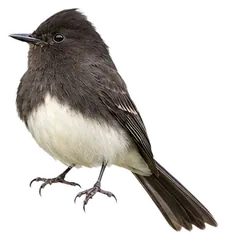 Black PhoebeSayornis nigricans
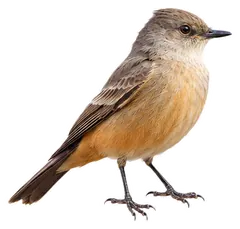 Say's PhoebeSayornis saya
 Grey-headed PipritesPiprites griseiceps
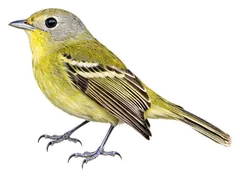 Wing-barred PipritesPiprites chloris
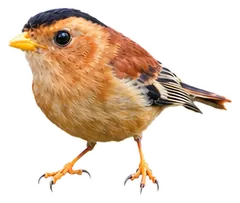 Black-capped PipritesPiprites pileata
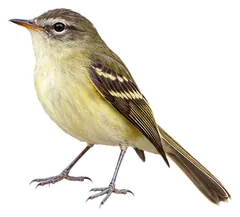 Greenish TyrannuletPhyllomyias virescens
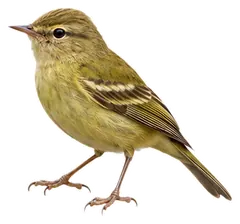 Reiser's TyrannuletPhyllomyias reiseri
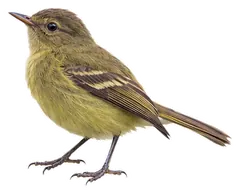 Urich's TyrannuletPhyllomyias urichi
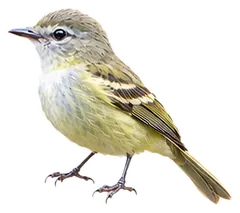 Sclater's TyrannuletPhyllomyias sclateri
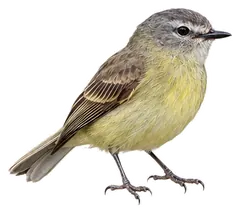 Yungas TyrannuletPhyllomyias weedeni
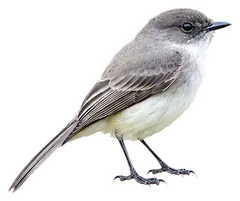
Download illustration
Free to use with credit: “Illustration: Bird Album (birdalbum.com)”. Drawn by AI from a reference photo by j_albright. ↗
Heard it but can't see it? Mingji identifies birds by sound and photo, on your phone.