 Bird Album
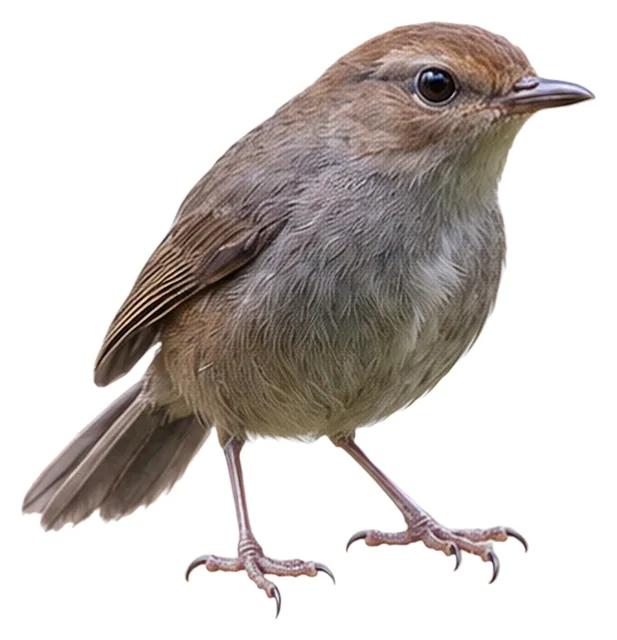
Fiji Bush Warbler
Horornis ruficapilla (Ramsay, EP, 1875)
13 gWeight
The Fiji bush warbler (Horornis ruficapilla) is a species of bird in the family Cettiidae.
Busiest months: August–October · Most records: Fiji
Where and when it's recorded

Fiji Bush Warbler has been recorded at 12 of the 8,171 birding hotspots we track, in 1 country or region.
Records by month Southern Hemisphere
Where it's recorded most
- Colo-I-Suva Forest ParkFiji248 records
- Taveuni – Des Voeux PeakFiji93 records
- Savura Creek – WaterButt to ReservoirFiji81 records
More places
- Des Veoux Peak – Mount ManukaFiji56 records
- Kadavu Island - Papageno ResortFiji48 records
- Nakobelevu – Waterbutt to PylonFiji40 records
- Vunisea – Road NorthFiji39 records
- Garden of the Sleeping GiantFiji25 records
- Colo-i-Suva Rainforest LodgeFiji24 records
- MatavaFiji23 records
Countries and regions with the most records
eBird records via GBIF up to 2024-12-31. A record means someone listed it; more records partly mean more birders, not more birds.
About
The Fiji bush warbler (Horornis ruficapilla) is a species of bird in the family Cettiidae.
Excerpt from Wikipedia, CC BY-SA 4.0 · authors · Read more on Wikipedia
Questions
How big is the Fiji Bush Warbler?
The Fiji Bush Warbler weighs around 13 g.
Where does the Fiji Bush Warbler live?
Its breeding range: Pacific Ocean: Fiji (except Lau Archipelago, eastern Fiji; southwestern Polynesia). It is most often recorded in Fiji.
When is the best time to see the Fiji Bush Warbler?
At the hotspots we track, it is recorded most in August, September and October (Southern Hemisphere).
Is the Fiji Bush Warbler endangered?
The IUCN Red List classifies the Fiji Bush Warbler as Least Concern.
What does the Fiji Bush Warbler eat?
Main food: Insects & other invertebrates.
What family is the Fiji Bush Warbler in?
It belongs to the family Cettia Bush Warblers & Allies (Cettiidae), order Passerines (Passeriformes).
At a glance
- Weight
- 13 g
- Habitat
- Forest
- Diet
- Insects & other invertebrates
- Lifestyle
- Varied
- Migration
- Resident (barely migrates)
- Conservation
- Least Concern
More measurements
- Wing
- 57 mm
- Tail
- 51 mm
- Bill
- 16 mm
- Tarsus
- 23 mm
Averages from the AVONET dataset; length from field guides where available.
Range
Pacific Ocean: Fiji (except Lau Archipelago, eastern Fiji; southwestern Polynesia)
Breeding range, IOC World Bird List 15.2
Classification
- Order
- Passerines Passeriformes
- Family
- Cettia Bush Warblers & Allies Cettiidae
- Genus
- Horornis
Other birds in the genus Horornis
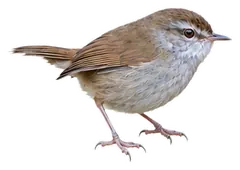 Philippine Bush WarblerHorornis seebohmi
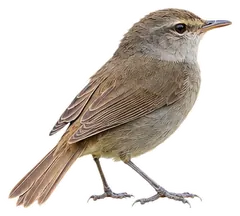 Japanese Bush WarblerHorornis diphone
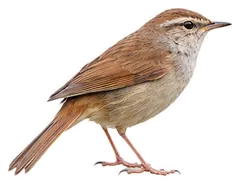 Manchurian Bush WarblerHorornis canturians
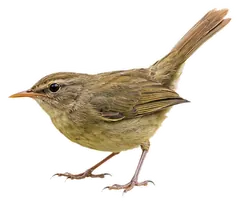 Palau Bush WarblerHorornis annae
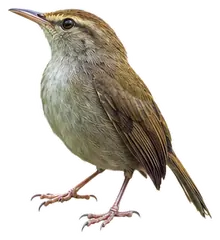 Tanimbar Bush WarblerHorornis carolinae
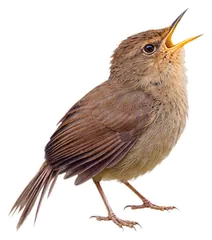 Shade Bush WarblerHorornis parens
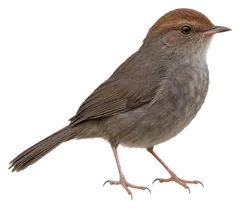 Bougainville Bush WarblerHorornis haddeni
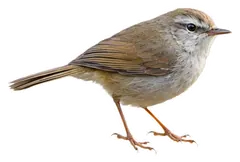 Brown-flanked Bush WarblerHorornis fortipes
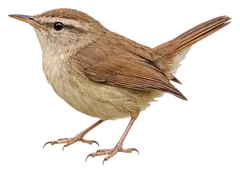 Hume's Bush WarblerHorornis brunnescens
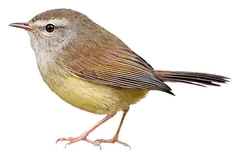 Yellow-bellied Bush WarblerHorornis acanthizoides
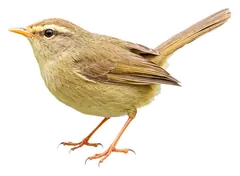 Aberrant Bush WarblerHorornis flavolivaceus
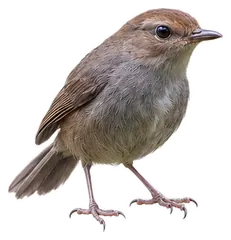
Download illustration
Free to use with credit: “Illustration: Bird Album (birdalbum.com)”. Drawn by AI from a reference photo by William Stephens. ↗
Heard it but can't see it? Mingji identifies birds by sound and photo, on your phone.