 Bird Album
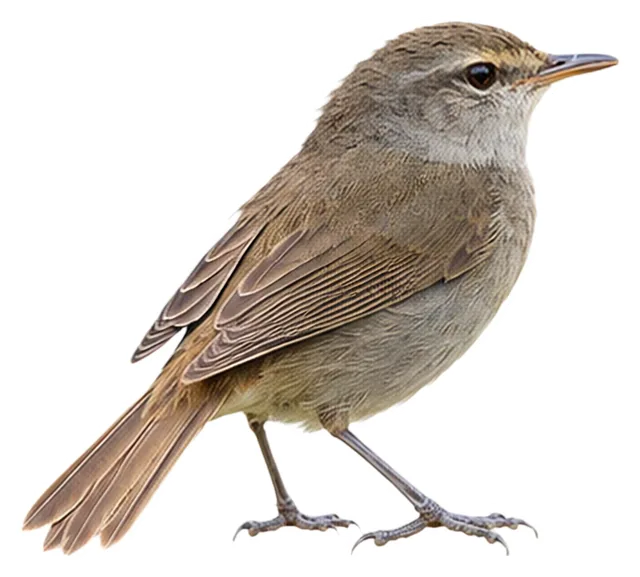
Japanese Bush Warbler
Horornis diphone (Kittlitz, 1830)
16 cmLength13 gWeight
It has olive-brown upperparts, a pale supercilium and an upturned bill like a smile, and is often heard but not seen.
Busiest months: March–May and December · Most records: Japan, South Korea, China
How to identify
Field marks
- Olive-rufous upperparts
- Rather dark underparts
- Pale supercilium
- Upturned bill, like a smile
Voice
The breeding song is rendered as “Hoohokekyo”, preceded by a few “pi pi pi” notes.
Where and when it's recorded

Japanese Bush Warbler has been recorded at 192 of the 8,171 birding hotspots we track, in 3 countries and regions.
Records by month Northern Hemisphere
Where it's recorded most
- Edogawa Ward – Kasai Rinkai Park / Kasai Kaihin ParkJapan814 records
- Nerima Ward – Shakujii ParkJapan508 records
- Yeliu IBATaiwan (China)413 records
More places
- Wajima – Hegurajima (island)Japan404 records
- Niigata – Lake ToyanogataJapan304 records
- Sakata – Tobishima (island)Japan302 records
- Katsushika Ward – Mizumoto ParkJapan233 records
- Yokohama – Sakai River Wetland Prefectural ParkJapan225 records
- Ichikawa – Gyotoku Bird SanctuaryJapan216 records
- Ota Ward – Tokyo Port Wild Bird Park (including Tidal Pond)Japan205 records
Countries and regions with the most records
eBird records via GBIF up to 2024-12-31. A record means someone listed it; more records partly mean more birders, not more birds.
About
The Japanese bush warbler (Horornis diphone), known in Japanese as uguisu (鶯), is an Asian passerine bird more often heard than seen. Its distinctive breeding song can be heard throughout much of Japan from the start of spring.
Excerpt from Wikipedia, CC BY-SA 4.0 · authors · Read more on Wikipedia
Questions
How big is the Japanese Bush Warbler?
The Japanese Bush Warbler is about 16 cm long and weighs around 13 g.
Where does the Japanese Bush Warbler live?
Its breeding range: Palearctic: Sakhalin Islands to Japan and Ryukyu Islands and eastern, central China. It is most often recorded in Japan, South Korea and China.
When is the best time to see the Japanese Bush Warbler?
At the hotspots we track, it is recorded most in March, April, May and December (Northern Hemisphere).
Is the Japanese Bush Warbler endangered?
The IUCN Red List classifies the Japanese Bush Warbler as Least Concern.
What does the Japanese Bush Warbler eat?
Main food: Insects & other invertebrates.
What family is the Japanese Bush Warbler in?
It belongs to the family Cettia Bush Warblers & Allies (Cettiidae), order Passerines (Passeriformes).
At a glance
- Length
- 16 cm
- Weight
- 13 g
- Habitat
- Shrubland
- Diet
- Insects & other invertebrates
- Lifestyle
- Varied
- Migration
- Resident (barely migrates)
- Conservation
- Least Concern
More measurements
- Wing
- 61 mm
- Tail
- 60 mm
- Bill
- 17 mm
- Tarsus
- 25 mm
Averages from the AVONET dataset; length from field guides where available.
Range
Palearctic: Sakhalin Islands to Japan and Ryukyu Islands and eastern, central China
Breeding range, IOC World Bird List 15.2
Subspecies · 1
- Horornis diphone riukiuensis s Sakhalin Is. and s Kuril Is. | non-breeding: Ryukyu Is. and Taiwan (China)
Classification
- Order
- Passerines Passeriformes
- Family
- Cettia Bush Warblers & Allies Cettiidae
- Genus
- Horornis
Other birds in the genus Horornis
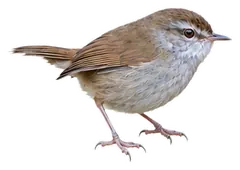 Philippine Bush WarblerHorornis seebohmi
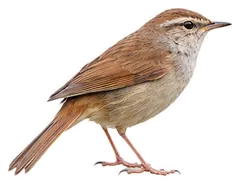 Manchurian Bush WarblerHorornis canturians
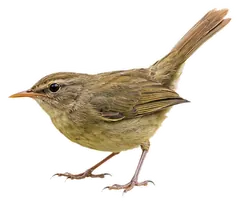 Palau Bush WarblerHorornis annae
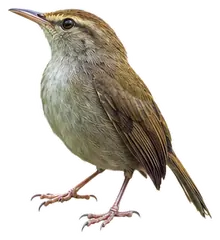 Tanimbar Bush WarblerHorornis carolinae
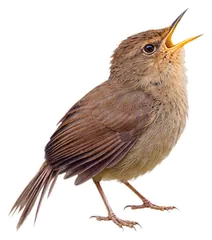 Shade Bush WarblerHorornis parens
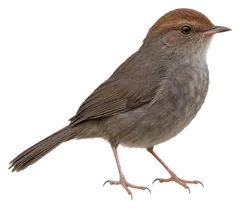 Bougainville Bush WarblerHorornis haddeni
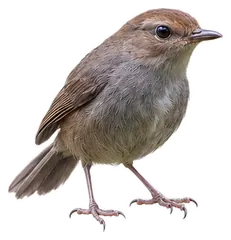 Fiji Bush WarblerHorornis ruficapilla
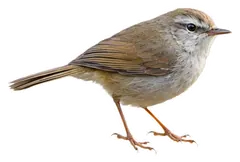 Brown-flanked Bush WarblerHorornis fortipes
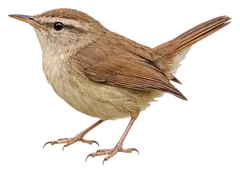 Hume's Bush WarblerHorornis brunnescens
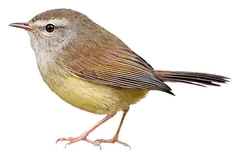 Yellow-bellied Bush WarblerHorornis acanthizoides
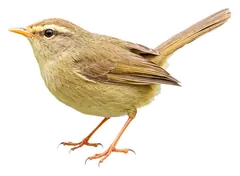 Aberrant Bush WarblerHorornis flavolivaceus
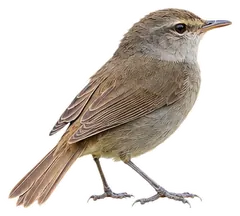
Download illustration
Free to use with credit: “Illustration: Bird Album (birdalbum.com)”. Drawn by AI from a reference photo by Анна Голубева. ↗
Heard it but can't see it? Mingji identifies birds by sound and photo, on your phone.
In other languages
- EnglishJapanese Bush Warbler
- 简体中文日本树莺
- 繁體中文日本樹鶯
- 日本語ウグイス
- 한국어섬휘파람새
- DeutschJapanseidensänger
- FrançaisBouscarle chanteuse
- EspañolCetia japonesa
- Portuguêsrouxinol-bravo-japonês
- ItalianoCettia del Giappone
- NederlandsJapanse Struikzanger
- РусскийБамбуковая широкохвостка
- Svenskajapansk cettia
- DanskJapansk Busksanger
- Polskiwierzbownik japoński