 Bird Album
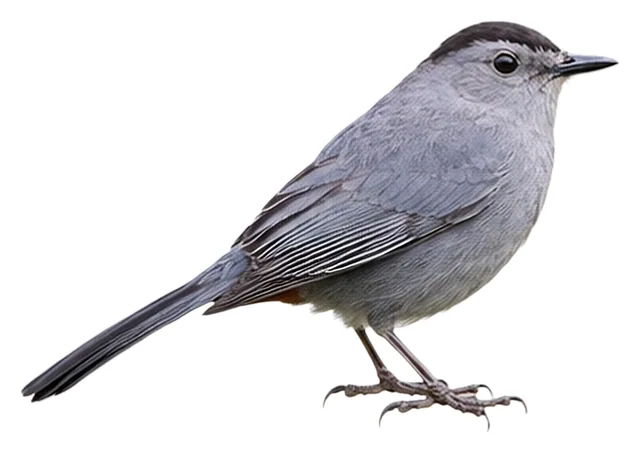
Grey Catbird
Dumetella carolinensis (Linnaeus, 1766)
35 gWeight
The gray catbird (Dumetella carolinensis), also spelled grey catbird, is a medium-sized North American and Central American perching bird of the mimid family.
Busiest months: May · Most records: United States, Canada, Belize
Where and when it's recorded
Busiest months: May · Most records: United States, Canada, Belize

Grey Catbird has been recorded at 977 of the 8,276 birding hotspots we track, in 23 countries and regions.
Records by month Northern Hemisphere
Where it's recorded most
- Magee Marsh – BoardwalkUnited States32,978 records
- Central ParkUnited States22,066 records
- Parker River NWRUnited States21,545 records
More places
- Prospect ParkUnited States21,085 records
- Montrose Point Bird Sanctuary, Lincoln Park, ChicagoUnited States19,612 records
- Point Pelee National ParkCanada18,046 records
- John Heinz NWR – impoundmentUnited States15,499 records
- Cape Island – Higbee Beach WMAUnited States13,767 records
- Audubon Corkscrew Swamp SanctuaryUnited States13,503 records
- Mount Auburn CemeteryUnited States13,044 records
Countries and regions with the most records
eBird records via GBIF up to 2024-12-31. A record means someone listed it; more records partly mean more birders, not more birds.
About
The gray catbird (Dumetella carolinensis), also spelled grey catbird, is a medium-sized North American and Central American perching bird of the mimid family. It is the only member of the "catbird" genus Dumetella. Like the black catbird (Melanoptila glabrirostris), it is among the basal lineages of the Mimidae, probably a closer relative of the Caribbean thrasher and trembler assemblage than of the mockingbirds and Toxostoma thrashers.
Excerpt from Wikipedia, CC BY-SA 4.0 · authors · Read more on Wikipedia
Questions
How big is the Grey Catbird?
The Grey Catbird weighs around 35 g.
Where does the Grey Catbird live?
Its breeding range: North America: widespread. It is most often recorded in United States, Canada and Belize.
When is the best time to see the Grey Catbird?
At the hotspots we track, it is recorded most in May (Northern Hemisphere).
Is the Grey Catbird endangered?
The IUCN Red List classifies the Grey Catbird as Least Concern.
What does the Grey Catbird eat?
Main food: Insects & other invertebrates.
What family is the Grey Catbird in?
It belongs to the family Mockingbirds, Thrashers (Mimidae), order Passerines (Passeriformes).
At a glance
- Weight
- 35 g
- Habitat
- Shrubland
- Diet
- Insects & other invertebrates
- Lifestyle
- Perches in trees
- Migration
- Migratory
- Conservation
- Least Concern
More measurements
- Wing
- 91 mm
- Tail
- 90 mm
- Bill
- 19 mm
- Tarsus
- 27 mm
Averages from the AVONET dataset; length from field guides where available.
Range
North America: widespread
Breeding range, IOC World Bird List 15.2
Classification
- Order
- Passerines Passeriformes
- Family
- Mockingbirds, Thrashers Mimidae
- Genus
- Dumetella
More from the family Mockingbirds, Thrashers
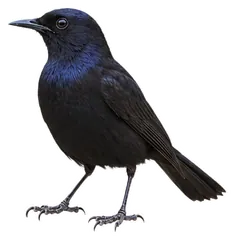 Black CatbirdMelanoptila glabrirostris
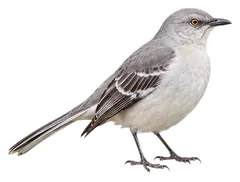 Northern MockingbirdMimus polyglottos
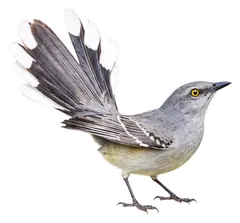 Tropical MockingbirdMimus gilvus
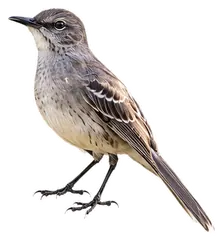 Bahama MockingbirdMimus gundlachii
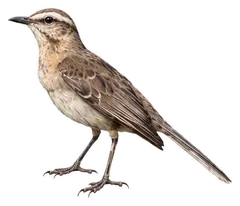 Chilean MockingbirdMimus thenca
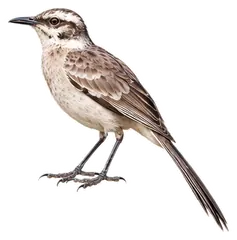 Long-tailed MockingbirdMimus longicaudatus
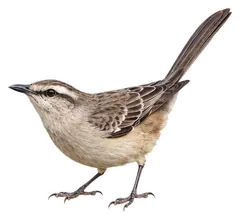 Chalk-browed MockingbirdMimus saturninus
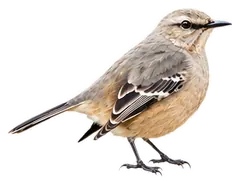 Patagonian MockingbirdMimus patagonicus
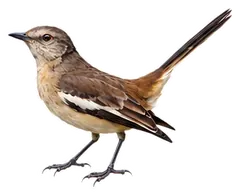 White-banded MockingbirdMimus triurus
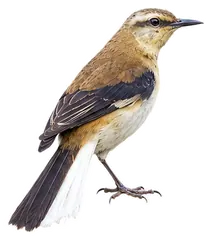 Brown-backed MockingbirdMimus dorsalis
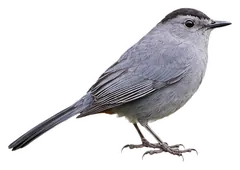
Download illustration
Free to use with credit: “Illustration: Bird Album (birdalbum.com)”. Drawn by AI from a reference photo by Michael King. ↗
Heard it but can't see it? Mingji identifies birds by sound and photo, on your phone.