 Bird Album
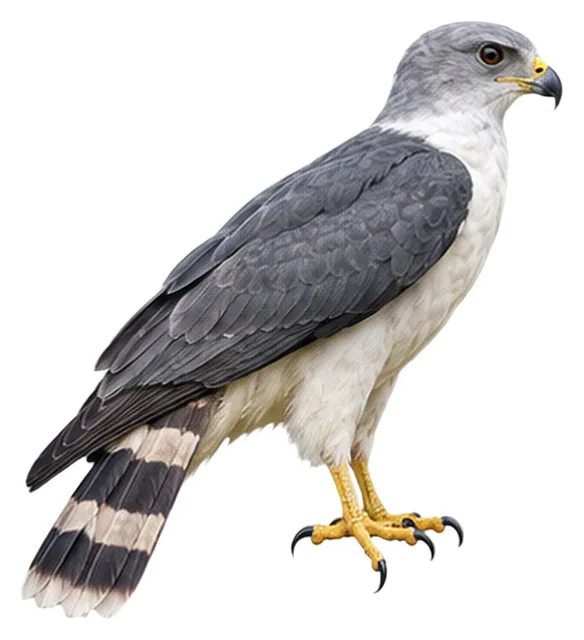
Grey-headed Kite
Leptodon cayanensis (Latham, 1790)
46–53 cmLength474 gWeight
The gray-headed kite (Leptodon cayanensis) is a raptor found in open woodland and swamp forests.
Busiest months: January–March · Most records: Costa Rica, Panama, Ecuador
Where and when it's recorded

Grey-headed Kite has been recorded at 547 of the 8,171 birding hotspots we track, in 20 countries and regions.
Records by month Northern Hemisphere
Where it's recorded most
- Estación Biológica La Selva-OTSCosta Rica1,406 records
- Refugio mixto Caño NegroCosta Rica572 records
- Panama Rainforest Discovery CenterPanama534 records
More places
- Pipeline Road (Camino del Oleoducto)Panama440 records
- Canopy TowerPanama432 records
- Asa Wright Nature CenterTrinidad & Tobago363 records
- Pipeline Road – Parque Nacional SoberaníaPanama318 records
- Veragua Rainforest ParkCosta Rica274 records
- Sani LodgeEcuador253 records
- Rio Silanche Bird SanctuaryEcuador213 records
Countries and regions with the most records
eBird records via GBIF up to 2024-12-31. A record means someone listed it; more records partly mean more birders, not more birds.
About
The gray-headed kite (Leptodon cayanensis) is a raptor found in open woodland and swamp forests. It shares the genus Leptodon with the extremely rare white-collared kite. It breeds from eastern Mexico and Trinidad south to Peru, Bolivia, Brazil and northern Argentina.
Excerpt from Wikipedia, CC BY-SA 4.0 · authors · Read more on Wikipedia
Questions
How big is the Grey-headed Kite?
The Grey-headed Kite is about 46–53 cm long and weighs around 474 g.
Where does the Grey-headed Kite live?
Its breeding range: Middle America, South America: east-central Mexico to northern Argentina. It is most often recorded in Costa Rica, Panama and Ecuador.
When is the best time to see the Grey-headed Kite?
At the hotspots we track, it is recorded most in January, February and March (Northern Hemisphere).
Is the Grey-headed Kite endangered?
The IUCN Red List classifies the Grey-headed Kite as Least Concern.
What does the Grey-headed Kite eat?
Main food: Omnivore.
What family is the Grey-headed Kite in?
It belongs to the family Kites, Hawks, Eagles (Accipitridae), order Accipitriformes.
At a glance
- Length
- 46–53 cm
- Weight
- 474 g
- Habitat
- Forest
- Diet
- Omnivore
- Lifestyle
- Perches in trees
- Migration
- Resident (barely migrates)
- Conservation
- Least Concern
More measurements
- Wing
- 303 mm
- Tail
- 222 mm
- Bill
- 34 mm
- Tarsus
- 38 mm
Averages from the AVONET dataset; length from field guides where available.
Range
Middle America, South America: east-central Mexico to northern Argentina
Breeding range, IOC World Bird List 15.2
Classification
- Order
- Accipitriformes
- Family
- Kites, Hawks, Eagles Accipitridae
- Genus
- Leptodon
Other birds in the genus Leptodon
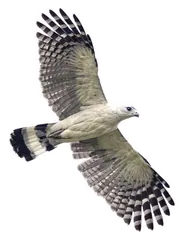 White-collared KiteLeptodon forbesi
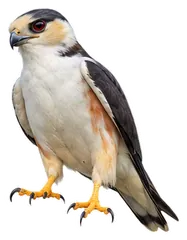 Pearl KiteGampsonyx swainsonii
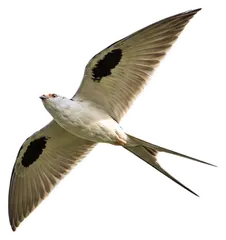 Scissor-tailed KiteChelictinia riocourii
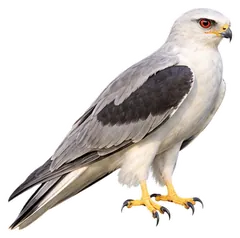 White-tailed KiteElanus leucurus
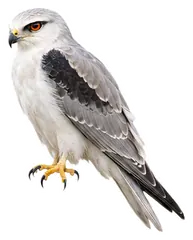 Black-winged KiteElanus caeruleus
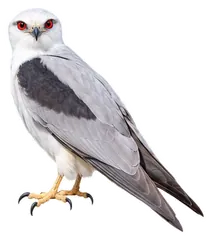 Black-shouldered KiteElanus axillaris
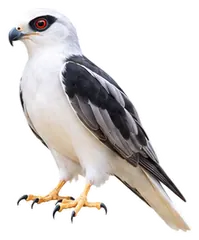 Letter-winged KiteElanus scriptus
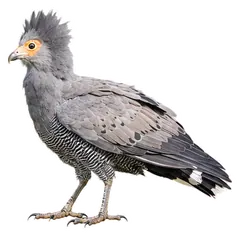 African Harrier-HawkPolyboroides typus
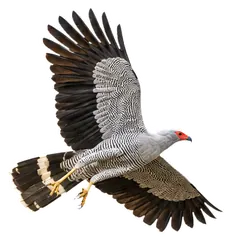 Madagascar Harrier-HawkPolyboroides radiatus
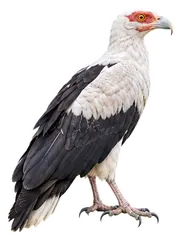 Palm-nut VultureGypohierax angolensis
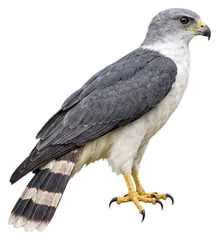
Download illustration
Free to use with credit: “Illustration: Bird Album (birdalbum.com)”. Drawn by AI from a reference photo by andretostes. ↗
Heard it but can't see it? Mingji identifies birds by sound and photo, on your phone.