 Bird Album
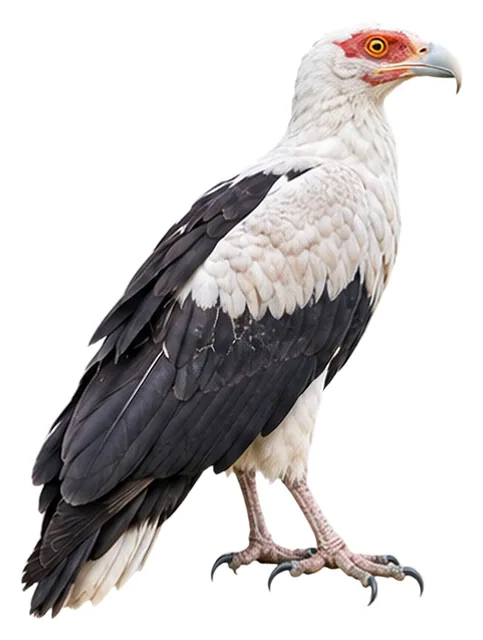
Palm-nut Vulture
Gypohierax angolensis (Gmelin, JF, 1788)
1.6 kgWeight
The palm-nut vulture (Gypohierax angolensis) or vulturine fish eagle, is a large bird of prey in the family Accipitridae (which also includes many other diurnal raptors such as kites, buzzards and harriers, vultures, and eagles).
Most records: Uganda, Gambia, Ghana
Where and when it's recorded
Most records: Uganda, Gambia, Ghana

Palm-nut Vulture has been recorded at 291 of the 8,276 birding hotspots we track, in 27 countries and regions.
Records by month Northern Hemisphere
Where it's recorded most
- Entebbe Botanical GardenUganda991 records
- Lake Kivu – Tchegera IslandCongo - Kinshasa383 records
- Murchison Falls NP – North sideUganda354 records
More places
- Mabamba SwampUganda348 records
- Abuko NRGambia331 records
- Queen Elizabeth II NPUganda313 records
- Queen Elizabeth II NP – Kasenyi TrackUganda276 records
- Semuliki NPUganda253 records
- Kakum NP – CanopyGhana244 records
- Umlalazi NRSouth Africa242 records
Countries and regions with the most records
eBird records via GBIF up to 2024-12-31. A record means someone listed it; more records partly mean more birders, not more birds.
About
The palm-nut vulture (Gypohierax angolensis) or vulturine fish eagle, is a large bird of prey in the family Accipitridae (which also includes many other diurnal raptors such as kites, buzzards and harriers, vultures, and eagles). It is the only member of the genus Gypohierax.
Excerpt from Wikipedia, CC BY-SA 4.0 · authors · Read more on Wikipedia
Questions
How big is the Palm-nut Vulture?
The Palm-nut Vulture weighs around 1.6 kg.
Where does the Palm-nut Vulture live?
Its breeding range: Africa: Senegal and Gambia to South Sudan and eastern Kenya, south to Angola and northeastern South Africa. It is most often recorded in Uganda, Gambia and Ghana.
Is the Palm-nut Vulture endangered?
The IUCN Red List classifies the Palm-nut Vulture as Least Concern.
What does the Palm-nut Vulture eat?
Main food: Fruit.
What family is the Palm-nut Vulture in?
It belongs to the family Kites, Hawks, Eagles (Accipitridae), order Accipitriformes.
At a glance
- Weight
- 1.6 kg
- Habitat
- Forest
- Diet
- Fruit
- Lifestyle
- Perches in trees
- Migration
- Resident (barely migrates)
- Conservation
- Least Concern
More measurements
- Wing
- 419 mm
- Tail
- 197 mm
- Bill
- 58 mm
- Tarsus
- 77 mm
Averages from the AVONET dataset; length from field guides where available.
Range
Africa: Senegal and Gambia to South Sudan and eastern Kenya, south to Angola and northeastern South Africa
Breeding range, IOC World Bird List 15.2
Classification
- Order
- Accipitriformes
- Family
- Kites, Hawks, Eagles Accipitridae
- Genus
- Gypohierax
More from the family Kites, Hawks, Eagles
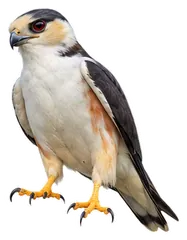 Pearl KiteGampsonyx swainsonii
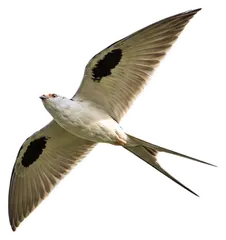 Scissor-tailed KiteChelictinia riocourii
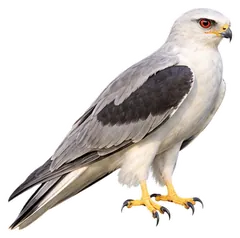 White-tailed KiteElanus leucurus
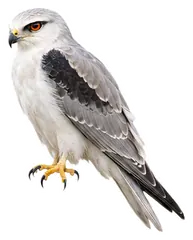 Black-winged KiteElanus caeruleus
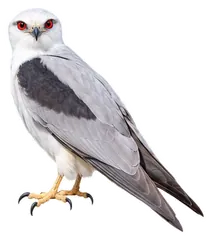 Black-shouldered KiteElanus axillaris
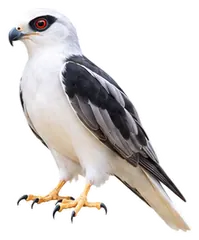 Letter-winged KiteElanus scriptus
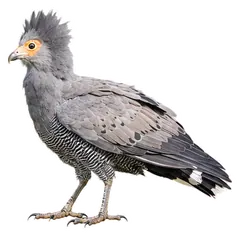 African Harrier-HawkPolyboroides typus
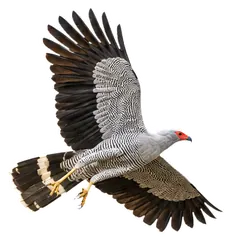 Madagascar Harrier-HawkPolyboroides radiatus
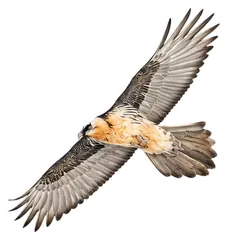 Bearded VultureGypaetus barbatus
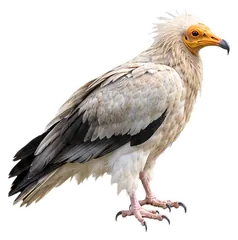 Egyptian VultureNeophron percnopterus
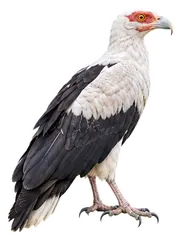
Download illustration
Free to use with credit: “Illustration: Bird Album (birdalbum.com)”. Drawn by AI from a reference photo by Frans Vandewalle. ↗
Heard it but can't see it? Mingji identifies birds by sound and photo, on your phone.