 Bird Album
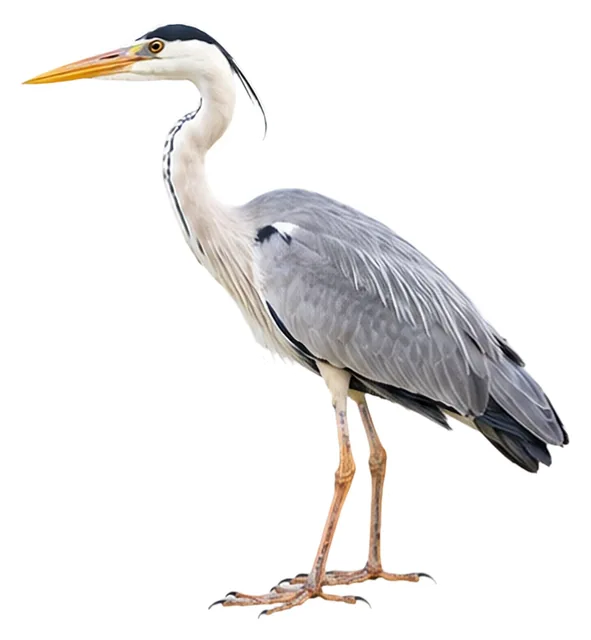
Grey Heron
Ardea cinerea Linnaeus, 1758
84–102 cmLength173 cmWingspan1.4 kgWeight
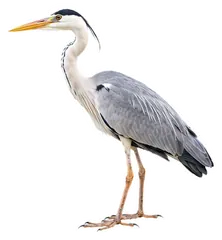
It is a tall gray heron with a single black band across the white face continuing into the black crest.
Busiest months: September–January and April · Most records: United Kingdom, China, Spain
How to identify
Field marks
- White head and neck; a single broad black band from the eye to the crest
- Black streaks on the front of the neck
- Gray back and wings; white belly
- Long, straight, powerful bill; very long legs
Male, female and young
Juveniles are duller overall, with the black head band replaced by gray and only a small tuft of dark gray crest feathers.
Voice
Mainly a loud croaking “fraaank”, also deep guttural notes and goose-like calls.
Where and when it's recorded
Busiest months: September–January and April · Most records: United Kingdom, China, Spain

Grey Heron has been recorded at 4,083 of the 8,276 birding hotspots we track, in 161 countries and regions.
Records by month Northern Hemisphere
Where it's recorded most
- Amwell HMWT NRUnited Kingdom7,920 records
- Txingudi – PlaiaundiSpain5,760 records
- Desembocadura del Guadalhorce – ÁreaSpain5,426 records
More places
- Beddington FarmlandsUnited Kingdom5,023 records
- International Birding and Research Center Eilat (IBRCE)Israel4,943 records
- Taipei – Tianliaoyang WetlandTaiwan (China)4,686 records
- Changaram Wetlands – EzhupunnaIndia4,626 records
- Huajiang IBA – Huajiang Wild Duck Nature Park (Huajiang to Zhongxing Bridge)Taiwan (China)4,446 records
- Mai Po Nature ReserveHong Kong (China)4,401 records
- Lezíria Grande de Vila Franca de Xira – área geralPortugal4,384 records
Countries and regions with the most records
eBird records via GBIF up to 2024-12-31. A record means someone listed it; more records partly mean more birders, not more birds.
About
The grey heron (Ardea cinerea) is a long-legged wading bird of the heron family, Ardeidae, native throughout Europe, Asia, and most of Africa. It is resident in much of its range, but some populations from the more northern parts migrate southwards in autumn. A bird of wetland areas, it can be seen around lakes, rivers, ponds, marshes and on the sea coast.
Excerpt from Wikipedia, CC BY-SA 4.0 · authors · Read more on Wikipedia
Questions
How big is the Grey Heron?
The Grey Heron is about 84–102 cm long, with a wingspan of 173 cm and weighs around 1.4 kg.
Where does the Grey Heron live?
Its breeding range: Palearctic, Africa, Oriental: widespread. It is most often recorded in United Kingdom, China and Spain.
When is the best time to see the Grey Heron?
At the hotspots we track, it is recorded most in January, April, September, October, November and December (Northern Hemisphere).
Is the Grey Heron endangered?
The IUCN Red List classifies the Grey Heron as Least Concern.
What does the Grey Heron eat?
Main food: Fish, shrimp & shellfish.
What family is the Grey Heron in?
It belongs to the family Herons, Bitterns (Ardeidae), order Pelecaniformes.
At a glance
- Length
- 84–102 cm
- Wingspan
- 173 cm
- Weight
- 1.4 kg
- Habitat
- Wetland
- Diet
- Fish, shrimp & shellfish
- Lifestyle
- Active on the ground
- Migration
- Resident (barely migrates)
- Conservation
- Least Concern
More measurements
- Wing
- 441 mm
- Tail
- 169 mm
- Bill
- 139 mm
- Tarsus
- 138 mm
Averages from the AVONET dataset; length from field guides where available.
Range
Palearctic, Africa, Oriental: widespread
Breeding range, IOC World Bird List 15.2
Subspecies · 1
- Ardea cinerea jouyi n China, Korean Pen. and Japan to Sumatra and Java | non-breeding: to Philippines and Lesser Sundas
Classification
- Order
- Pelecaniformes
- Family
- Herons, Bitterns Ardeidae
- Genus
- Ardea
Other birds in the genus Ardea
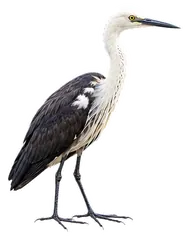 White-necked HeronArdea pacifica
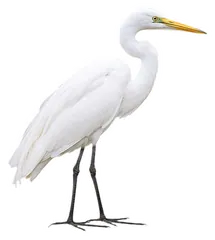 Great EgretArdea alba
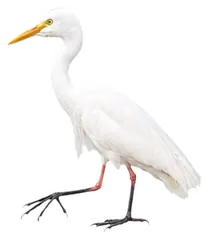 Yellow-billed EgretArdea brachyrhyncha
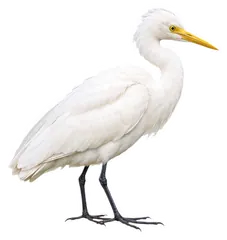 Medium EgretArdea intermedia
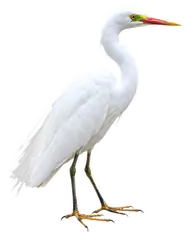 Plumed EgretArdea plumifera
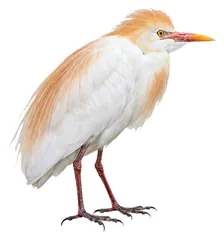 Western Cattle EgretArdea ibis
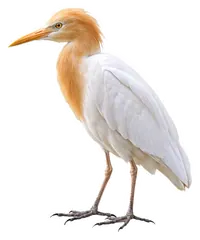 Eastern Cattle EgretArdea coromanda
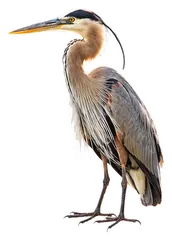 Great Blue HeronArdea herodias
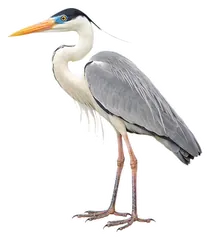 Cocoi HeronArdea cocoi
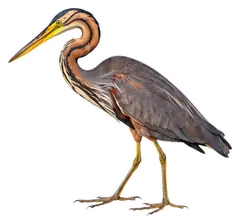 Purple HeronArdea purpurea
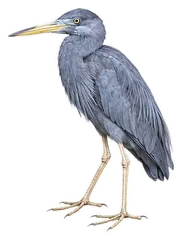 Humblot's HeronArdea humbloti
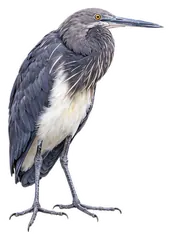 White-bellied HeronArdea insignis
Download illustration
Free to use with credit: “Illustration: Bird Album (birdalbum.com)”. Drawn by AI from a reference photo by Giacomo Cimino (foto.giacomocimino.workers.dev · @giacomociminoph). ↗

Heard it but can't see it? Mingji identifies birds by sound and photo, on your phone.