 Bird Album
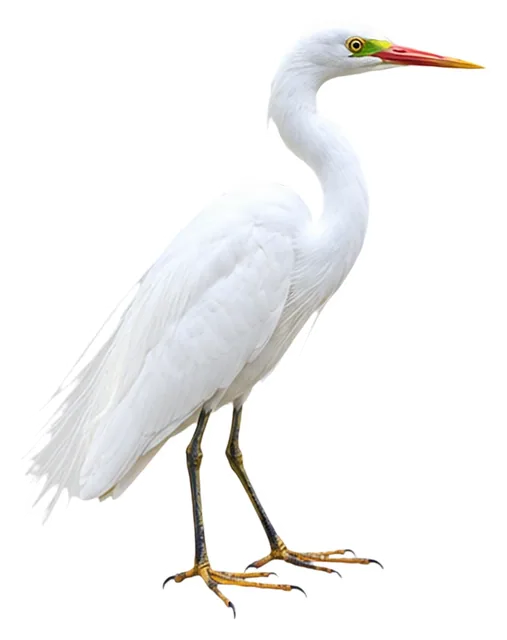
Plumed Egret
Ardea plumifera (Gould, 1848)
56–70 cmLength459 gWeight
Busiest months: September–October · Most records: Australia, Papua New Guinea, Indonesia
Where and when it's recorded
Busiest months: September–October · Most records: Australia, Papua New Guinea, Indonesia

Plumed Egret has been recorded at 193 of the 8,276 birding hotspots we track, in 4 countries and regions.
Records by month Southern Hemisphere
Where it's recorded most
- Sandy Camp Road WetlandsAustralia4,605 records
- Oxley Creek CommonAustralia4,393 records
- Townsville Town Common Conservation ParkAustralia2,648 records
More places
- Dowse LagoonAustralia2,638 records
- Hasties Swamp National ParkAustralia1,981 records
- Minnippi ParklandsAustralia1,904 records
- Fogg Dam Conservation ReserveAustralia1,546 records
- Centennial ParkAustralia1,331 records
- Kakadu National Park – Yellow WaterAustralia1,201 records
- Tyto WetlandsAustralia1,200 records
Countries and regions with the most records
eBird records via GBIF up to 2024-12-31. A record means someone listed it; more records partly mean more birders, not more birds.
Questions
How big is the Plumed Egret?
The Plumed Egret is about 56–70 cm long and weighs around 459 g.
Where does the Plumed Egret live?
Its breeding range: Oriental: eastern Indonesia, New Guinea and Australia. It is most often recorded in Australia, Papua New Guinea and Indonesia.
When is the best time to see the Plumed Egret?
At the hotspots we track, it is recorded most in September and October (Southern Hemisphere).
Is the Plumed Egret endangered?
The IUCN Red List classifies the Plumed Egret as Least Concern.
What does the Plumed Egret eat?
Main food: Fish, shrimp & shellfish.
What family is the Plumed Egret in?
It belongs to the family Herons, Bitterns (Ardeidae), order Pelecaniformes.
At a glance
- Length
- 56–70 cm
- Weight
- 459 g
- Habitat
- Wetland
- Diet
- Fish, shrimp & shellfish
- Lifestyle
- Active on the ground
- Migration
- Partial migrant
- Conservation
- Least Concern
More measurements
- Wing
- 283 mm
- Tail
- 111 mm
- Bill
- 77 mm
- Tarsus
- 100 mm
Averages from the AVONET dataset; length from field guides where available.
Range
Oriental: eastern Indonesia, New Guinea and Australia
Breeding range, IOC World Bird List 15.2
Classification
- Order
- Pelecaniformes
- Family
- Herons, Bitterns Ardeidae
- Genus
- Ardea
Other birds in the genus Ardea
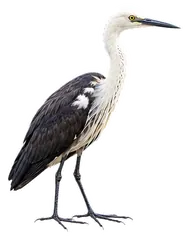 White-necked HeronArdea pacifica
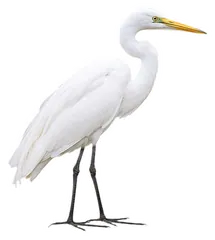 Great EgretArdea alba
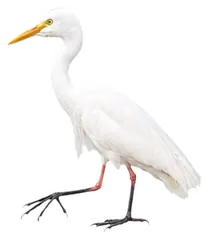 Yellow-billed EgretArdea brachyrhyncha
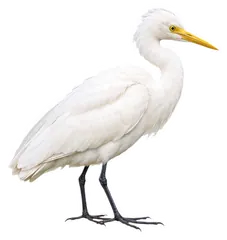 Medium EgretArdea intermedia
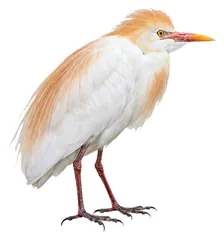 Western Cattle EgretArdea ibis
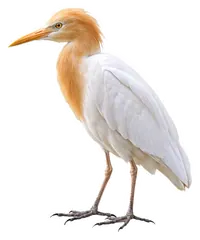 Eastern Cattle EgretArdea coromanda
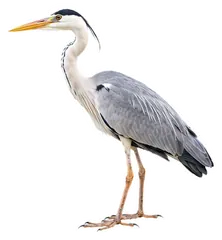 Grey HeronArdea cinerea
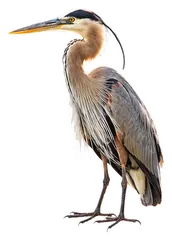 Great Blue HeronArdea herodias
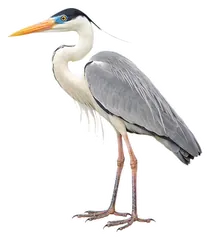 Cocoi HeronArdea cocoi
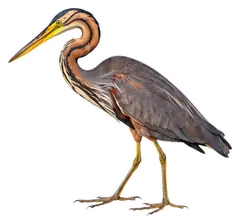 Purple HeronArdea purpurea
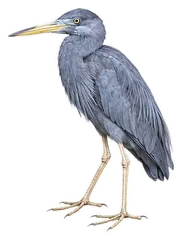 Humblot's HeronArdea humbloti
 White-bellied HeronArdea insignis
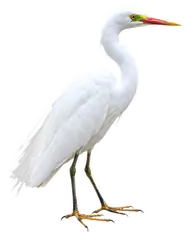
Download illustration
Free to use with credit: “Illustration: Bird Album (birdalbum.com)”. Drawn by AI from a reference photo by stevemcbride. ↗
Heard it but can't see it? Mingji identifies birds by sound and photo, on your phone.