 Bird Album
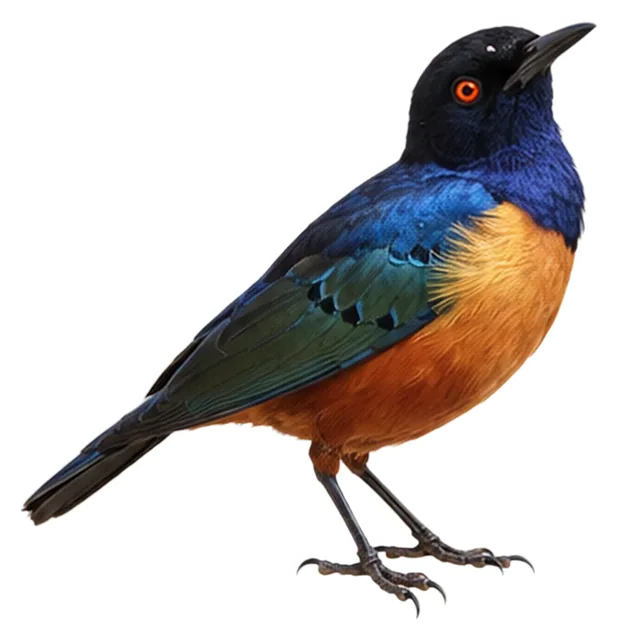
Hildebrandt's Starling
Lamprotornis hildebrandti (Cabanis, 1878)
18 cmLength56 gWeight
Hildebrandt's starling (Lamprotornis hildebrandti) is a species of starling in the family Sturnidae.
Busiest months: February · Most records: Tanzania, Kenya
Where and when it's recorded

Hildebrandt's Starling has been recorded at 68 of the 8,171 birding hotspots we track, in 2 countries and regions.
Records by month Southern Hemisphere
Where it's recorded most
- Nairobi NPKenya682 records
- Serengeti NPTanzania597 records
- Ngorongoro Conservation Area – Ngorongoro CraterTanzania493 records
More places
- Serengeti NP – SeroneraTanzania422 records
- Serengeti NP – Naabi Hill GateTanzania337 records
- Tarangire NPTanzania329 records
- Maasai Mara NRKenya288 records
- Amboseli NPKenya288 records
- Mpala Ranch and Research CentreKenya258 records
- Ngorongoro Conservation Area – Ndutu Safari LodgeTanzania229 records
Countries and regions with the most records
eBird records via GBIF up to 2024-12-31. A record means someone listed it; more records partly mean more birders, not more birds.
About
Hildebrandt's starling (Lamprotornis hildebrandti) is a species of starling in the family Sturnidae. It forms a superspecies with and has previously been included in the same species as Shelley's starling, a migratory species ranging from Ethiopia and Somalia to Kenya. Both of these species have also been combined into a superspecies with the chestnut-bellied starling of West Africa.
Excerpt from Wikipedia, CC BY-SA 4.0 · authors · Read more on Wikipedia
Questions
How big is the Hildebrandt's Starling?
The Hildebrandt's Starling is about 18 cm long and weighs around 56 g.
Where does the Hildebrandt's Starling live?
Its breeding range: Africa: Kenya and Tanzania. It is most often recorded in Tanzania and Kenya.
When is the best time to see the Hildebrandt's Starling?
At the hotspots we track, it is recorded most in February (Southern Hemisphere).
Is the Hildebrandt's Starling endangered?
The IUCN Red List classifies the Hildebrandt's Starling as Least Concern.
What does the Hildebrandt's Starling eat?
Main food: Insects & other invertebrates.
What family is the Hildebrandt's Starling in?
It belongs to the family Starlings, Rhabdornises (Sturnidae), order Passerines (Passeriformes).
At a glance
- Length
- 18 cm
- Weight
- 56 g
- Habitat
- Woodland
- Diet
- Insects & other invertebrates
- Lifestyle
- Active on the ground
- Migration
- Resident (barely migrates)
- Conservation
- Least Concern
More measurements
- Wing
- 112 mm
- Tail
- 71 mm
- Bill
- 21 mm
- Tarsus
- 31 mm
Averages from the AVONET dataset; length from field guides where available.
Range
Africa: Kenya and Tanzania
Breeding range, IOC World Bird List 15.2
Classification
- Order
- Passerines Passeriformes
- Family
- Starlings, Rhabdornises Sturnidae
- Genus
- Lamprotornis
Other birds in the genus Lamprotornis
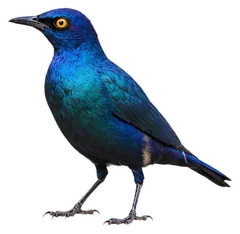 Cape StarlingLamprotornis nitens
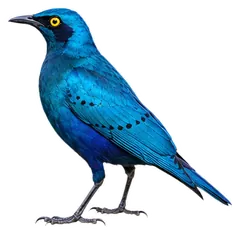 Greater Blue-eared StarlingLamprotornis chalybaeus
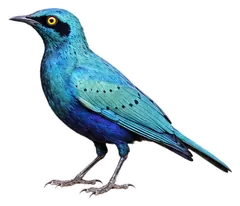 Lesser Blue-eared StarlingLamprotornis chloropterus
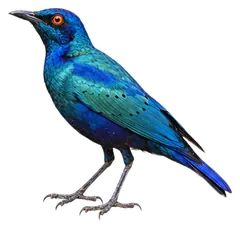 Bronze-tailed StarlingLamprotornis chalcurus
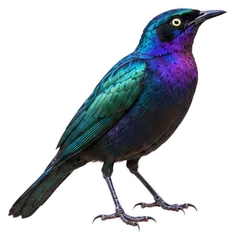 Splendid StarlingLamprotornis splendidus
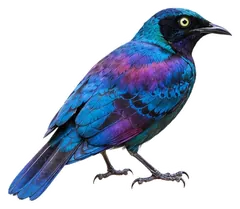 Principe StarlingLamprotornis ornatus
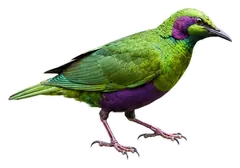 Emerald StarlingLamprotornis iris
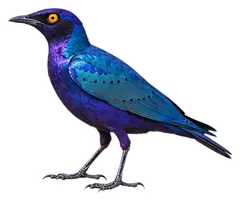 Purple StarlingLamprotornis purpureus
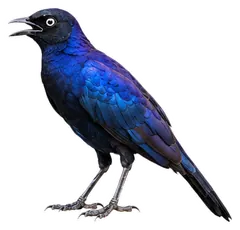 Rüppell's StarlingLamprotornis purpuroptera
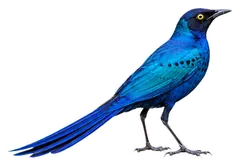 Long-tailed Glossy StarlingLamprotornis caudatus
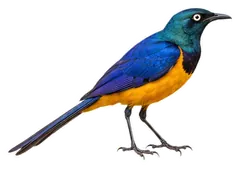 Golden-breasted StarlingLamprotornis regius
 Meves's StarlingLamprotornis mevesii
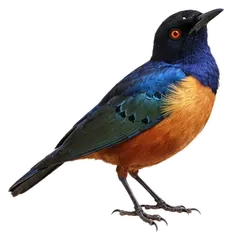
Download illustration
Free to use with credit: “Illustration: Bird Album (birdalbum.com)”. Drawn by AI from a reference photo by Jean-Paul Boerekamps. ↗
Heard it but can't see it? Mingji identifies birds by sound and photo, on your phone.
In other languages
- EnglishHildebrandt's Starling
- 简体中文希氏丽椋鸟
- 繁體中文希德氏麗椋鳥
- 日本語チャバラテリムク
- DeutschHildebrandtglanzstar
- FrançaisChoucador de Hildebrandt
- EspañolEstornino de Hildebrant
- Portuguêsestorninho-dos-massais
- ItalianoStorno di Hildebrandt
- NederlandsHildebrandts Glansspreeuw
- РусскийРыжебрюхий спрео
- Svenskamassajglansstare
- DanskMasai Glansstær
- Polskibłyszczak półobrożny