 Bird Album
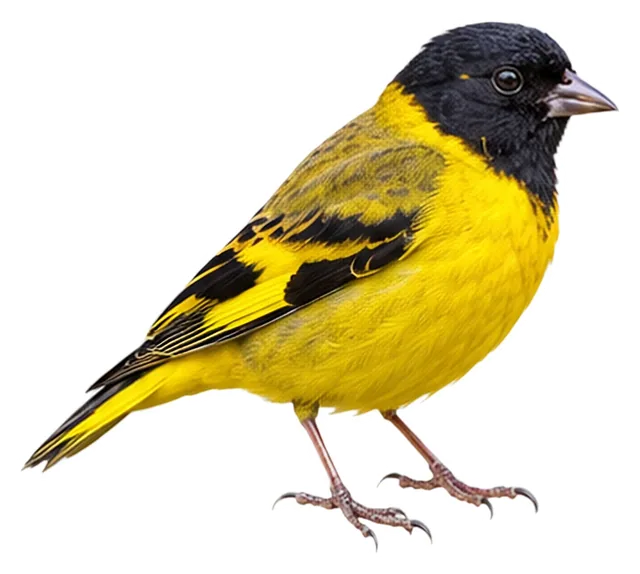
Hooded Siskin
Spinus magellanicus (Vieillot, 1805)
10–12 cmLength14 gWeight
The hooded siskin (Spinus magellanicus) is a small passerine bird in the family Fringillidae, the finches and euphonias.
Busiest months: October–November · Most records: Argentina, Peru, Brazil
Where and when it's recorded

Hooded Siskin has been recorded at 384 of the 8,171 birding hotspots we track, in 11 countries and regions.
Records by month Southern Hemisphere
Where it's recorded most
- Reserva Ecológica Costanera SurArgentina9,677 records
- Humedal Lucre-HuacarpayPeru1,863 records
- Reserva Ecológica Ciudad Universitaria - Costanera NorteArgentina1,833 records
More places
- Jardín Botánico de QuitoEcuador1,110 records
- PutreChile856 records
- Berisso – Quinta Privada Montevideo Y 77 100 Metros Hacia El MonteArgentina693 records
- Reserva Ribera NorteArgentina673 records
- Hacienda El BosqueColombia659 records
- CeibasArgentina590 records
- Santo André – Parque CentralBrazil584 records
Countries and regions with the most records
eBird records via GBIF up to 2024-12-31. A record means someone listed it; more records partly mean more birders, not more birds.
About
The hooded siskin (Spinus magellanicus) is a small passerine bird in the family Fringillidae, the finches and euphonias. It is found in every mainland South American country except French Guiana and Suriname.
Excerpt from Wikipedia, CC BY-SA 4.0 · authors · Read more on Wikipedia
Questions
How big is the Hooded Siskin?
The Hooded Siskin is about 10–12 cm long and weighs around 14 g.
Where does the Hooded Siskin live?
Its breeding range: South America: widespread. It is most often recorded in Argentina, Peru and Brazil.
When is the best time to see the Hooded Siskin?
At the hotspots we track, it is recorded most in October and November (Southern Hemisphere).
Is the Hooded Siskin endangered?
The IUCN Red List classifies the Hooded Siskin as Least Concern.
What does the Hooded Siskin eat?
Main food: Seeds.
What family is the Hooded Siskin in?
It belongs to the family Finches, Euphonias (Fringillidae), order Passerines (Passeriformes).
At a glance
- Length
- 10–12 cm
- Weight
- 14 g
- Habitat
- Shrubland
- Diet
- Seeds
- Lifestyle
- Perches in trees
- Migration
- Resident (barely migrates)
- Conservation
- Least Concern
More measurements
- Wing
- 70 mm
- Tail
- 44 mm
- Bill
- 12 mm
- Tarsus
- 14 mm
Averages from the AVONET dataset; length from field guides where available.
Range
South America: widespread
Breeding range, IOC World Bird List 15.2
Classification
- Order
- Passerines Passeriformes
- Family
- Finches, Euphonias Fringillidae
- Genus
- Spinus
Other birds in the genus Spinus
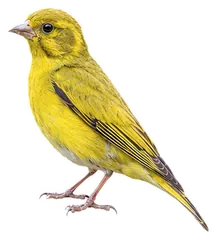 Tibetan SerinSpinus thibetanus
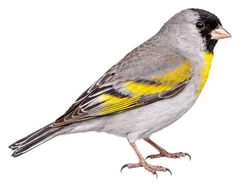 Lawrence's GoldfinchSpinus lawrencei
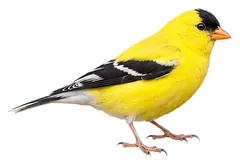 American GoldfinchSpinus tristis
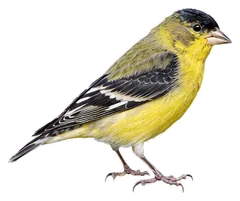 Lesser GoldfinchSpinus psaltria
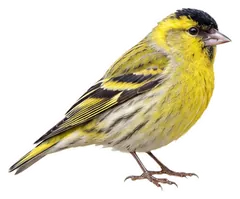 Eurasian SiskinSpinus spinus
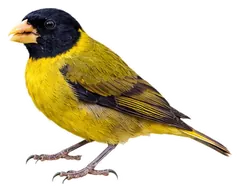 Antillean SiskinSpinus dominicensis
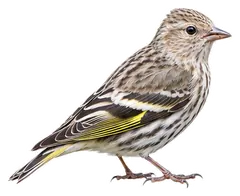 Pine SiskinSpinus pinus
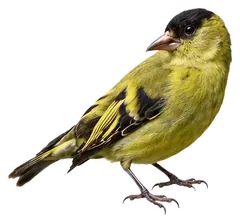 Black-capped SiskinSpinus atriceps
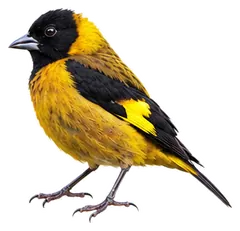 Black-headed SiskinSpinus notatus
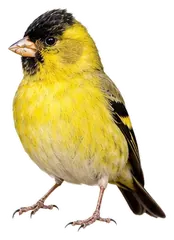 Black-chinned SiskinSpinus barbatus
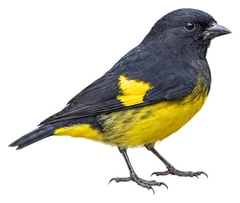 Yellow-bellied SiskinSpinus xanthogastrus
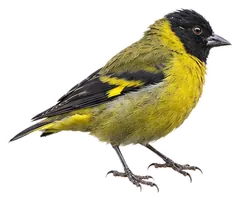 Olivaceous SiskinSpinus olivaceus
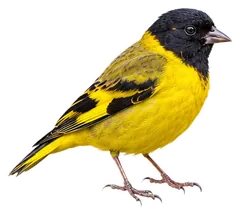
Download illustration
Free to use with credit: “Illustration: Bird Album (birdalbum.com)”. Drawn by AI from a reference photo by sdrov. ↗
Heard it but can't see it? Mingji identifies birds by sound and photo, on your phone.