 Bird Album
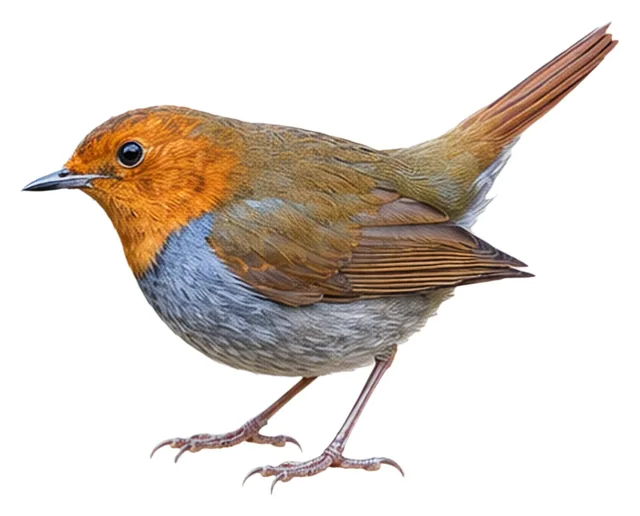
Japanese Robin
Larvivora akahige (Temminck, 1835)
14–15 cmLength17 gWeight
This small bird has an orange face and neck and a gray breast, and often frequents the damp, dark understory.
Busiest months: November · Most records: China, Japan, Vietnam
How to identify
Field marks
- Orange face and neck
- Male has olive-rufous plumage from crown to rump
- Gray breast and lower belly
- Rufous tail, black bill, and pinkish-rufous legs and feet
Male, female and young
Female resembles the male, but the orange and rufous are duller and less extensive; juvenile has dark spots on the breast.
Voice
Vocalization often starts with a single very loud note and then fades, like a telephone ringing; phrases are simple and clearly separated, with short clucking sounds interspersed.
Where and when it's recorded

Japanese Robin has been recorded at 88 of the 8,171 birding hotspots we track, in 4 countries and regions.
Records by month Northern Hemisphere
Where it's recorded most
- Yeliu IBATaiwan (China)346 records
- Tai Lam Country ParkHong Kong (China)111 records
- Wajima – Hegurajima (island)Japan103 records
More places
- Sakata – Tobishima (island)Japan71 records
- Tai Po Kau Nature ReserveHong Kong (China)60 records
- Niigata – Nishikaigan ParkJapan41 records
- Nanhui DongtanChina41 records
- Taipei – Xindian SikanshuiTaiwan (China)30 records
- Osaka – Osaka Castle ParkJapan21 records
- Laohe MountainChina21 records
Countries and regions with the most records
eBird records via GBIF up to 2024-12-31. A record means someone listed it; more records partly mean more birders, not more birds.
About
The Japanese robin (Larvivora akahige) is a small passerine bird in the family Muscicapidae. This species was formerly named Erithacus akahige, or Komadori. Its range extends from the south of the Kuril and Sakhalin Islands throughout Japan.
Excerpt from Wikipedia, CC BY-SA 4.0 · authors · Read more on Wikipedia
Questions
How big is the Japanese Robin?
The Japanese Robin is about 14–15 cm long and weighs around 17 g.
Where does the Japanese Robin live?
Its breeding range: Palearctic: southern Sakhalin and Kuril Islands (southeastern Russia), Hokkaido to Kyushu (northern to southern Japan), including islets off southern Kyushu. It is most often recorded in China, Japan and Vietnam.
When is the best time to see the Japanese Robin?
At the hotspots we track, it is recorded most in November (Northern Hemisphere).
Is the Japanese Robin endangered?
The IUCN Red List classifies the Japanese Robin as Least Concern.
What does the Japanese Robin eat?
Main food: Insects & other invertebrates.
What family is the Japanese Robin in?
It belongs to the family Chats, Old World Flycatchers (Muscicapidae), order Passerines (Passeriformes).
At a glance
- Length
- 14–15 cm
- Weight
- 17 g
- Habitat
- Forest
- Diet
- Insects & other invertebrates
- Lifestyle
- Active on the ground
- Migration
- Resident (barely migrates)
- Conservation
- Least Concern
More measurements
- Wing
- 71 mm
- Tail
- 53 mm
- Bill
- 15 mm
- Tarsus
- 28 mm
Averages from the AVONET dataset; length from field guides where available.
Range
Palearctic: southern Sakhalin and Kuril Islands (southeastern Russia), Hokkaido to Kyushu (northern to southern Japan), including islets off southern Kyushu
Breeding range, IOC World Bird List 15.2
Classification
- Order
- Passerines Passeriformes
- Family
- Chats, Old World Flycatchers Muscicapidae
- Genus
- Larvivora
Other birds in the genus Larvivora
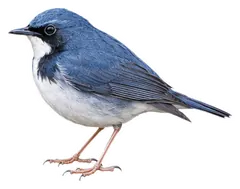 Siberian Blue RobinLarvivora cyane
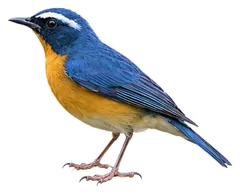 Indian Blue RobinLarvivora brunnea
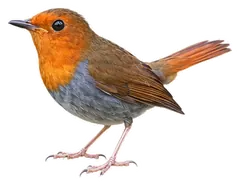 Izu RobinLarvivora tanensis
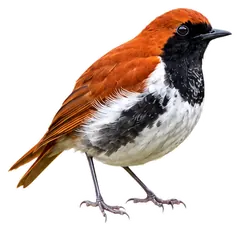 Ryukyu RobinLarvivora komadori
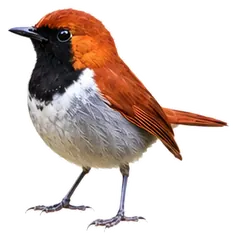 Okinawa RobinLarvivora namiyei
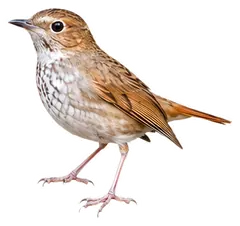 Rufous-tailed RobinLarvivora sibilans
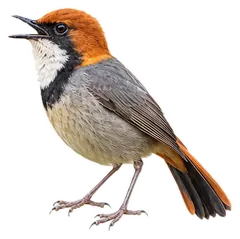 Rufous-headed RobinLarvivora ruficeps
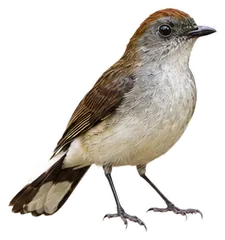 White-tailed AletheAlethe diademata
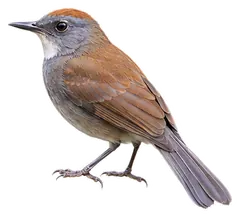 Fire-crested AletheAlethe castanea
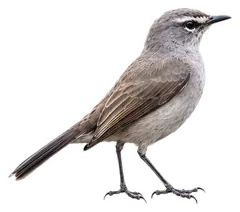 Karoo Scrub RobinTychaedon coryphoeus
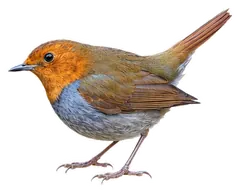
Download illustration
Free to use with credit: “Illustration: Bird Album (birdalbum.com)”. Drawn by AI from a reference photo by eeveefang. ↗
Heard it but can't see it? Mingji identifies birds by sound and photo, on your phone.