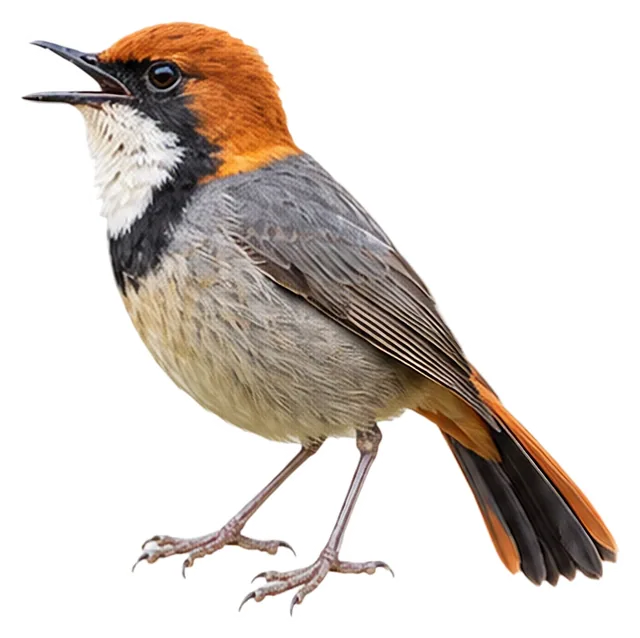
Rufous-headed Robin
Larvivora ruficeps Hartert, EJO, 1907
≈14 cmLength18 gWeight
This small robin has an orange-chestnut head, a black face, and a white throat bordered with black.
Busiest months: May · Most records: China
How to identify
Field marks
- Orange-chestnut head and black face
- White throat bordered with black
- Gray back, upper breast, and flanks
- Black tail with chestnut feather edges
Voice
Song is powerful, with clear phrases, most like that of Ryukyu Robin.
Where and when it's recorded
Busiest months: May · Most records: China

Rufous-headed Robin has been recorded at 6 of the 8,276 birding hotspots we track, in 1 country or region.
Records by month Northern Hemisphere
To protect this bird from disturbance, we don't list exact sites.
Countries and regions with the most records
eBird records via GBIF up to 2024-12-31. A record means someone listed it; more records partly mean more birders, not more birds.
About
The rufous-headed robin (Larvivora ruficeps) is a species of passerine bird in the family Muscicapidae. It is found in central China. Its natural habitats are temperate forests and temperate shrubland.
Excerpt from Wikipedia, CC BY-SA 4.0 · authors · Read more on Wikipedia
Questions
How big is the Rufous-headed Robin?
The Rufous-headed Robin is about ≈14 cm long and weighs around 18 g.
Where does the Rufous-headed Robin live?
Its breeding range: Palearctic: north-central China. It is most often recorded in China.
When is the best time to see the Rufous-headed Robin?
At the hotspots we track, it is recorded most in May (Northern Hemisphere).
Is the Rufous-headed Robin endangered?
The IUCN Red List classifies the Rufous-headed Robin as Endangered.
What does the Rufous-headed Robin eat?
Main food: Insects & other invertebrates.
What family is the Rufous-headed Robin in?
It belongs to the family Chats, Old World Flycatchers (Muscicapidae), order Passerines (Passeriformes).
At a glance
- Length
- ≈14 cm
- Weight
- 18 g
- Habitat
- Forest
- Diet
- Insects & other invertebrates
- Lifestyle
- Active on the ground
- Migration
- Migratory
- Conservation
- Endangered
More measurements
- Wing
- 77 mm
- Tail
- 53 mm
- Bill
- 14 mm
- Tarsus
- 27 mm
Averages from the AVONET dataset; length from field guides where available.
Range
Palearctic: north-central China
Breeding range, IOC World Bird List 15.2
Classification
- Order
- Passerines Passeriformes
- Family
- Chats, Old World Flycatchers Muscicapidae
- Genus
- Larvivora
Other birds in the genus Larvivora
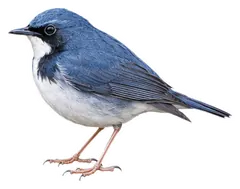 Siberian Blue RobinLarvivora cyane
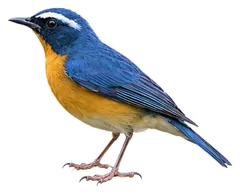 Indian Blue RobinLarvivora brunnea
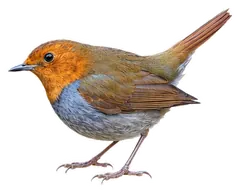 Japanese RobinLarvivora akahige
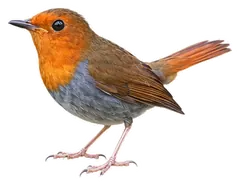 Izu RobinLarvivora tanensis
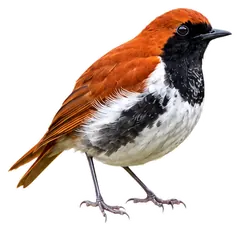 Ryukyu RobinLarvivora komadori
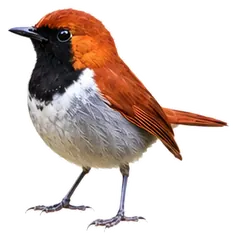 Okinawa RobinLarvivora namiyei
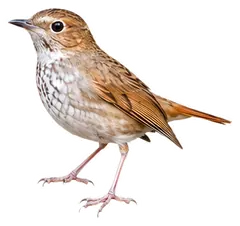 Rufous-tailed RobinLarvivora sibilans
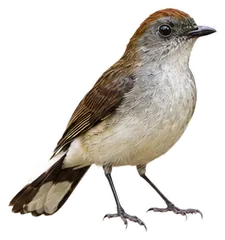 White-tailed AletheAlethe diademata
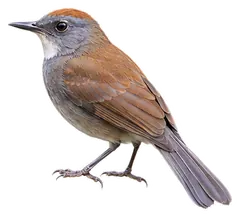 Fire-crested AletheAlethe castanea
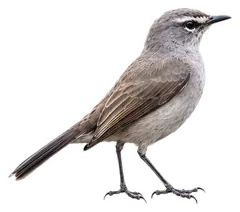 Karoo Scrub RobinTychaedon coryphoeus
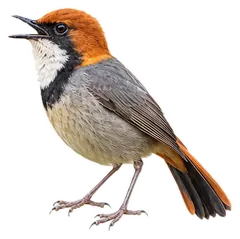
Download illustration
Free to use with credit: “Illustration: Bird Album (birdalbum.com)”. Drawn by AI from a reference photo by Pete Morris. ↗
Heard it but can't see it? Mingji identifies birds by sound and photo, on your phone.
In other languages
- EnglishRufous-headed Robin
- 简体中文棕头歌鸲
- 繁體中文紅頭歌鴝
- 日本語ズアカコマドリ
- DeutschRotkopfnachtigall
- FrançaisRossignol à tête rousse
- EspañolRuiseñor cabecirrojo
- Portuguêspisco-de-cabeça-ruiva
- ItalianoPettirosso testarossiccia
- NederlandsRoodkopnachtegaal
- РусскийРыжеголовый соловей
- Svenskarosthättad näktergal
- DanskShensinattergal
- Polskisłowik rdzawogłowy