 Bird Album
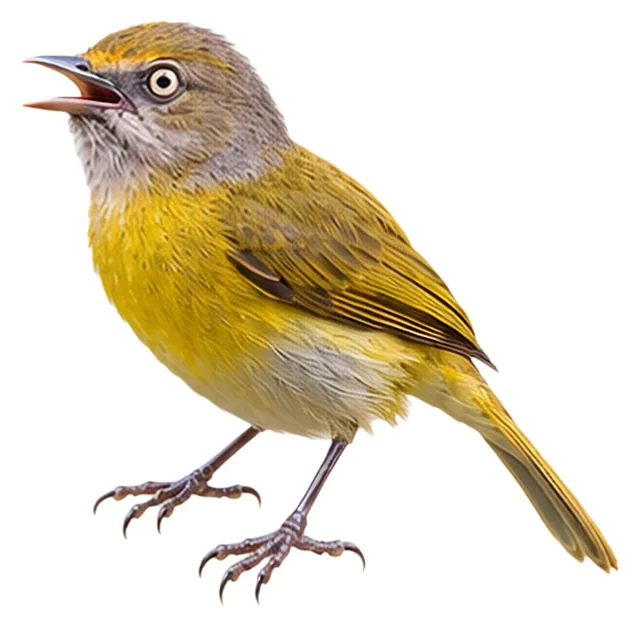
Lemon-chested Greenlet
Hylophilus thoracicus Temminck, 1822
10–13 cmLength14 gWeight
The lemon-chested greenlet (Hylophilus thoracicus) is a species of bird in the family Vireonidae, the vireos, greenlets, and shrike-babblers.
Most records: Brazil, Guyana, Peru
Where and when it's recorded

Lemon-chested Greenlet has been recorded at 106 of the 8,171 birding hotspots we track, in 9 countries and regions.
Records by month Southern Hemisphere
Where it's recorded most
- Parque Natural Municipal Bosque da BarraBrazil350 records
- Niterói – Rio João MendesBrazil325 records
- Angra dos Reis – Sertão de Mambucaba/PerequêBrazil225 records
More places
- Reserva Ecológica de GuapiaçuBrazil175 records
- RPPN Serra BonitaBrazil165 records
- Ubatuba – Fazenda AngelimBrazil153 records
- Fredberg – Zintete LodgeSuriname122 records
- Atta Lodge / Iwokrama Canopy WalkwayGuyana114 records
- Reserva Ecológica de Guapiaçu – AlagadosBrazil65 records
- Shiripuno LodgeEcuador64 records
Countries and regions with the most records
eBird records via GBIF up to 2024-12-31. A record means someone listed it; more records partly mean more birders, not more birds.
About
The lemon-chested greenlet (Hylophilus thoracicus) is a species of bird in the family Vireonidae, the vireos, greenlets, and shrike-babblers. It is found in Bolivia, Brazil, Colombia, Ecuador, French Guiana, Guyana, Peru, Suriname, and Venezuela.
Excerpt from Wikipedia, CC BY-SA 4.0 · authors · Read more on Wikipedia
Questions
How big is the Lemon-chested Greenlet?
The Lemon-chested Greenlet is about 10–13 cm long and weighs around 14 g.
Where does the Lemon-chested Greenlet live?
Its breeding range: South America: northern, central, southeastern. It is most often recorded in Brazil, Guyana and Peru.
Is the Lemon-chested Greenlet endangered?
The IUCN Red List classifies the Lemon-chested Greenlet as Least Concern.
What does the Lemon-chested Greenlet eat?
Main food: Insects & other invertebrates.
What family is the Lemon-chested Greenlet in?
It belongs to the family Vireos, Greenlets, Shrike-babblers (Vireonidae), order Passerines (Passeriformes).
At a glance
- Length
- 10–13 cm
- Weight
- 14 g
- Habitat
- Forest
- Diet
- Insects & other invertebrates
- Lifestyle
- Perches in trees
- Migration
- Resident (barely migrates)
- Conservation
- Least Concern
More measurements
- Wing
- 56 mm
- Tail
- 47 mm
- Bill
- 15 mm
- Tarsus
- 18 mm
Averages from the AVONET dataset; length from field guides where available.
Range
South America: northern, central, southeastern
Breeding range, IOC World Bird List 15.2
Classification
- Order
- Passerines Passeriformes
- Family
- Vireos, Greenlets, Shrike-babblers Vireonidae
- Genus
- Hylophilus
Other birds in the genus Hylophilus
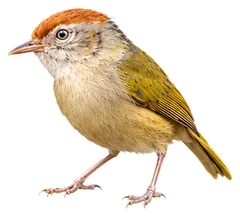 Grey-eyed GreenletHylophilus amaurocephalus
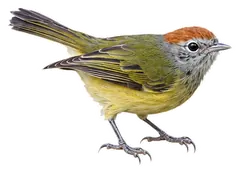 Rufous-crowned GreenletHylophilus poicilotis
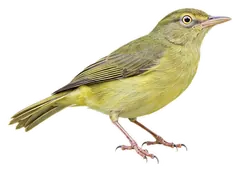 Olivaceous GreenletHylophilus olivaceus
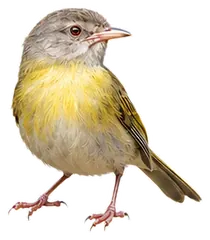 Ashy-headed GreenletHylophilus pectoralis
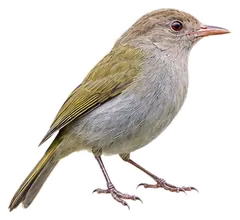 Brown-headed GreenletHylophilus brunneiceps
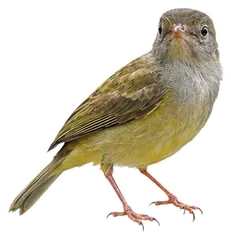 Scrub GreenletHylophilus flavipes
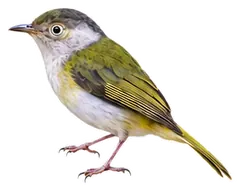 Grey-chested GreenletHylophilus semicinereus
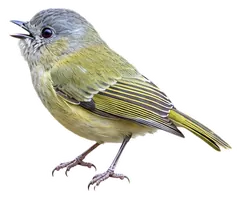 Green Shrike-babblerPteruthius xanthochlorus
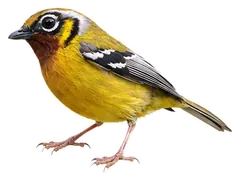 Black-eared Shrike-babblerPteruthius melanotis
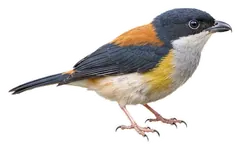 Black-headed Shrike-babblerPteruthius rufiventer
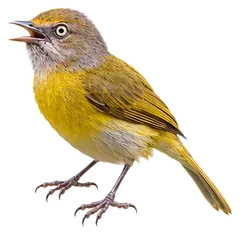
Download illustration
Free to use with credit: “Illustration: Bird Album (birdalbum.com)”. Drawn by AI from a reference photo by Joao Quental. ↗
Heard it but can't see it? Mingji identifies birds by sound and photo, on your phone.
In other languages
- EnglishLemon-chested Greenlet
- 简体中文里约绿莺雀
- 繁體中文檸黃胸綠鶯鵙
- 日本語リオデジャネイロヒメモズモドキ
- DeutschRio-de-Janeiro-Vireo
- FrançaisViréon à plastron
- EspañolVerdillo de Río de Janeiro
- Portuguêsvite-vite-de-peito-limão
- ItalianoVerdello pettolimone
- NederlandsCitroenborstvireo
- РусскийЖелтогрудый виреончик
- Svenskacitronbröstad vireo
- DanskCitronbrystet Dværgvireo
- Polskileśniak żółtopierśny