 Bird Album
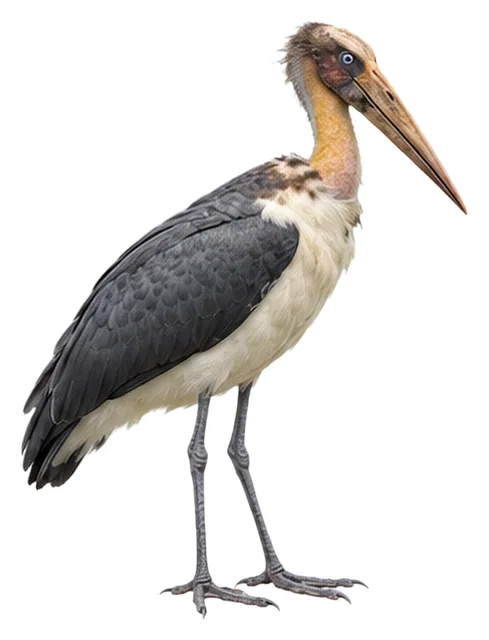
Lesser Adjutant
Leptoptilos javanicus (Horsfield, 1821)
87–93 cmLength4.7 kgWeight
This bird has an almost bare head and neck, dark upperparts and a white belly.
Busiest months: December–March · Most records: India, Malaysia, Cambodia
How to identify
Field marks
- Head and neck nearly bare, with only scattered fine feathers
- Upperparts uniformly dark, almost entirely black
- Belly and undertail white
- No hanging gular pouch below the neck
Male, female and young
Sexes similar in plumage; male usually larger with a thicker bill; juvenile has duller plumage and more feathers on the nape.
Voice
Usually silent; bill-clattering, hissing and low moaning near the nest.
Where and when it's recorded

Lesser Adjutant has been recorded at 206 of the 8,171 birding hotspots we track, in 14 countries and regions.
Records by month Northern Hemisphere
Where it's recorded most
- Kaziranga NP & Surroundings – Eastern RangeIndia739 records
- Kaziranga NP & Surroundings – Central RangeIndia696 records
- Sungei Buloh Wetland ReserveSingapore673 records
More places
- Prek Toal Bird SanctuaryCambodia650 records
- Kaziranga NP & Surroundings – Western RangeIndia634 records
- Kaziranga NP & SurroundingsIndia610 records
- Yala National ParkSri Lanka550 records
- Bandhavgarh NPIndia499 records
- Kanha NP – Mukki ZoneIndia432 records
- Prek ToalCambodia422 records
Countries and regions with the most records
eBird records via GBIF up to 2024-12-31. A record means someone listed it; more records partly mean more birders, not more birds.
About
The lesser adjutant (Leptoptilos javanicus) is a large wading bird in the stork family Ciconiidae. Like other members of its genus, it has a bare neck and head. It is however more closely associated with wetland habitats and agriculture fields where it is solitary and is less likely to scavenge than the related greater adjutant.
Excerpt from Wikipedia, CC BY-SA 4.0 · authors · Read more on Wikipedia
Questions
How big is the Lesser Adjutant?
The Lesser Adjutant is about 87–93 cm long and weighs around 4.7 kg.
Where does the Lesser Adjutant live?
Its breeding range: Oriental: Nepal and India through Southeast Asia to Greater Sundas. It is most often recorded in India, Malaysia and Cambodia.
When is the best time to see the Lesser Adjutant?
At the hotspots we track, it is recorded most in January, February, March and December (Northern Hemisphere).
Is the Lesser Adjutant endangered?
The IUCN Red List classifies the Lesser Adjutant as Near Threatened.
What does the Lesser Adjutant eat?
Main food: Omnivore.
What family is the Lesser Adjutant in?
It belongs to the family Storks (Ciconiidae), order Ciconiiformes.
At a glance
- Length
- 87–93 cm
- Weight
- 4.7 kg
- Habitat
- Wetland
- Diet
- Omnivore
- Lifestyle
- Active on the ground
- Migration
- Partial migrant
- Conservation
- Near Threatened
More measurements
- Wing
- 625 mm
- Tail
- 277 mm
- Bill
- 280 mm
- Tarsus
- 250 mm
Averages from the AVONET dataset; length from field guides where available.
Range
Oriental: Nepal and India through Southeast Asia to Greater Sundas
Breeding range, IOC World Bird List 15.2
Classification
- Order
- Ciconiiformes
- Family
- Storks Ciconiidae
- Genus
- Leptoptilos
Other birds in the genus Leptoptilos
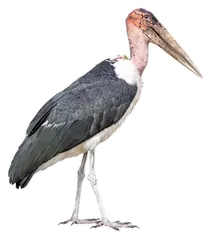 Marabou StorkLeptoptilos crumenifer
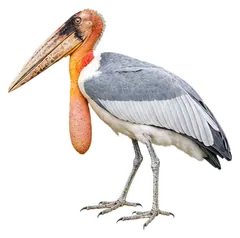 Greater AdjutantLeptoptilos dubius
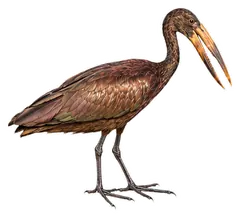 African OpenbillAnastomus lamelligerus
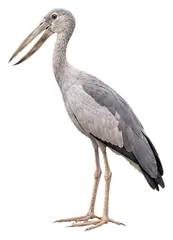 Asian OpenbillAnastomus oscitans
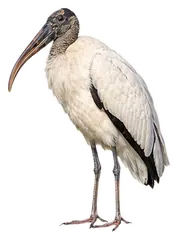 Wood StorkMycteria americana
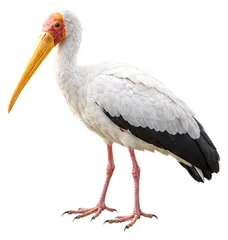 Yellow-billed StorkMycteria ibis
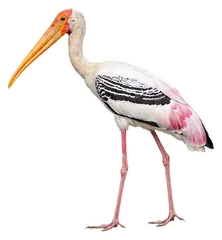 Painted StorkMycteria leucocephala
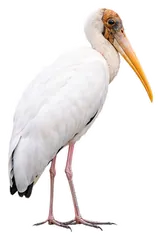 Milky StorkMycteria cinerea
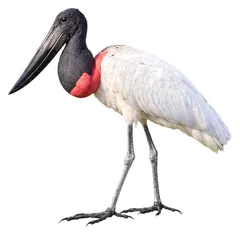 JabiruJabiru mycteria
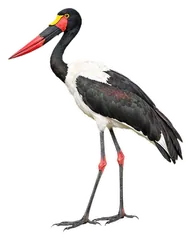 Saddle-billed StorkEphippiorhynchus senegalensis
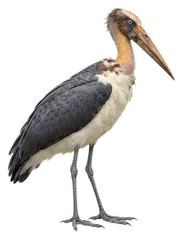
Download illustration
Free to use with credit: “Illustration: Bird Album (birdalbum.com)”. Drawn by AI from a reference photo by Ashim Gogoi. ↗
Heard it but can't see it? Mingji identifies birds by sound and photo, on your phone.