 Bird Album
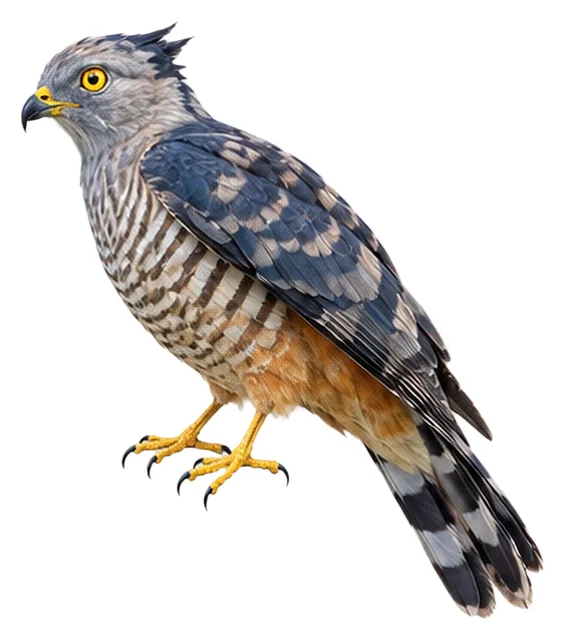
Pacific Baza
Aviceda subcristata (Gould, 1838)
323 gWeight
The Pacific baza (Aviceda subcristata), also known as the crested hawk, crested baza, and Pacific cuckoo-falcon, is a slender, medium-sized species of hawk in the family Accipitridae.
Busiest months: July–October · Most records: Australia, Papua New Guinea, Indonesia
Where and when it's recorded

Pacific Baza has been recorded at 156 of the 8,171 birding hotspots we track, in 5 countries and regions.
Records by month Southern Hemisphere
Where it's recorded most
- Sandy Camp Road WetlandsAustralia362 records
- Cairns Botanical Gardens and Centenary LakesAustralia297 records
- Varirata National ParkPapua New Guinea291 records
More places
- Townsville Town Common Conservation ParkAustralia279 records
- Anstead Bushland ReserveAustralia234 records
- Gold Creek ReservoirAustralia231 records
- Kumbartcho SanctuaryAustralia217 records
- Oxley Creek CommonAustralia176 records
- Kingfisher Park Birdwatchers LodgeAustralia173 records
- Kingfisher Park Birdwatchers Lodge – Morning WalkAustralia153 records
Countries and regions with the most records
eBird records via GBIF up to 2024-12-31. A record means someone listed it; more records partly mean more birders, not more birds.
About
The Pacific baza (Aviceda subcristata), also known as the crested hawk, crested baza, and Pacific cuckoo-falcon, is a slender, medium-sized species of hawk in the family Accipitridae. It is mostly grey, brown, and white coloured and grows to a length of 35–46 centimetres (14–18 in). It is an omnivore and usually does not migrate.
Excerpt from Wikipedia, CC BY-SA 4.0 · authors · Read more on Wikipedia
Questions
How big is the Pacific Baza?
The Pacific Baza weighs around 323 g.
Where does the Pacific Baza live?
Its breeding range: Australasia: Wallacea (except Sulawesi), New Guinea region, northern, eastern Australia, Bismarck Archipelago and Solomon Islands. It is most often recorded in Australia, Papua New Guinea and Indonesia.
When is the best time to see the Pacific Baza?
At the hotspots we track, it is recorded most in July, August, September and October (Southern Hemisphere).
Is the Pacific Baza endangered?
The IUCN Red List classifies the Pacific Baza as Least Concern.
What does the Pacific Baza eat?
Main food: Omnivore.
What family is the Pacific Baza in?
It belongs to the family Kites, Hawks, Eagles (Accipitridae), order Accipitriformes.
At a glance
- Weight
- 323 g
- Habitat
- Forest
- Diet
- Omnivore
- Lifestyle
- Perches in trees
- Migration
- Resident (barely migrates)
- Conservation
- Least Concern
More measurements
- Wing
- 337 mm
- Tail
- 202 mm
- Bill
- 28 mm
- Tarsus
- 36 mm
Averages from the AVONET dataset; length from field guides where available.
Range
Australasia: Wallacea (except Sulawesi), New Guinea region, northern, eastern Australia, Bismarck Archipelago and Solomon Islands
Breeding range, IOC World Bird List 15.2
Classification
- Order
- Accipitriformes
- Family
- Kites, Hawks, Eagles Accipitridae
- Genus
- Aviceda
Other birds in the genus Aviceda
 African Cuckoo-HawkAviceda cuculoides
 Madagascar Cuckoo-HawkAviceda madagascariensis
 Jerdon's BazaAviceda jerdoni
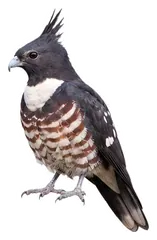 Black BazaAviceda leuphotes
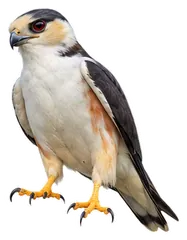 Pearl KiteGampsonyx swainsonii
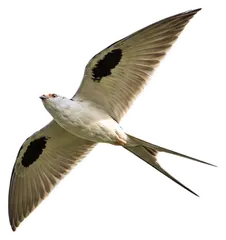 Scissor-tailed KiteChelictinia riocourii
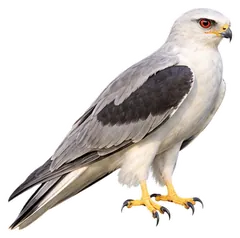 White-tailed KiteElanus leucurus
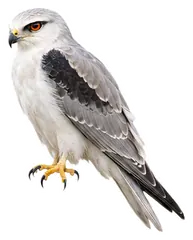 Black-winged KiteElanus caeruleus
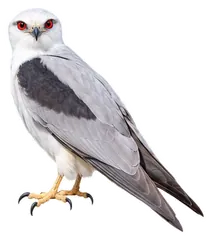 Black-shouldered KiteElanus axillaris
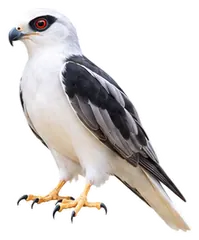 Letter-winged KiteElanus scriptus
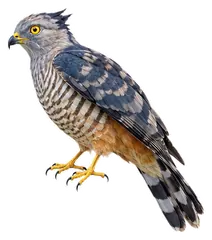
Download illustration
Free to use with credit: “Illustration: Bird Album (birdalbum.com)”. Drawn by AI from reference photos. ↗
Heard it but can't see it? Mingji identifies birds by sound and photo, on your phone.