 Bird Album
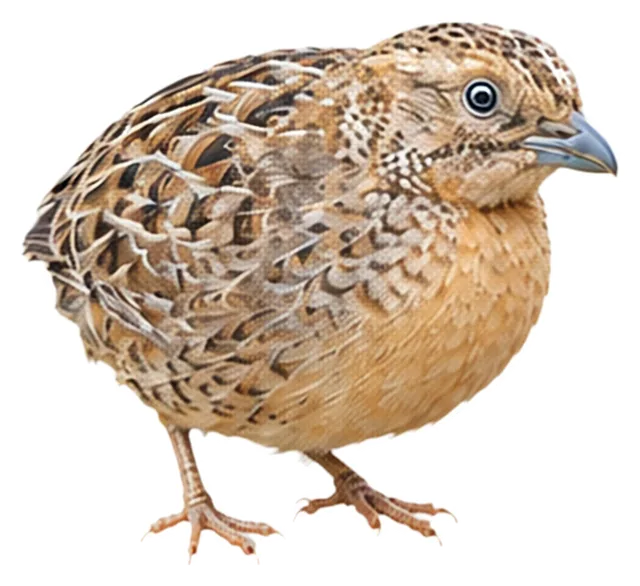
Red-chested Buttonquail
Turnix pyrrhothorax (Gould, 1841)
12–16 cmLength46 gWeight
The red-chested buttonquail (Turnix pyrrhothorax) is a species of bird in the family Turnicidae.
Busiest months: December · Most records: Australia
Where and when it's recorded
Busiest months: December · Most records: Australia

Red-chested Buttonquail has been recorded at 22 of the 8,276 birding hotspots we track, in 1 country or region.
Records by month Southern Hemisphere
Where it's recorded most
- Lake Samsonvale – Golds Scrub LaneAustralia70 records
- Roebuck Plains StationAustralia28 records
- Holmes Jungle Nature ReserveAustralia24 records
More places
- Bowra Wildlife SanctuaryAustralia12 records
- Terrick Terrick National ParkAustralia8 records
- Lake Samsonvale – Postmans TrackAustralia8 records
- Cairns Esplanade – Northern EndAustralia8 records
- Lake EdaAustralia7 records
- Cairns EsplanadeAustralia6 records
- Port BundabergAustralia3 records
Countries and regions with the most records
eBird records via GBIF up to 2024-12-31. A record means someone listed it; more records partly mean more birders, not more birds.
About
The red-chested buttonquail (Turnix pyrrhothorax) is a species of bird in the family Turnicidae.
Excerpt from Wikipedia, CC BY-SA 4.0 · authors · Read more on Wikipedia
Questions
How big is the Red-chested Buttonquail?
The Red-chested Buttonquail is about 12–16 cm long and weighs around 46 g.
Where does the Red-chested Buttonquail live?
Its breeding range: Australasia: Australia (except northern, southeastern, Tasmania). It is most often recorded in Australia.
When is the best time to see the Red-chested Buttonquail?
At the hotspots we track, it is recorded most in December (Southern Hemisphere).
Is the Red-chested Buttonquail endangered?
The IUCN Red List classifies the Red-chested Buttonquail as Least Concern.
What does the Red-chested Buttonquail eat?
Main food: Omnivore.
What family is the Red-chested Buttonquail in?
It belongs to the family Buttonquail (Turnicidae), order Charadriiformes.
At a glance
- Length
- 12–16 cm
- Weight
- 46 g
- Habitat
- Grassland
- Diet
- Omnivore
- Lifestyle
- Active on the ground
- Migration
- Resident (barely migrates)
- Conservation
- Least Concern
More measurements
- Wing
- 73 mm
- Tail
- 29 mm
- Bill
- 12 mm
- Tarsus
- 19 mm
Averages from the AVONET dataset; length from field guides where available.
Range
Australasia: Australia (except northern, southeastern, Tasmania)
Breeding range, IOC World Bird List 15.2
Classification
- Order
- Charadriiformes
- Family
- Buttonquail Turnicidae
- Genus
- Turnix
Other birds in the genus Turnix
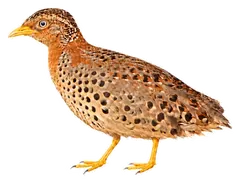 Yellow-legged ButtonquailTurnix tanki
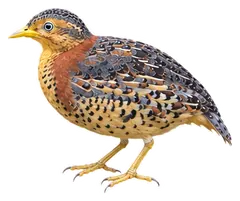 Red-backed ButtonquailTurnix maculosus
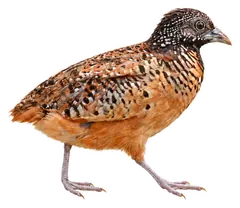 Barred ButtonquailTurnix suscitator
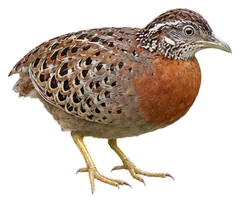 Spotted ButtonquailTurnix ocellatus
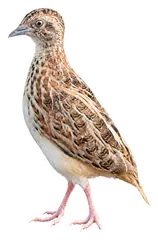 Common ButtonquailTurnix sylvaticus
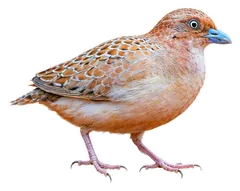 Little ButtonquailTurnix velox
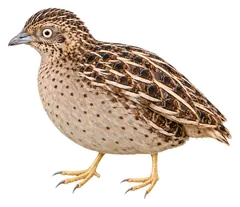 Luzon ButtonquailTurnix worcesteri
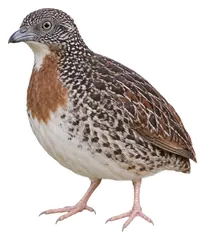 Sumba ButtonquailTurnix everetti
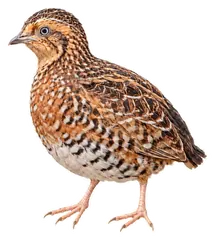 Black-rumped ButtonquailTurnix nanus
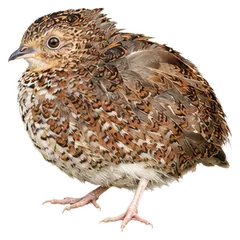 Fynbos ButtonquailTurnix hottentottus
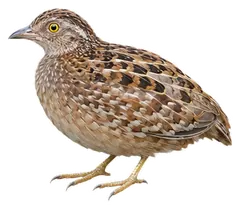 Chestnut-backed ButtonquailTurnix castanotus
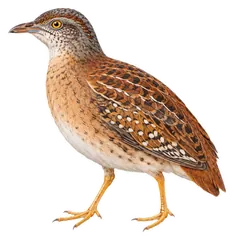 Buff-breasted ButtonquailTurnix olivii
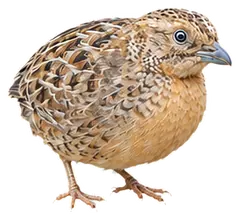
Download illustration
Free to use with credit: “Illustration: Bird Album (birdalbum.com)”. Drawn by AI from a reference photo by Indra Bone. ↗
Heard it but can't see it? Mingji identifies birds by sound and photo, on your phone.
In other languages
- EnglishRed-chested Buttonquail
- 简体中文红胸三趾鹑
- 繁體中文紅胸三趾鶉
- 日本語ムネアカミフウズラ
- DeutschRotbrust-Laufhühnchen
- FrançaisTurnix à poitrine rousse
- EspañolTorillo pechirrufo
- Portuguêstoirão-de-peito-vermelho
- ItalianoQuaglia tridattila pettorosso
- NederlandsRoodborstvechtkwartel
- РусскийКрасногрудая трёхперстка
- Svenskarödbröstad springhöna
- DanskRødbrystet Løbehøne
- Polskiprzepiórnik rdzawopierśny