 Bird Album
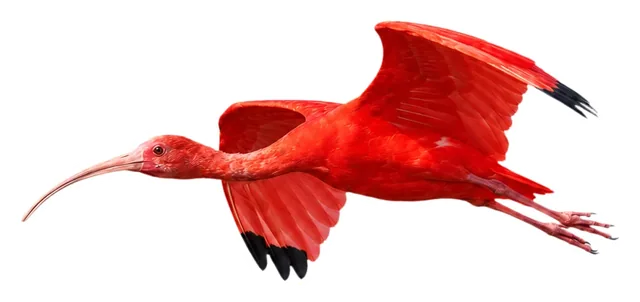
Scarlet Ibis
Eudocimus ruber (Linnaeus, 1758)
55–63 cmLength54 cmWingspan660 gWeight
The adult is bright red overall, with just a little black at the wingtips.
Busiest months: December–February · Most records: Trinidad & Tobago, Colombia, Venezuela
How to identify
Field marks
- Adult red overall with black wingtips
- Slender, decurved bill
- Bill, legs and feet red; bill tip sometimes black
- Neck and legs extended in flight
Male, female and young
The male is slightly larger than the female; juveniles are gray, brown and white, gradually turning red over about two years.
Where and when it's recorded

Scarlet Ibis has been recorded at 99 of the 8,171 birding hotspots we track, in 20 countries and regions.
Records by month Northern Hemisphere
Where it's recorded most
- Caroni SwampTrinidad & Tobago1,923 records
- SFF Los Flamencos – Resguardo Perratpu/Boca de CamaronesColombia802 records
- Orange ValleyTrinidad & Tobago429 records
More places
- SFF Los Flamencos – Ciénaga del Navío QuebradoColombia428 records
- Hato El CedralVenezuela375 records
- Caroni Bird Sanctuary visitor centreTrinidad & Tobago315 records
- Hato La Aurora – Ecolodge Juan SolitoColombia252 records
- Hato PiñeroVenezuela243 records
- Finca Villa NiceColombia200 records
- Universidad de Los LlanosColombia199 records
Countries and regions with the most records
eBird records via GBIF up to 2024-12-31. A record means someone listed it; more records partly mean more birders, not more birds.
About
The scarlet ibis, sometimes called red ibis (Eudocimus ruber), is a species of ibis in the bird family Threskiornithidae. It inhabits tropical South America and part of the Caribbean. In form, it resembles most of the other twenty-seven extant species of ibis, but its remarkably brilliant scarlet coloration makes it unmistakable.
Excerpt from Wikipedia, CC BY-SA 4.0 · authors · Read more on Wikipedia
Questions
How big is the Scarlet Ibis?
The Scarlet Ibis is about 55–63 cm long, with a wingspan of 54 cm and weighs around 660 g.
Where does the Scarlet Ibis live?
Its breeding range: South America: northern, eastern Colombia and eastern Ecuador to northeastern Brazil. It is most often recorded in Trinidad & Tobago, Colombia and Venezuela.
When is the best time to see the Scarlet Ibis?
At the hotspots we track, it is recorded most in January, February and December (Northern Hemisphere).
Is the Scarlet Ibis endangered?
The IUCN Red List classifies the Scarlet Ibis as Least Concern.
What does the Scarlet Ibis eat?
Main food: Fish, shrimp & shellfish.
What family is the Scarlet Ibis in?
It belongs to the family Ibises, Spoonbills (Threskiornithidae), order Pelecaniformes.
At a glance
- Length
- 55–63 cm
- Wingspan
- 54 cm
- Weight
- 660 g
- Habitat
- Wetland
- Diet
- Fish, shrimp & shellfish
- Lifestyle
- Active on the ground
- Migration
- Partial migrant
- Conservation
- Least Concern
More measurements
- Wing
- 260 mm
- Tail
- 87 mm
- Bill
- 145 mm
- Tarsus
- 82 mm
Averages from the AVONET dataset; length from field guides where available.
Range
South America: northern, eastern Colombia and eastern Ecuador to northeastern Brazil
Breeding range, IOC World Bird List 15.2
Classification
- Order
- Pelecaniformes
- Family
- Ibises, Spoonbills Threskiornithidae
- Genus
- Eudocimus
Other birds in the genus Eudocimus
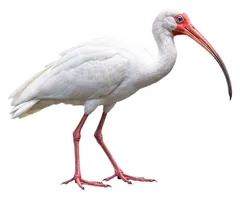 American White IbisEudocimus albus
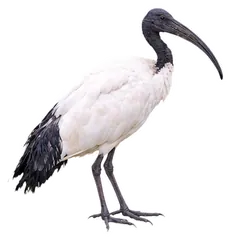 African Sacred IbisThreskiornis aethiopicus
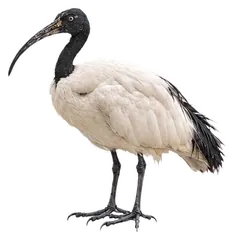 Malagasy Sacred IbisThreskiornis bernieri
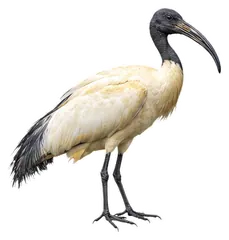 Black-headed IbisThreskiornis melanocephalus
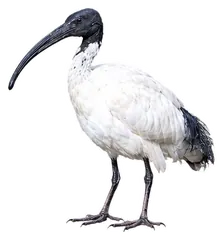 Australian White IbisThreskiornis molucca
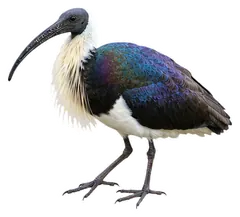 Straw-necked IbisThreskiornis spinicollis
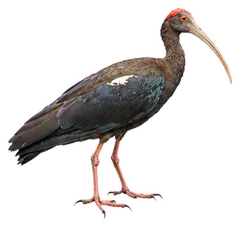 Red-naped IbisPseudibis papillosa
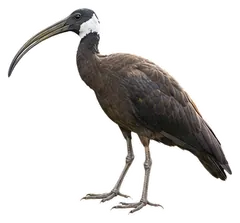 White-shouldered IbisPseudibis davisoni
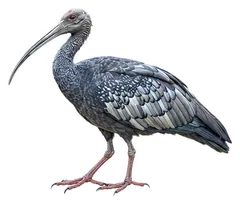 Giant IbisPseudibis gigantea
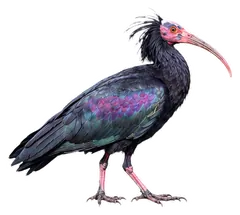 Northern Bald IbisGeronticus eremita
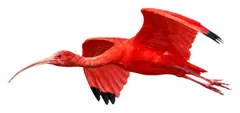
Download illustration
Free to use with credit: “Illustration: Bird Album (birdalbum.com)”. Drawn by AI from a reference photo by Miguel. ↗
Heard it but can't see it? Mingji identifies birds by sound and photo, on your phone.