 Bird Album
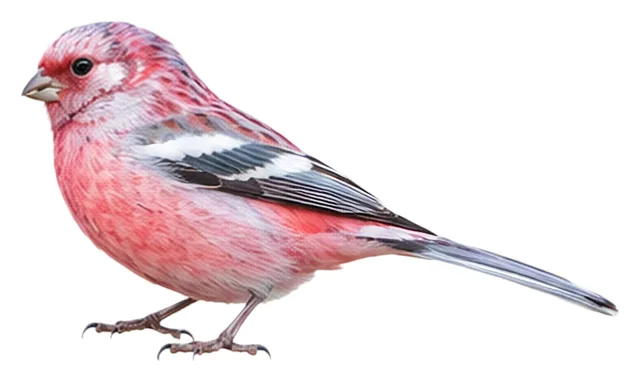
Siberian Long-tailed Rosefinch
Carpodacus sibiricus (Pallas, 1773)
≈15 cmLength17 gWeight
It often occurs in low scrub and streamside willows, and also visits parks and nurseries.
Busiest months: January · Most records: Japan, China, Russia
How to identify
Where and when it's recorded

Siberian Long-tailed Rosefinch has been recorded at 198 of the 8,171 birding hotspots we track, in 10 countries and regions.
Records by month Northern Hemisphere
Where it's recorded most
- Muravyevka ParkRussia661 records
- Lingshan Scenic AreaChina301 records
- Mongolica Resort, UB, MNMongolia159 records
More places
- Urqihan [General Area]China158 records
- Niigata – Lake ToyanogataJapan123 records
- Tochigi – Watarase Retention Ponds / Yanaka LakeJapan116 records
- Karuizawa – Karuizawa Wild Bird SanctuaryJapan90 records
- Osaki – Kabukuri MarshJapan77 records
- Seoul – Gangseo Wetland Eco ParkSouth Korea75 records
- Marshal Bridge, Riparian Forest of Tuul River, UB, MNMongolia73 records
Countries and regions with the most records
eBird records via GBIF up to 2024-12-31. A record means someone listed it; more records partly mean more birders, not more birds.
Questions
How big is the Siberian Long-tailed Rosefinch?
The Siberian Long-tailed Rosefinch is about ≈15 cm long and weighs around 17 g.
Where does the Siberian Long-tailed Rosefinch live?
Its breeding range: Palearctic: temperate central, eastern Palearctic in thickets, grassland, reedbeds: central European Russia, northeastern Kazakhstan (rare), far northern Xinjiang (northwestern China) and northern Mongolia east through Sakhalin and Kuril Islands (eastern Russia), Hokkaido (northern Japan) and northeastern Inner Mongolia and Heilongjiang (northeastern China). It is most often recorded in Japan, China and Russia.
When is the best time to see the Siberian Long-tailed Rosefinch?
At the hotspots we track, it is recorded most in January (Northern Hemisphere).
Is the Siberian Long-tailed Rosefinch endangered?
The IUCN Red List classifies the Siberian Long-tailed Rosefinch as Least Concern.
What does the Siberian Long-tailed Rosefinch eat?
Main food: Omnivore.
What family is the Siberian Long-tailed Rosefinch in?
It belongs to the family Finches, Euphonias (Fringillidae), order Passerines (Passeriformes).
At a glance
- Length
- ≈15 cm
- Weight
- 17 g
- Habitat
- Shrubland
- Diet
- Omnivore
- Lifestyle
- Perches in trees
- Migration
- Partial migrant
- Conservation
- Least Concern
More measurements
- Wing
- 71 mm
- Tail
- 87 mm
- Bill
- 11 mm
- Tarsus
- 15 mm
Averages from the AVONET dataset; length from field guides where available.
Range
Palearctic: temperate central, eastern Palearctic in thickets, grassland, reedbeds: central European Russia, northeastern Kazakhstan (rare), far northern Xinjiang (northwestern China) and northern Mongolia east through Sakhalin and Kuril Islands (eastern Russia), Hokkaido (northern Japan) and northeastern Inner Mongolia and Heilongjiang (northeastern China)
Breeding range, IOC World Bird List 15.2
Subspecies · 2
- Carpodacus sibiricus sibiricus sw Siberia and ne Kazakhstan to n Mongolia and nc China
- Carpodacus sibiricus ussuriensis e Siberia and ne China
Classification
- Order
- Passerines Passeriformes
- Family
- Finches, Euphonias Fringillidae
- Genus
- Carpodacus
Other birds in the genus Carpodacus
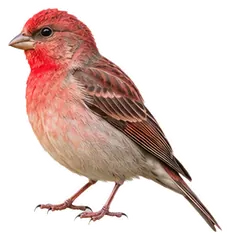 Common RosefinchCarpodacus erythrinus
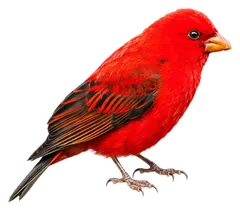 Scarlet FinchCarpodacus sipahi
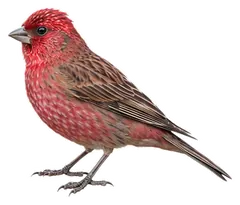 Streaked RosefinchCarpodacus rubicilloides
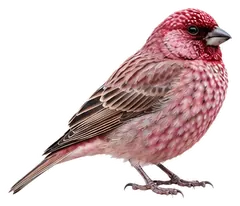 Great RosefinchCarpodacus rubicilla
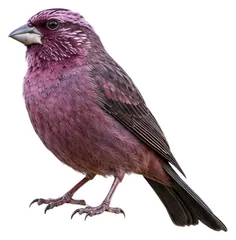 Blyth's RosefinchCarpodacus grandis
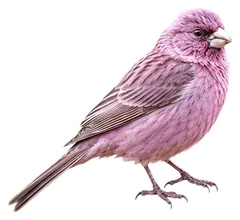 Red-mantled RosefinchCarpodacus rhodochlamys
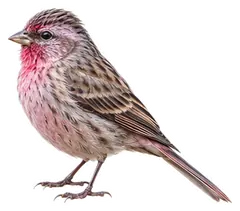 Himalayan Beautiful RosefinchCarpodacus pulcherrimus
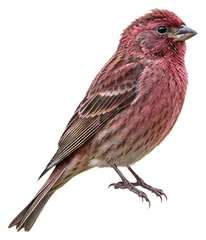 Chinese Beautiful RosefinchCarpodacus davidianus
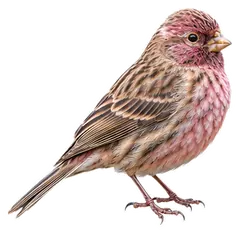 Pink-rumped RosefinchCarpodacus waltoni
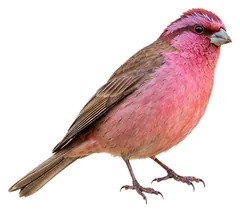 Pink-browed RosefinchCarpodacus rodochroa
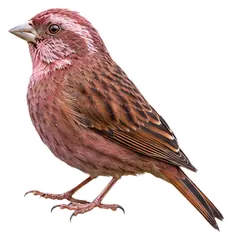 Dark-rumped RosefinchCarpodacus edwardsii
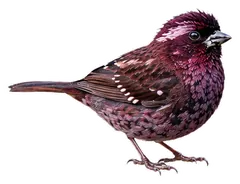 Spot-winged RosefinchCarpodacus rodopeplus
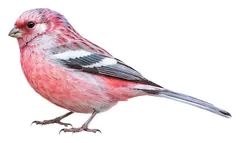
Download illustration
Free to use with credit: “Illustration: Bird Album (birdalbum.com)”. Drawn by AI from a reference photo by VLASOV EGOR (egorbirder). ↗

Heard it but can't see it? Mingji identifies birds by sound and photo, on your phone.
In other languages
- EnglishSiberian Long-tailed Rosefinch
- 简体中文长尾雀
- 繁體中文長尾雀
- 日本語ベニマシコ
- 한국어긴꼬리홍양진이
- DeutschMeisengimpel
- FrançaisRoselin à longue queue
- EspañolCamachuelo colilargo
- Portuguêspeito-rosado-rabilongo-siberiano
- ItalianoCiuffolotto siberiano
- NederlandsLangstaartroodmus
- РусскийУрагус
- Svenskalångstjärtad rosenfink
- DanskLanghalet Rosenfinke
- Polskigiluszek