 Bird Album
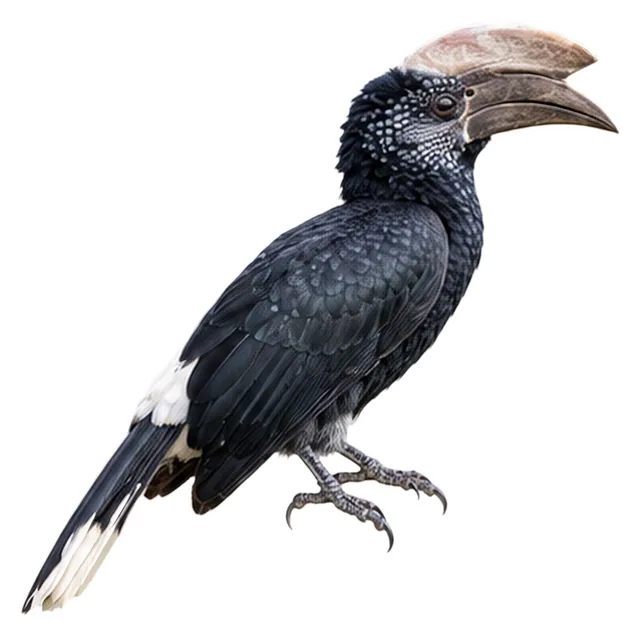
Silvery-cheeked Hornbill
Bycanistes brevis Friedmann, 1929
1.2 kgWeight
The silvery-cheeked hornbill (Bycanistes brevis) is a large species of hornbill found in Africa.
Busiest months: October–November · Most records: Tanzania, Kenya, Ethiopia
Where and when it's recorded

Silvery-cheeked Hornbill has been recorded at 77 of the 8,171 birding hotspots we track, in 6 countries and regions.
Records by month Southern Hemisphere
Where it's recorded most
- Lake Manyara NPTanzania741 records
- Mt Kenya NP – Castle Forest and LodgeKenya487 records
- East Usambara Mountains – Amani Nature ReserveTanzania470 records
More places
- Arusha NPTanzania416 records
- Ngare Sero Mountain LodgeTanzania370 records
- Hara Langano LodgeEthiopia216 records
- Wondo GenetEthiopia213 records
- Bishangari LodgeEthiopia147 records
- Lake Awassa – United Africa Shebelle Hotel areaEthiopia134 records
- Lake DulutiTanzania134 records
Countries and regions with the most records
eBird records via GBIF up to 2024-12-31. A record means someone listed it; more records partly mean more birders, not more birds.
About
The silvery-cheeked hornbill (Bycanistes brevis) is a large species of hornbill found in Africa. Silvery-cheeked hornbills are residents of the tall evergreen forests of East Africa from Ethiopia to South Africa. In Zimbabwe it is threatened by habitat destruction and its presence in South Africa is marginal, but it remains locally fairly common, especially in the northern and central parts of its range.
Excerpt from Wikipedia, CC BY-SA 4.0 · authors · Read more on Wikipedia
Questions
How big is the Silvery-cheeked Hornbill?
The Silvery-cheeked Hornbill weighs around 1.2 kg.
Where does the Silvery-cheeked Hornbill live?
Its breeding range: Africa: South Sudan and Ethiopia to Mozambique. It is most often recorded in Tanzania, Kenya and Ethiopia.
When is the best time to see the Silvery-cheeked Hornbill?
At the hotspots we track, it is recorded most in October and November (Southern Hemisphere).
Is the Silvery-cheeked Hornbill endangered?
The IUCN Red List classifies the Silvery-cheeked Hornbill as Least Concern.
What does the Silvery-cheeked Hornbill eat?
Main food: Fruit.
What family is the Silvery-cheeked Hornbill in?
It belongs to the family Hornbills (Bucerotidae), order Bucerotiformes.
At a glance
- Weight
- 1.2 kg
- Habitat
- Forest
- Diet
- Fruit
- Lifestyle
- Perches in trees
- Migration
- Resident (barely migrates)
- Conservation
- Least Concern
More measurements
- Wing
- 355 mm
- Tail
- 293 mm
- Bill
- 149 mm
- Tarsus
- 53 mm
Averages from the AVONET dataset; length from field guides where available.
Range
Africa: South Sudan and Ethiopia to Mozambique
Breeding range, IOC World Bird List 15.2
Classification
- Order
- Bucerotiformes
- Family
- Hornbills Bucerotidae
- Genus
- Bycanistes
Other birds in the genus Bycanistes
 Piping HornbillBycanistes fistulator
 Trumpeter HornbillBycanistes bucinator
 Brown-cheeked HornbillBycanistes cylindricus
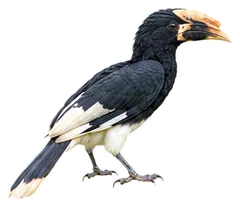 White-thighed HornbillBycanistes albotibialis
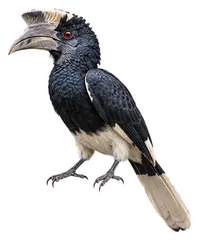 Black-and-white-casqued HornbillBycanistes subcylindricus
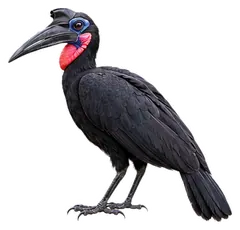 Abyssinian Ground HornbillBucorvus abyssinicus
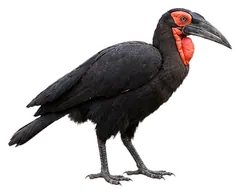 Southern Ground HornbillBucorvus leadbeateri
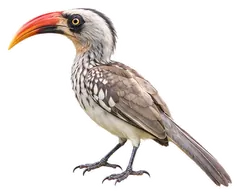 Tanzanian Red-billed HornbillTockus ruahae
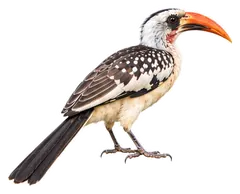 Western Red-billed HornbillTockus kempi
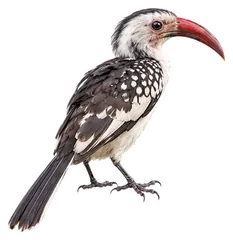 Damara Red-billed HornbillTockus damarensis
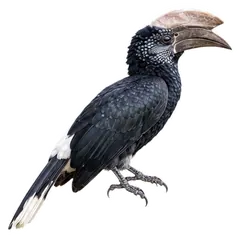
Download illustration
Free to use with credit: “Illustration: Bird Album (birdalbum.com)”. Drawn by AI from a reference photo by Tarique Sani. ↗
Heard it but can't see it? Mingji identifies birds by sound and photo, on your phone.
In other languages
- EnglishSilvery-cheeked Hornbill
- 简体中文银颊噪犀鸟
- 繁體中文銀頰噪犀鳥
- 日本語ギンガオサイチョウ
- DeutschSilberwangen-Hornvogel
- FrançaisCalao à joues argent
- EspañolCálao cariplateado
- Portuguêscalau-de-faces-prateadas
- ItalianoBucero guanceargento
- NederlandsZilveroorneushoornvogel
- РусскийСеребристощёкий шлеморог
- Svenskasilverkindad näshornsfågel
- DanskSølvkindet Hornfugl
- Polskidzioborożec srebrnolicy