 Bird Album
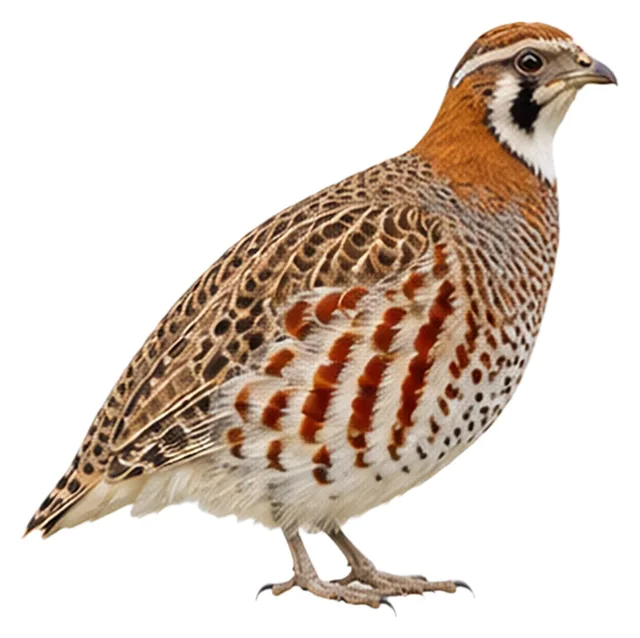
Tibetan Partridge
Perdix hodgsoniae (Hodgson, 1856)
≈32 cmLength364 gWeight
It has a sharply patterned black-and-white face and chestnut collar, gathering in flocks outside the breeding season and running more than it flies.
Busiest months: June–July · Most records: China
Looks like Daurian Partridge, Grey Partridge
How to identify
Field marks
- Forehead, broad supercilium, face and throat white
- One broad black stripe below the eye
- Chestnut collar on the nape
- Back buff, with chestnut and black barring
Male, female and young
Female has barring within the black belly patch and is duller overall; juvenile buff-brown overall, lacking the adult's face and underparts markings.
Voice
A rattling “scherrrrreck” is often heard in the morning; in flight, it gives a sharp “chee chee chee”.
Similar species
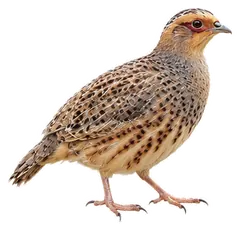
Members of the same genus share a brown back, black belly patch and chestnut flanks; Tibetan Partridge has a conspicuous black-and-white face pattern and chestnut collar.
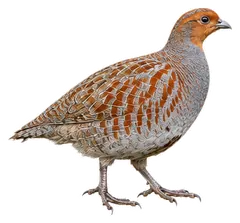
Members of the same genus share a brown back, black belly patch and chestnut flanks; Tibetan Partridge has a conspicuous black-and-white face pattern and chestnut collar.
Where and when it's recorded

Tibetan Partridge has been recorded at 60 of the 8,171 birding hotspots we track, in 1 country or region.
Records by month Northern Hemisphere
Where it's recorded most
- Kanda MountainChina73 records
- Shugseb NunneryChina65 records
- Rubber Mountain PassChina26 records
More places
- Baizha ForestChina26 records
- Temple of Princess WenchengChina21 records
- Qinghai Lake – K11 hillChina16 records
- Balang Shan [General Area]China14 records
- Yushu Airport & VicinityChina13 records
- AngsaiChina12 records
- GangshikaChina11 records
Countries and regions with the most records
eBird records via GBIF up to 2024-12-31. A record means someone listed it; more records partly mean more birders, not more birds.
About
The Tibetan partridge (Perdix hodgsoniae) is a gamebird in the pheasant family Phasianidae of the order Galliformes. They forage on the ground in the sparsely vegetated high altitude regions, moving in pairs during the summer and in larger groups during the non-breeding season. Neither males nor females have spurs on their legs.
Excerpt from Wikipedia, CC BY-SA 4.0 · authors · Read more on Wikipedia
Questions
How big is the Tibetan Partridge?
The Tibetan Partridge is about ≈32 cm long and weighs around 364 g.
Where does the Tibetan Partridge live?
Its breeding range: Palearctic: Central Asia. It is most often recorded in China.
When is the best time to see the Tibetan Partridge?
At the hotspots we track, it is recorded most in June and July (Northern Hemisphere).
Is the Tibetan Partridge endangered?
The IUCN Red List classifies the Tibetan Partridge as Least Concern.
What does the Tibetan Partridge eat?
Main food: Omnivore.
What family is the Tibetan Partridge in?
It belongs to the family Pheasants & Allies (Phasianidae), order Galliformes.
At a glance
- Length
- ≈32 cm
- Weight
- 364 g
- Habitat
- Grassland
- Diet
- Omnivore
- Lifestyle
- Active on the ground
- Migration
- Partial migrant
- Conservation
- Least Concern
More measurements
- Wing
- 154 mm
- Tail
- 83 mm
- Bill
- 25 mm
- Tarsus
- 41 mm
Averages from the AVONET dataset; length from field guides where available.
Range
Palearctic: Central Asia
Breeding range, IOC World Bird List 15.2
Subspecies · 3
- Perdix hodgsoniae caraganae w Tibet
- Perdix hodgsoniae hodgsoniae se Tibet, Bhutan, Nepal and n India
- Perdix hodgsoniae sifanica e Tibet to wc China
Classification
- Order
- Galliformes
- Family
- Pheasants & Allies Phasianidae
- Genus
- Perdix
Other birds in the genus Perdix
Grey PartridgePerdix perdixDaurian PartridgePerdix dauurica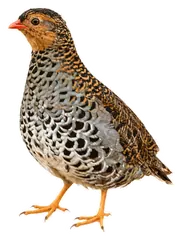 Udzungwa Forest PartridgeXenoperdix udzungwensis
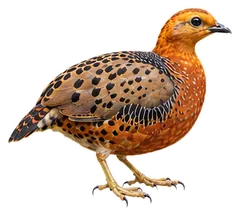 Ferruginous PartridgeCaloperdix oculeus
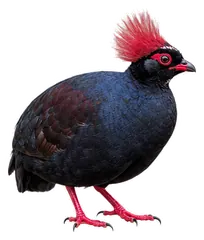 Crested PartridgeRollulus rouloul
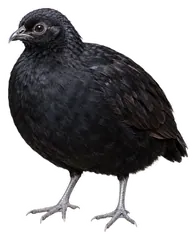 Black PartridgeMelanoperdix niger
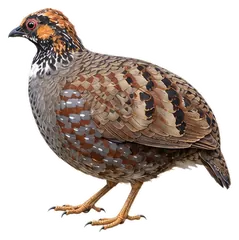 Hill PartridgeArborophila torqueola
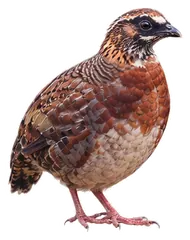 Sichuan PartridgeArborophila rufipectus
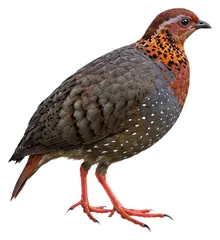 Chestnut-breasted PartridgeArborophila mandellii
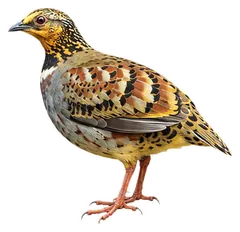 White-necklaced PartridgeArborophila gingica
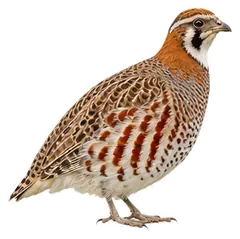
Download illustration
Free to use with credit: “Illustration: Bird Album (birdalbum.com)”. Drawn by AI from a reference photo by Fabrice Stoger. ↗

Heard it but can't see it? Mingji identifies birds by sound and photo, on your phone.