 Bird Album
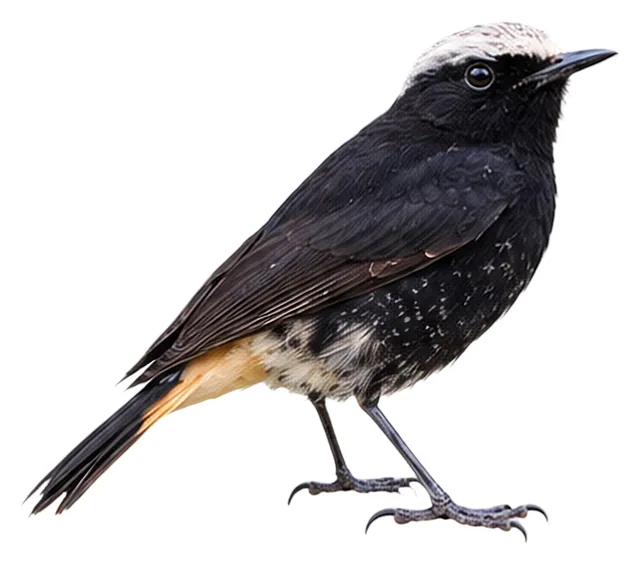
Abyssinian Wheatear
Oenanthe lugubris (Rüppell, 1837)
14 cmLength22 gWeight
The Abyssinian wheatear (Oenanthe lugubris), or Abyssinian black wheatear, is a species of bird in the family Muscicapidae, the Old World flycatchers and chats.
Busiest months: February, July and November · Most records: Tanzania, Kenya, Ethiopia
Where and when it's recorded

Abyssinian Wheatear has been recorded at 50 of the 8,276 birding hotspots we track, in 5 countries and regions.
Records by month Southern Hemisphere
Where it's recorded most
- Ngorongoro Conservation Area – Ngorongoro CraterTanzania355 records
- Lake Nakuru NPKenya192 records
- Aga Khan University – Loilenok Hills and FieldsTanzania74 records
More places
- Engikaret Lark PlainsTanzania72 records
- Engikaret Lark Plains – Acacia Scrub to SouthTanzania51 records
- Lake Langano – Simbo LodgeEthiopia47 records
- Melka GhebduEthiopia44 records
- Lake NaivashaKenya39 records
- Lake Manyara NPTanzania30 records
- Hatari Lodge & Hippo PoolTanzania29 records
Countries and regions with the most records
eBird records via GBIF up to 2024-12-31. A record means someone listed it; more records partly mean more birders, not more birds.
About
The Abyssinian wheatear (Oenanthe lugubris), or Abyssinian black wheatear, is a species of bird in the family Muscicapidae, the Old World flycatchers and chats. It is found from Ethiopia to southern Kenya and north-eastern Tanzania.
Excerpt from Wikipedia, CC BY-SA 4.0 · authors · Read more on Wikipedia
Questions
How big is the Abyssinian Wheatear?
The Abyssinian Wheatear is about 14 cm long and weighs around 22 g.
Where does the Abyssinian Wheatear live?
Its breeding range: Africa: eastern Africa. It is most often recorded in Tanzania, Kenya and Ethiopia.
When is the best time to see the Abyssinian Wheatear?
At the hotspots we track, it is recorded most in February, July and November (Southern Hemisphere).
Is the Abyssinian Wheatear endangered?
The IUCN Red List classifies the Abyssinian Wheatear as Least Concern.
What does the Abyssinian Wheatear eat?
Main food: Insects & other invertebrates.
What family is the Abyssinian Wheatear in?
It belongs to the family Chats, Old World Flycatchers (Muscicapidae), order Passerines (Passeriformes).
At a glance
- Length
- 14 cm
- Weight
- 22 g
- Habitat
- Rocky terrain
- Diet
- Insects & other invertebrates
- Lifestyle
- Perches in trees
- Migration
- Resident (barely migrates)
- Conservation
- Least Concern
More measurements
- Wing
- 80 mm
- Tail
- 56 mm
- Bill
- 17 mm
- Tarsus
- 23 mm
Averages from the AVONET dataset; length from field guides where available.
Range
Africa: eastern Africa
Breeding range, IOC World Bird List 15.2
Classification
- Order
- Passerines Passeriformes
- Family
- Chats, Old World Flycatchers Muscicapidae
- Genus
- Oenanthe
Other birds in the genus Oenanthe
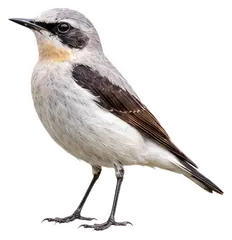 Northern WheatearOenanthe oenanthe
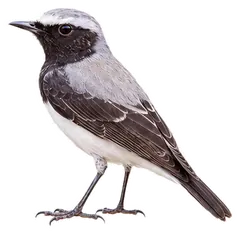 Atlas WheatearOenanthe seebohmi
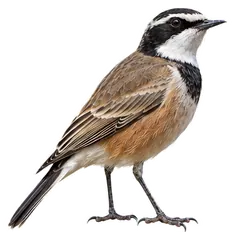 Capped WheatearOenanthe pileata
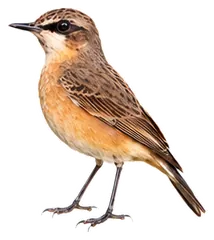 Buff-breasted WheatearOenanthe bottae
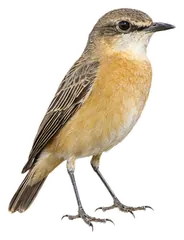 Rusty-breasted WheatearOenanthe frenata
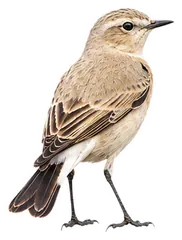 Isabelline WheatearOenanthe isabellina
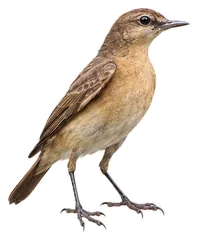 Heuglin's WheatearOenanthe heuglinii
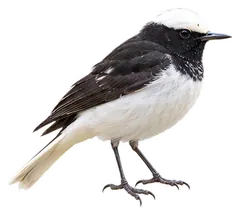 Hooded WheatearOenanthe monacha
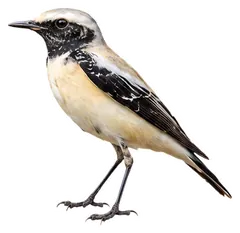 Desert WheatearOenanthe deserti
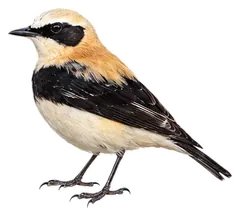 Western Black-eared WheatearOenanthe hispanica
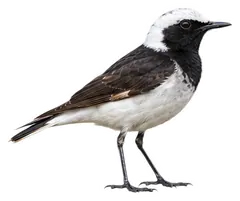 Pied WheatearOenanthe pleschanka
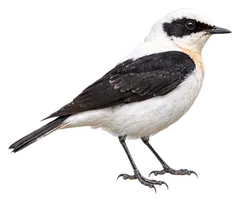 Eastern Black-eared WheatearOenanthe melanoleuca
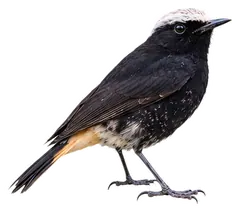
Download illustration
Free to use with credit: “Illustration: Bird Album (birdalbum.com)”. Drawn by AI from reference photos. ↗
Heard it but can't see it? Mingji identifies birds by sound and photo, on your phone.
In other languages
- EnglishAbyssinian Wheatear
- 简体中文东非悲䳭
- 繁體中文東非悲䳭
- 日本語チャガシラサバクヒタキ
- DeutschAbessiniensteinschmätzer
- FrançaisTraquet de Shalow
- EspañolCollalba de Shalow
- Portuguêschasco-da-abissínia
- ItalianoMonachella d'Abissinia
- NederlandsRüppells Tapuit
- РусскийЭфиопская каменка
- Svenskaetiopienstenskvätta
- DanskEritrea Stenpikker
- Polskibiałorzytka etiopska