 Bird Album
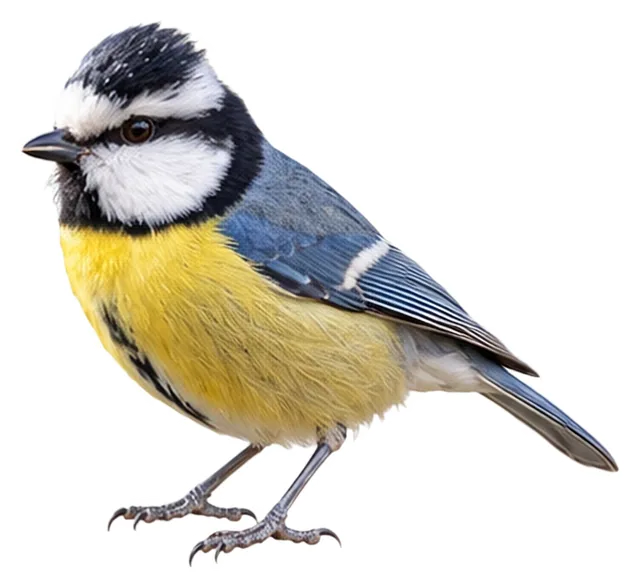
African Blue Tit
Cyanistes teneriffae (Lesson, RP, 1831)
10 gWeight
The African blue tit (Cyanistes teneriffae) is a species of bird in the family Paridae.
Busiest months: March–April · Most records: Morocco, Spain, Tunisia
Where and when it's recorded
Busiest months: March–April · Most records: Morocco, Spain, Tunisia

African Blue Tit has been recorded at 43 of the 8,276 birding hotspots we track, in 4 countries and regions.
Records by month Northern Hemisphere
Where it's recorded most
- Vallée d'OukaïmedenMorocco370 records
- Charca de MaspalomasSpain309 records
- PN Sidi BoughabaMorocco266 records
More places
- Marais du BouregregMorocco201 records
- Réserve Royale de Chasse de Ain SferjlaMorocco168 records
- Dayet AouaMorocco145 records
- Embouchure du Oued SoussMorocco77 records
- Ichkeul National ParkTunisia71 records
- Merja Zerga – domaine généralMorocco67 records
- Forêt de BouafrouneAlgeria45 records
Countries and regions with the most records
eBird records via GBIF up to 2024-12-31. A record means someone listed it; more records partly mean more birders, not more birds.
About
The African blue tit (Cyanistes teneriffae) is a species of bird in the family Paridae. It is found in northern Africa, Pantelleria (Italy) and the Canary Islands (Spain). Its natural habitat is temperate forests.
Excerpt from Wikipedia, CC BY-SA 4.0 · authors · Read more on Wikipedia
Questions
How big is the African Blue Tit?
The African Blue Tit weighs around 10 g.
Where does the African Blue Tit live?
Its breeding range: Africa: northern, Canary Islands (central Macaronesia, northwest of northern Africa). It is most often recorded in Morocco, Spain and Tunisia.
When is the best time to see the African Blue Tit?
At the hotspots we track, it is recorded most in March and April (Northern Hemisphere).
Is the African Blue Tit endangered?
The IUCN Red List classifies the African Blue Tit as Least Concern.
What does the African Blue Tit eat?
Main food: Omnivore.
What family is the African Blue Tit in?
It belongs to the family Tits, Chickadees (Paridae), order Passerines (Passeriformes).
At a glance
- Weight
- 10 g
- Habitat
- Forest
- Diet
- Omnivore
- Lifestyle
- Perches in trees
- Migration
- Resident (barely migrates)
- Conservation
- Least Concern
More measurements
- Wing
- 60 mm
- Tail
- 49 mm
- Bill
- 10 mm
- Tarsus
- 17 mm
Averages from the AVONET dataset; length from field guides where available.
Range
Africa: northern, Canary Islands (central Macaronesia, northwest of northern Africa)
Breeding range, IOC World Bird List 15.2
Classification
- Order
- Passerines Passeriformes
- Family
- Tits, Chickadees Paridae
- Genus
- Cyanistes
Other birds in the genus Cyanistes
 Eurasian Blue TitCyanistes caeruleus
 Azure TitCyanistes cyanus
 Fire-capped TitCephalopyrus flammiceps
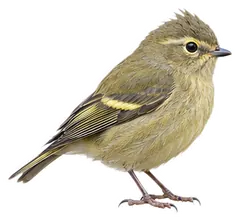 Yellow-browed TitSylviparus modestus
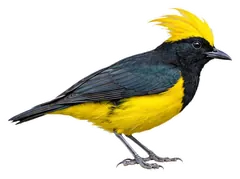 Sultan TitMelanochlora sultanea
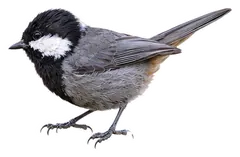 Rufous-naped TitPeriparus rufonuchalis
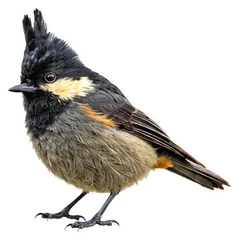 Rufous-vented TitPeriparus rubidiventris
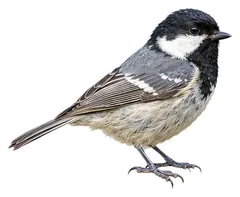 Coal TitPeriparus ater
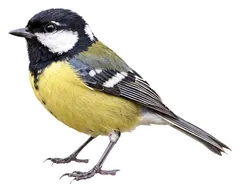 Yellow-bellied TitPeriparus venustulus
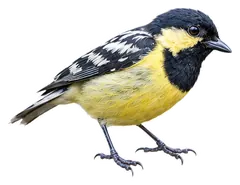 Elegant TitPeriparus elegans
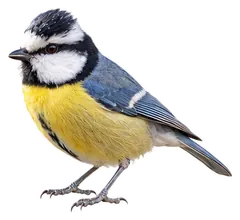
Download illustration
Free to use with credit: “Illustration: Bird Album (birdalbum.com)”. Drawn by AI from a reference photo by Carlo. ↗
Heard it but can't see it? Mingji identifies birds by sound and photo, on your phone.
In other languages
- EnglishAfrican Blue Tit
- 简体中文非洲青山雀
- 繁體中文非洲藍山雀
- 日本語テネリフェアオガラ
- DeutschKanarenmeise
- FrançaisMésange nord-africaine
- EspañolHerrerillo canario
- Portuguêschapim-azul-africano
- ItalianoCinciarella algerina
- NederlandsAfrikaanse Pimpelmees
- РусскийАфриканская лазоревка
- Svenskakoboltmes
- DanskKanarisk Blåmejse
- Polskimodraszka kanaryjska